Istanbul is one of the few cities in the world that lies in both Europe and Asia. This is more than a unique geographical feature, it's a defining part of the city's identity. Throughout history, the city was known as Byzantium and Constantinople and served as the capital of both the Byzantine and Ottoman empires. That's why Istanbul brings together so many different cultures, religions, and architectural styles. Today, this rich history is part of everyday life, where modern city living goes hand in hand with historic landmarks, Islamic traditions, and European influences. Istanbul is one of those cities that's hard to get to know properly in just one visit. Its size, energy, and diversity take time to appreciate, and that's exactly what makes it so special.
For travellers, Istanbul offers the perfect blend of cultural exploration and the experience of a truly global city. It's one of Europe's largest cities, where life moves at a fast pace and the streets are filled with people, shops, sounds, and the smell of freshly cooked food. Yet, within a few steps, you can find yourself in the peaceful courtyard of a mosque or by the waters of the Bosphorus.
Istanbul's historic centre, Sultanahmet, is the city's most famous and most visited area, with many of its most important landmarks located within a relatively small area.
Hagia Sophia is one of the world's most magnificent buildings. Originally built as a church, it was later turned into a mosque and is now once again an active place of worship that reflects the city's rich and complex history. Inside, you'll see Byzantine mosaics alongside Islamic artwork, which give you a real sense of the city's different historical periods.
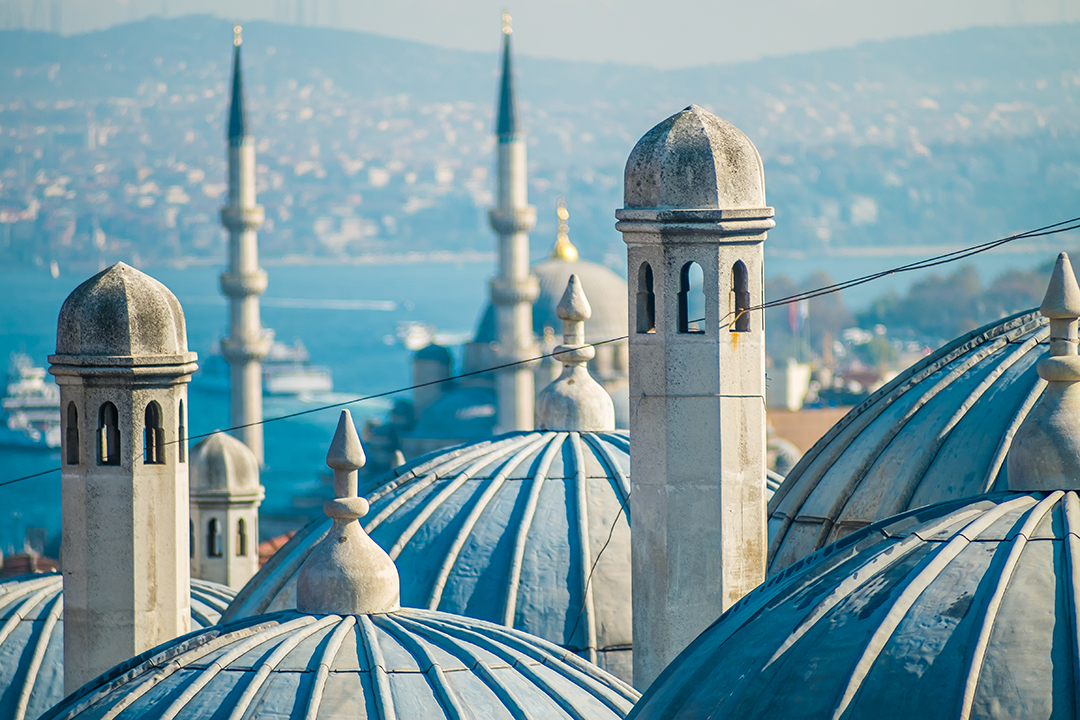
Right next to it stands the Blue Mosque, famous for its six minarets and interior decorated with beautiful blue ceramic tiles. Despite its popularity with visitors, it is still an active mosque, so visiting hours are arranged around the daily prayer times.
Topkapi Palace was once home to the Ottoman sultans and gives you a glimpse into their lives and the history of the empire. The views over the Bosphorus also make it easy to see why the city has always been so important. For more than 400 years, it was the political heart of the Ottoman Empire, and over 30 sultans ruled from the palace during that time.
You can easily explore this area on foot. Because it gets very busy, it's best to visit early in the morning or later in the afternoon when the crowds are smaller. Joining a guided tour is another good option if you want to make the most of your time. Sultanahmet is the perfect place to start your visit to Istanbul, with centuries of history all in one area.
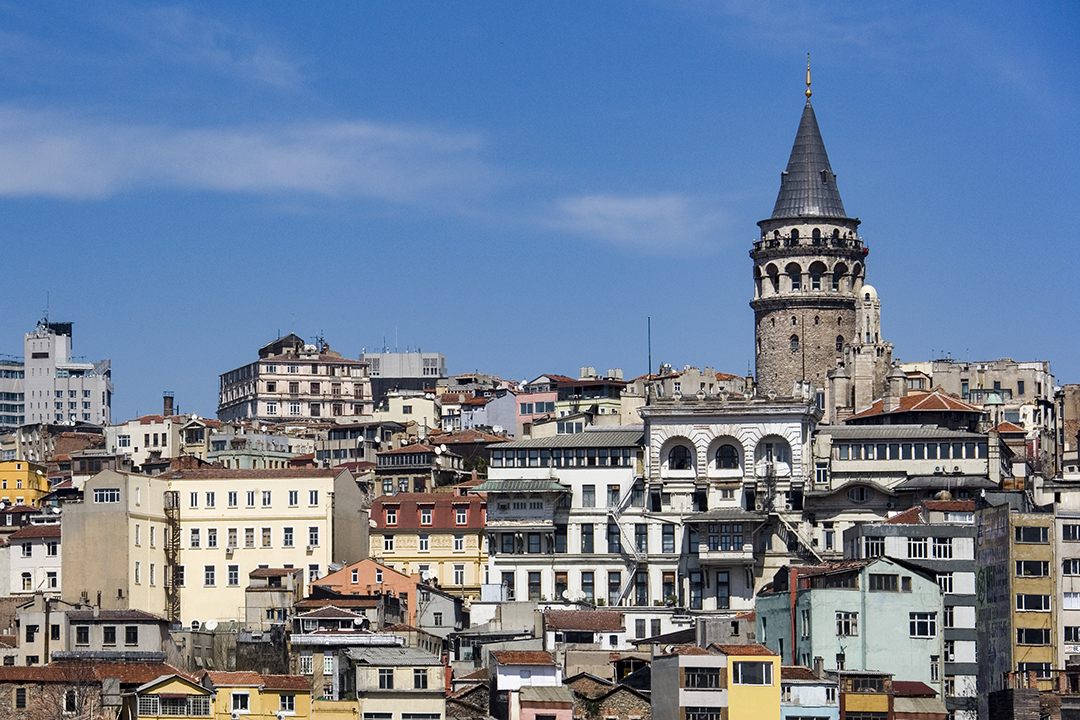
One of the things Istanbul is best known for is its bazaars. They're not just popular tourist attractions, but also an important part of everyday life in the city. The Grand Bazaar is one of the world's oldest and largest covered markets, with thousands of shops selling everything from carpets and jewellery to spices and textiles. It has been welcoming shoppers since the 15th century, and its long trading tradition is still alive today. Bargaining is part of the culture here, so the first price you're offered usually isn't the final one.
The Spice Bazaar is another place that's well worth a visit, where you'll find spices, teas, Turkish sweets, and plenty of other local products. It's smaller and easier to get around than the Grand Bazaar, but it's still a great place to get a taste of the local flavours and see what locals buy on a daily basis.
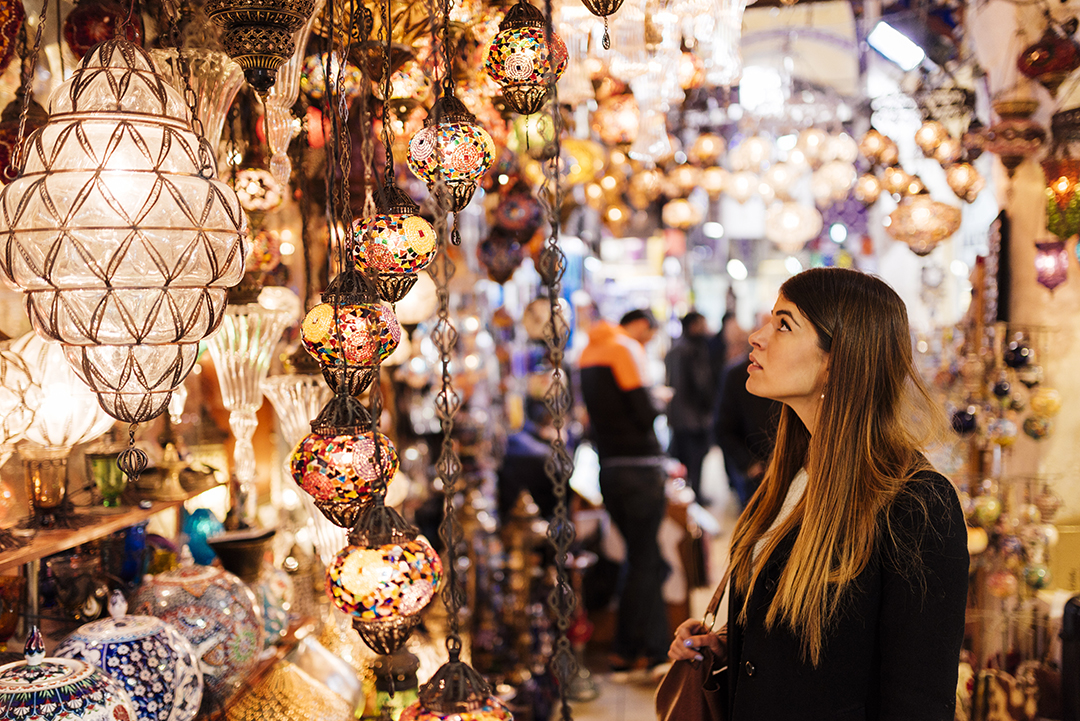
The bazaars also spread into the surrounding streets, where shops and market stalls are part of everyday life. It's a lively area, and not one that's there just for tourists.
The Bosphorus is the waterway that separates Europe and Asia while linking the Black Sea with the Sea of Marmara. It's one of the main reasons Istanbul has played such an important role throughout history, and it's also what makes the city so beautiful. One of the best ways to experience the city is by taking a ferry, which gives you a completely different view of its palaces, mosques, bridges, and neighbourhoods.
The ferries aren't just for tourists. They're part of the city's public transport system, so they're affordable and a great way to get around. The bridges across the Bosphorus were added fairly recently. The first one wasn't built until 1973, which meant ferries were the only way to cross the strait for many years. The journey between the European and Asian sides is short, but in just a few minutes you'll find yourself in a part of the city with a completely different atmosphere.
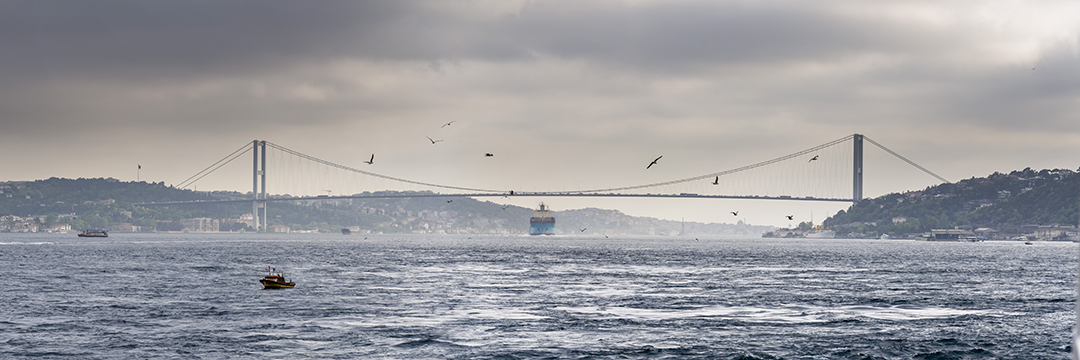
Along the Bosphorus, you'll also come across some of the city's prettiest neighbourhoods, with wooden houses, waterfront restaurants, and lovely views of the bridges, especially in the evening when they're lit up.
The European side of Istanbul is home to most of the famous landmarks, museums, and tourist attractions, while the Asian side feels more local, with fewer visitors and a slower pace of life. Neighbourhoods like Kadıköy and Üsküdar are popular with locals, thanks to their restaurants, cafés, markets, and their overall authentic feel.
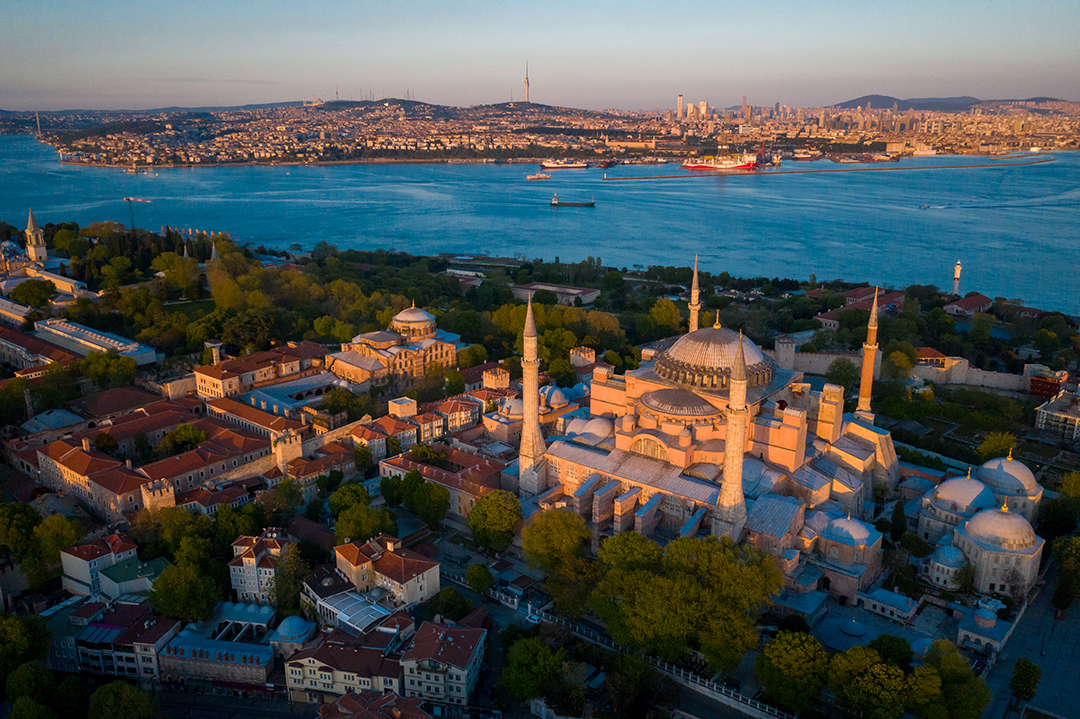
The difference between the European and Asian sides isn't just in geography. The European side is home to most of the main sights, and it's usually much busier with traffic and tourists. The Asian side feels more local, with fewer crowds and a better glimpse of everyday life. That's exactly why it's worth visiting both, as each side shows you a different side of the same city.
Turkish cuisine is one of the most diverse in Europe, with influences from the Middle East, the Mediterranean, and the Balkans. Street food is a big part of everyday life, with favourites like kebabs, simit, baklava, and fish sandwiches. At the same time, the city is full of traditional restaurants where you can try dishes made from recipes that have been passed down for centuries.
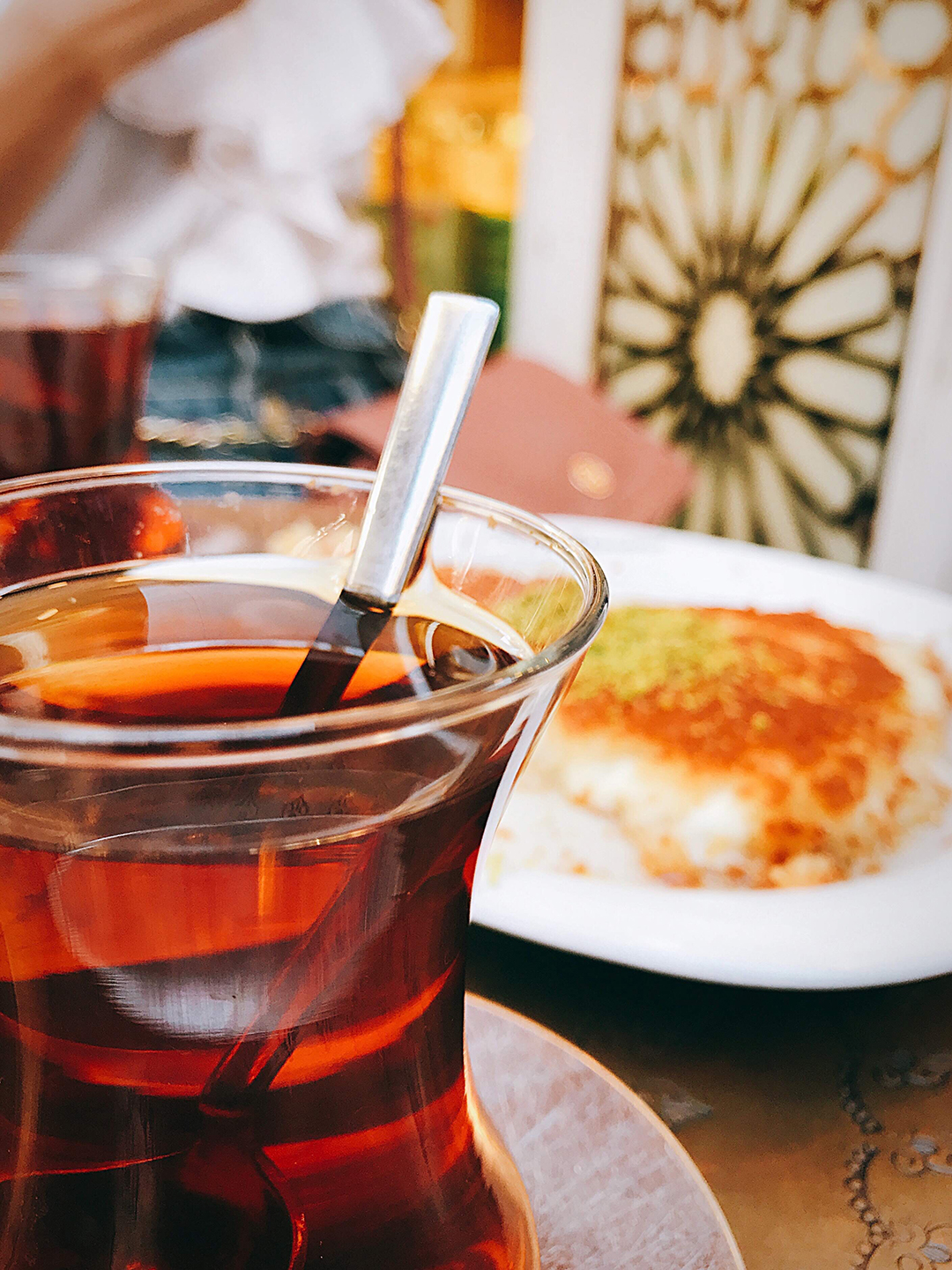
Tea and coffee are also a big part of everyday life in Istanbul. Turkish tea is enjoyed throughout the day and is an important part of social life, while Turkish coffee is something people tend to savour more slowly as part of a long-standing tradition. Desserts like baklava are rich and sweet, so they're usually served in small portions.
Food is generally cheaper than in Western Europe, but the quality can vary, so it's worth choosing places with good reviews or restaurants that are popular with locals.
Istanbul is a huge city, so you'll almost certainly need to use public transport to get around. The metro, trams, buses, and ferries connect most of the city's main areas. The easiest way to use them is with an Istanbulkart, which works across the entire public transport network.
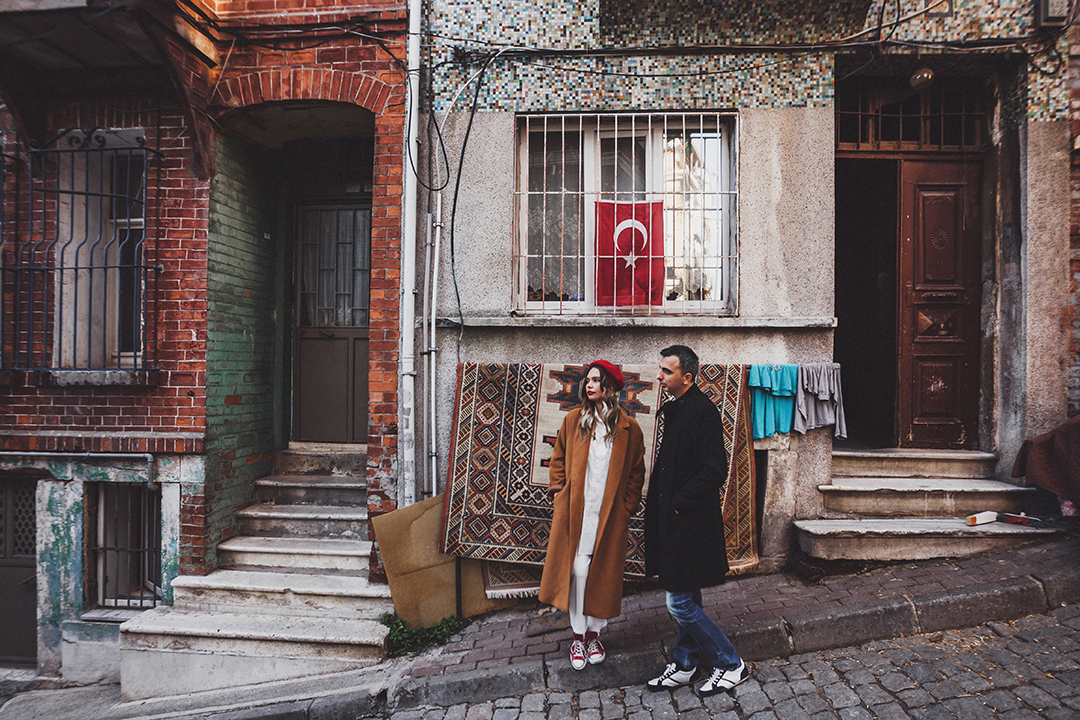
Traffic in Istanbul can be heavy, so driving might not be the best option for most travellers. Walking is a great way to explore shorter distances, but keep in mind that the city is quite hilly and some areas are farther apart than they look. Planning your journeys in advance makes a big difference, as Istanbul is much easier to enjoy once you get used to the way the city moves.
Istanbul isn't the kind of city you can tick off in a day or two. It's huge, spread out, and incredibly diverse. Most of the main sights are on the European side, but as soon as you head to other parts of the city, you'll find a very different side of Istanbul, with fewer tourists and more local life. That's why it's worth planning your visit by area and leaving a bit of flexibility in your schedule, as the distances are greater than they seem and traffic often slows everything down.
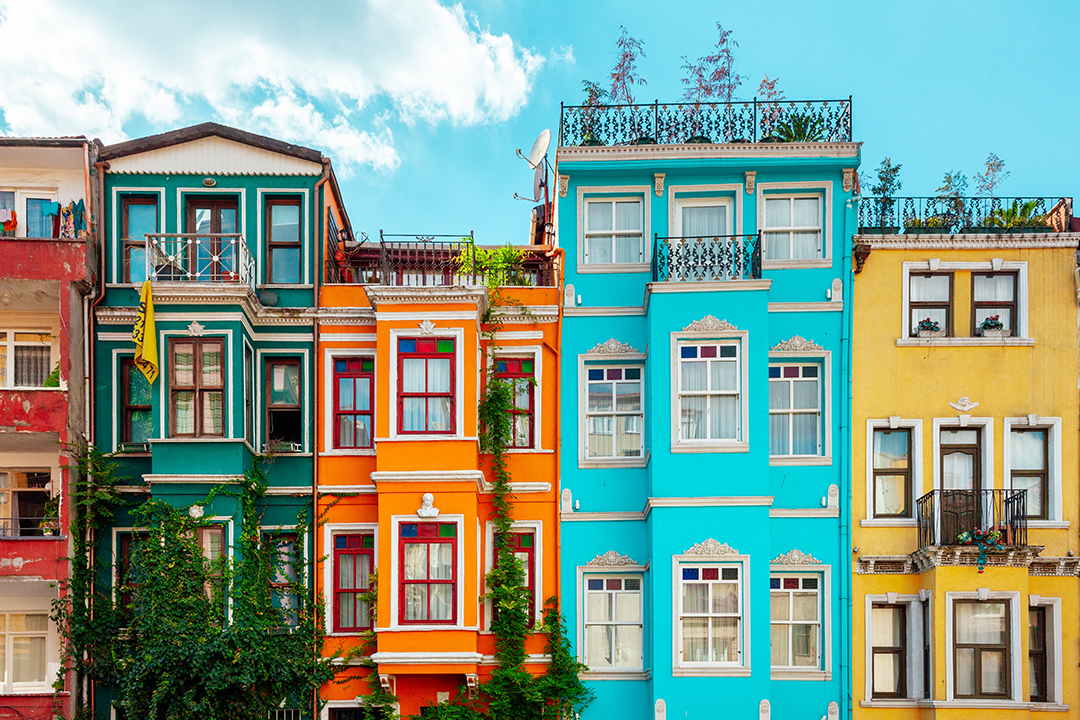
Istanbul brings together incredible history, fantastic food, and a lively city feel. It isn't the easiest destination, but if you enjoy big, vibrant cities, it has a lot to offer. Because of its size and the many different neighbourhoods, Istanbul is a city you'll want to come back to. One visit is rarely enough to see it all, and that's exactly what makes it one of Europe's most rewarding city destinations.

Copyright (©) 2010 - 2026 Youth Hostel | Our Privacy Policy | Cookies | | RPC