Kraków is Poland’s second largest city that has been one of the most popular destinations in Europe for decades. Since its main sights are all near each other, the best way to experience the city is on foot. The old town is traffic-free, so walking through the narrow streets and across the cobbled square is the perfect way to feel the city’s atmosphere.

The first time you visit you quickly realise that Kraków offers a lot to see. The very first walk across Rynek Główny shows you the stunning architecture, lively cafés, and the sense that the city never slows down. The best time to visit is spring or autumn, when the weather is pleasant, prices are a bit lower, and the streets are not as crowded as in summer. Getting there is quite easy, with the airport just a 30-minute drive away and good flight connections from many European cities. The city also has a good bus and tram network. It is considered one of the safest destinations in the region, where visitors can continue exploring without worrying even late into the evening.
A walk through Kraków's Old Town is best described as a journey through time. The city square of Rynek Główny, one of the largest medieval squares in Europe, has been considered the central scene of city life for centuries. Kraków is full of grand townhouses, cafés, and restaurants. At its heart stands the famous Sukiennica, the Renaissance market where they used to trade in cloth. Today, local vendors sell souvenirs, handmade crafts, and local treats there. On the north side of the square is St Mary’s Basilica, easy to spot with its two mismatched towers. Every hour, a trumpet sound comes from the tower playing the Hejnał, a traditional tune that suddenly cuts off. It is a tribute to a 13th-century watchman who was shot while warning the city of a Tatar attack.
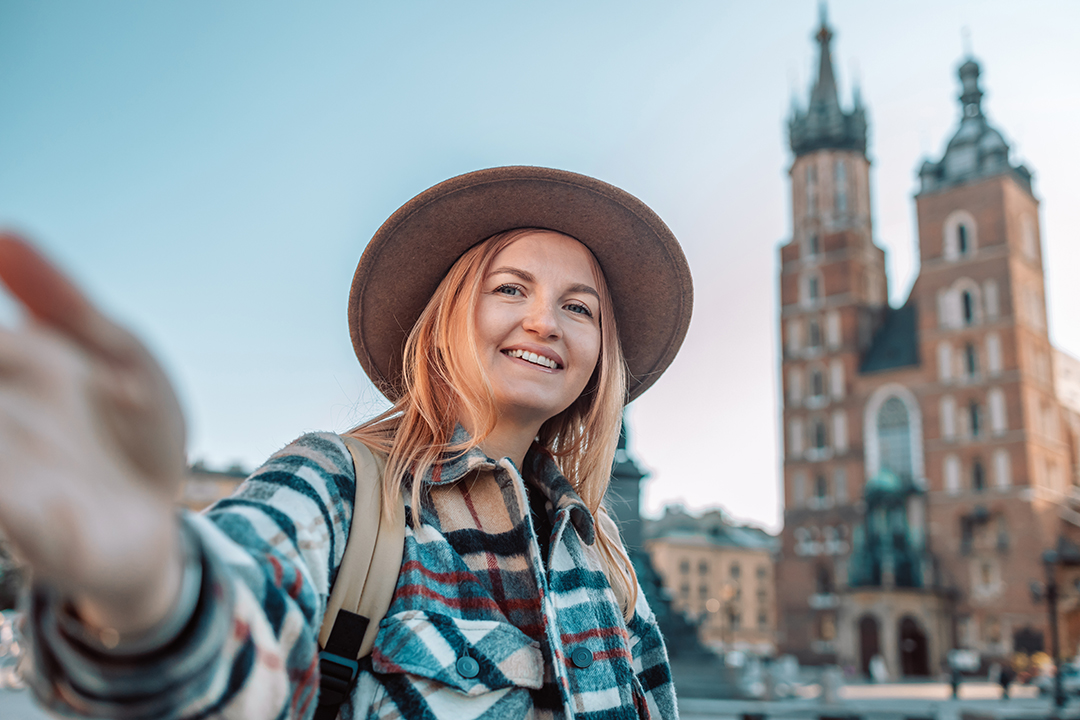
A walk along the cobbled streets of the old town can reveal more than just beautiful architecture. This area is full of bookshops, galleries, and hidden courtyard restaurants that are just waiting to be explored. The city is also full of cosy cafés where you can try traditional Polish dishes, like sernik, a cheesecake, or makowiec, a poppy seed roll.
You can visit Kraków in any season. In spring, the streets come alive with buskers and outdoor cafés, in summer, the main square turns into a stage for festivals, in autumn, the falling leaves create a wonderfully romantic backdrop, and in winter, the old town transforms into a fairytale setting for the Christmas market. It is this very variety that makes Kraków’s old town perfect at any time of year and endlessly worth returning to.
Wawel Castle is one of the most important landmarks in Kraków and in all of Poland. Perched on a hill above the Vistula River, it has served for centuries as a royal residence and a centre of political power. Polish kings and queens were crowned there, and at the same time, the castle became an important symbol of the nation’s identity and culture.
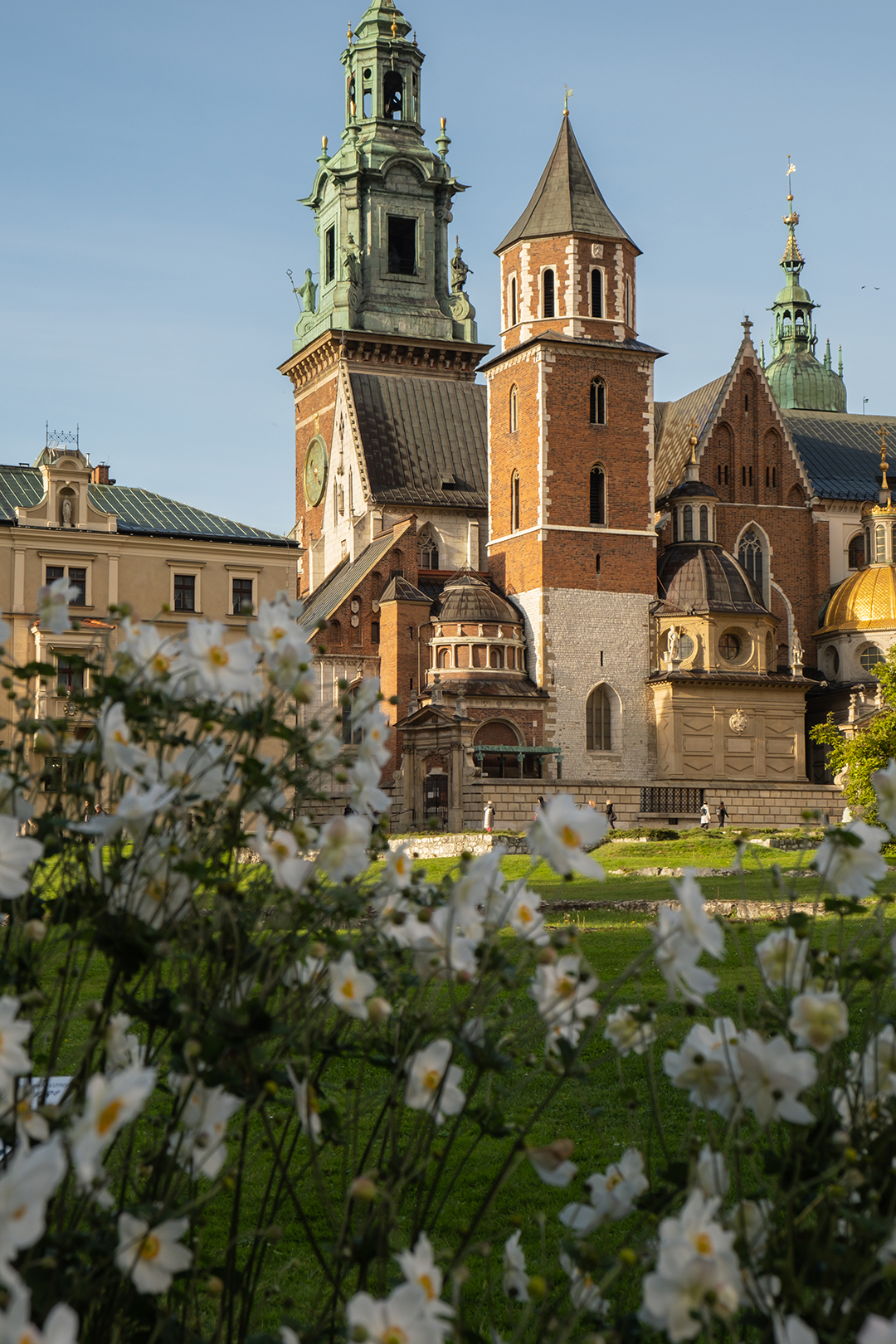
Today, Wawel is one of Kraków’s most visited attractions. When you walk through its lavish halls and cathedrals, you can see the city's influence on European medieval development. Especially beautiful is the Wawel Royal Cathedral of St. Stanislaus and St. Wenceslaus, where many monarchs and national heroes are buried. Besides its historical significance, the castle also has impressive architecture, with Gothic, Renaissance, and Baroque elements that come together in a truly unique way.
It is best to take at least half a day to visit the castle, since you can also visit museums, art collections and the treasury. In the summer, the visit is even more special, as the hill offers a beautiful view of the river and the city. Legend has it that in the caves beneath Wawel once lived the dragon Smok Wawelski, who was outwitted by a clever young hero, whose statue today is one of the city’s most beloved symbols. For families, visiting the statue is a great spot where children can eagerly listen to old tales while adults can enjoy Wawel’s historic atmosphere.
Kazimierz, now a lively and creative district of Kraków, was once the heart of Jewish life in Poland. In the 15th century, Jews settled here and built a thriving community that flourished for centuries. Synagogues, schools, cultural centres and markets were once at the heart of daily life, until the 20th century and the tragedies of the Second World War left lasting scars. Today, Kazimierz has come back to life and turned into one of the city’s most fascinating districts, where history and contemporary art exist side by side.
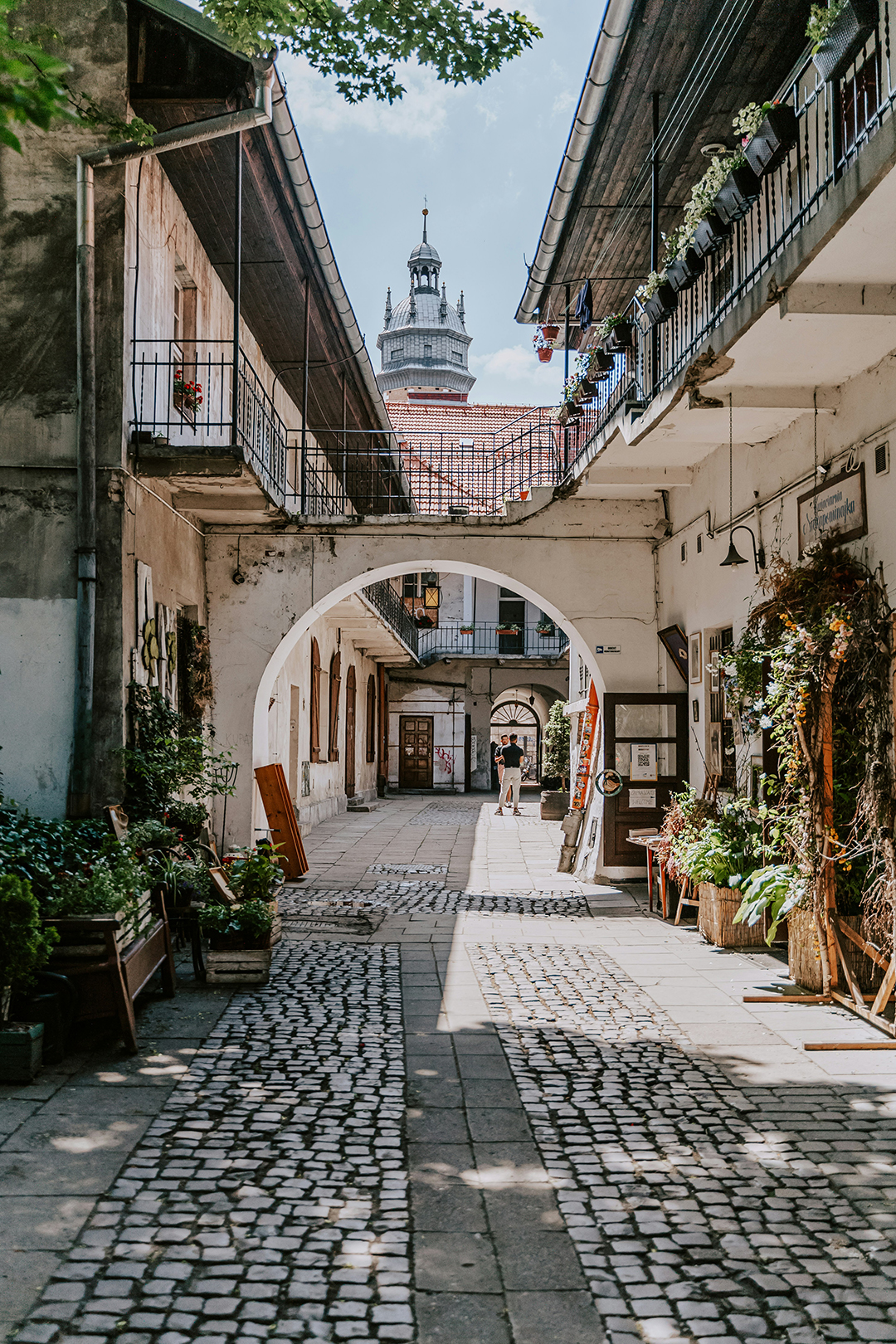
You can explore renovated buildings, like the old synagogue, now a museum, or walk down Szeroka Street, which was once the heart of the community and is an important part of history. Today the neighbourhood is full of art galleries, creative cafés, music venues, and restaurants that serve traditional Jewish dishes as a symbol of once-exiled residents.
I recommend you visit Kazimierz both during the day and in the evening. By day, you can explore the cultural landmarks, and by night the district turns into a lively gathering spot with a relaxed atmosphere. Fans will also recognise locations from Spielberg’s Schindler’s List, which was partly filmed right on this spot. Kazimierz is a place of memory, but also of life, creativity and inspiration, a district that shows how history and modern life can come together in perfect harmony.
One of the culturally most significant spots when you visit Kraków is a tour of the former Schindler's Factory, which now operates as a Museum. Oskar Schindler, a German industrialist, employed over a thousand Jews during the Second World War, saving them from almost certain death in the concentration camps. His story became known worldwide thanks to Spielberg’s film, but the true impact of his actions can only be felt by visiting the place itself. The museum offers a moving exhibition on Jewish life in occupied Kraków, showing the harsh conditions and the ways people struggled to survive under nearly impossible circumstances.
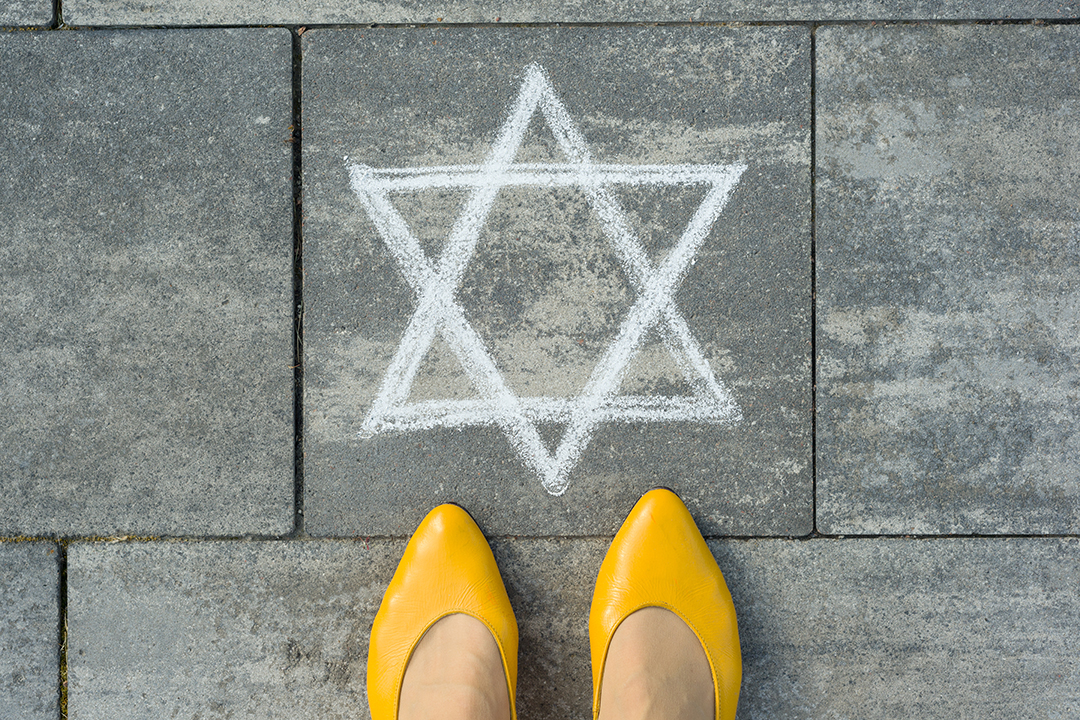
Plan on spending a couple of hours there, as the museum covers not just Schindler’s story, but the wider experience of life in Kraków during the war. Interactive exhibits, photographs, personal belongings and eyewitness accounts create a powerful, emotional experience that encourages visitors to reflect on the meaning of humanity in the darkest of times. A visit to the factory is worth it even for those who do not usually go to museums, as it offers a deeply personal experience that highlights the unpredictable nature of humanity.
The museum is just a few minutes’ walk from Kazimierz, making it easy to fit into a day of exploring the city. It is a good idea to book tickets in advance, as the museum is very popular and queues can be long, though they can, of course, be skipped. Schindler’s Factory is not just a monument to the past, but a universal reminder that the horrors of history must never be repeated.
Even though Kraków is packed with history, visitors soon see it is also a lively, modern city with plenty to enjoy today. Even just walking through the streets of the old town, you will find plenty of bars, pubs and restaurants serving both traditional Polish dishes and modern cuisine, with famous pierogi, and also bigos, a hearty hunter’s stew, or oscypek – all flavours you do not want to miss. In the evenings, the streets and squares come alive with social buzz, where music and laughter carry on late into the night.
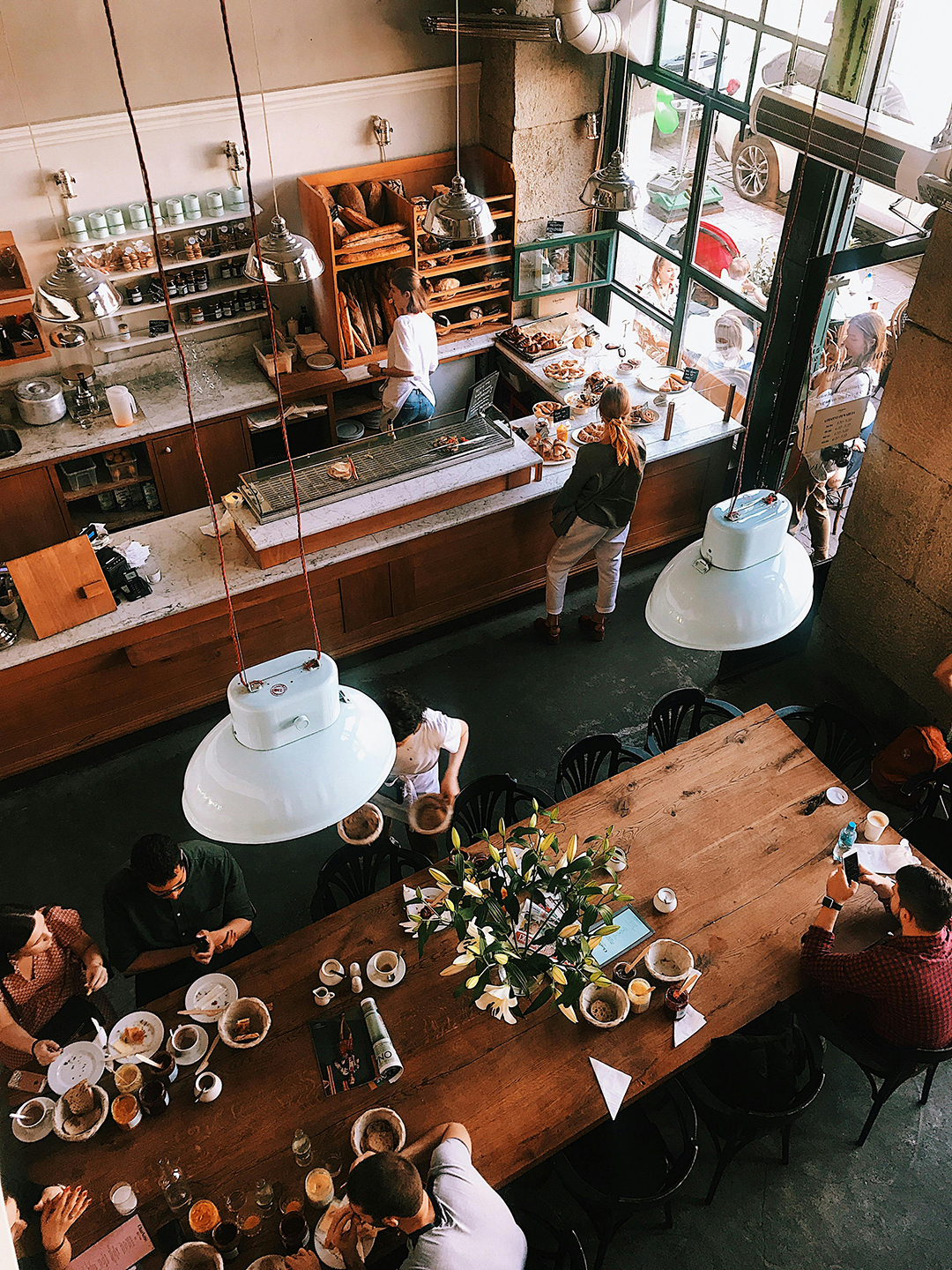
Kraków is also one of Europe’s student hubs, home to the prestigious Jagiellonian University, one of the oldest in the world, founded back in 1364. The youthful energy spills into the city’s cultural life, with festivals, art exhibitions, concerts and street performances giving Kraków a unique vibe. Two of the city’s favourite events are the Jewish Culture Festival and the Off Camera film festival, both of which attract big crowds every year.
For travellers looking for nightlife, the best area is around Szewska Street with a range of clubs and bars for every taste, from jazz to modern electronic. If you are looking for a more relaxed vibe, there are plenty of pubs that offer local beer. Kraków is a city that knows how to maintain a balance between its historical weight and modern lightness, so it offers something to everyone.
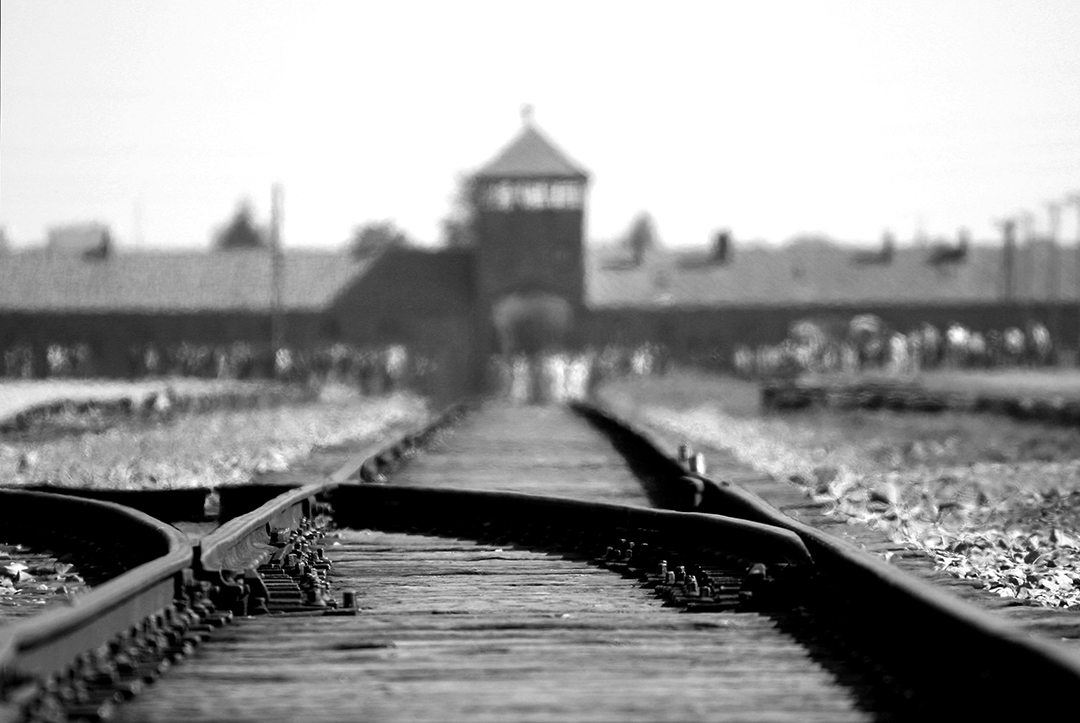
While the city itself has plenty to see, Kraków is also a great base for exploring the surrounding area. The most well-known and also most moving is a visit to the Auschwitz-Birkenau memorial site, about an hour’s drive from the city. It is an experience that is hard to put into words if you do not experience it for yourself. For many travellers it is an important visit because it helps them understand the horrors of the Second World War and why remembering it matters.
On the other hand, the area around Kraków is also full of natural and cultural wonders. The Wieliczka Salt Mine, a UNESCO World Heritage site, is one of the oldest mines in the world and an underground natural wonder, where visitors can walk through halls, chapels and tunnels, all carved from salt. A trip to Wieliczka is also great for families, because it is a unique experience for both adults and children.
For those who enjoy the outdoors, the Tatra Mountains are just a few hours’ drive from Kraków and attract hikers in summer and skiers in winter. The most popular spot in the region is Zakopane, known for its wooden houses, traditional food and stunning mountain views. Visiting Kraków and its surroundings gives you the chance to experience the full range of Polish culture, history and landscapes, from the darkest chapters of human history to the breathtaking beauty of the natural world worth preserving.
Kraków is a place where mighty history meets youthful energy, where the streets are full of music, art and delicious food, yet there is also the quiet of memory and respect for the past. People who visit often say that they came with no expectations but left with a feeling that they found a place that could not be forgotten.
The city is worth visiting at any time, from summer evenings in the Rynek to snowy winter walks along the Vistula. It is also easy to get around and affordable, making it appealing to students, young travellers and anyone looking for an authentic European experience. It is this balance of simplicity and depth that makes many people choose to return to Kraków again and again.
If you want to read a little more about this unforgettable city, we highly recommend the Lonely Planet edition on Kraków, which offers expert advice you do not want to miss.

Copyright (©) 2010 - 2026 Youth Hostel | Our Privacy Policy | Cookies | | RPC