A desire to explore places where tourism is only beginning to awaken, and a search for the increasingly elusive sense of authenticity while travelling, took us to Albania in September, a raw corner of the western Balkans now moving through a period of growing tourist development. The direction in which the country is shaping, and where this path may lead, is becoming an increasingly important topic of discussion. The key question lies in what their tourism is built on, and in the distinctive features, elements of identity, and of course the secrets of this wild land and its people, who are said to be descendants of the Illyrians, although this is not the only possible theory. All these questions are, for the first time in history, being asked by curious visitors on a broader scale.
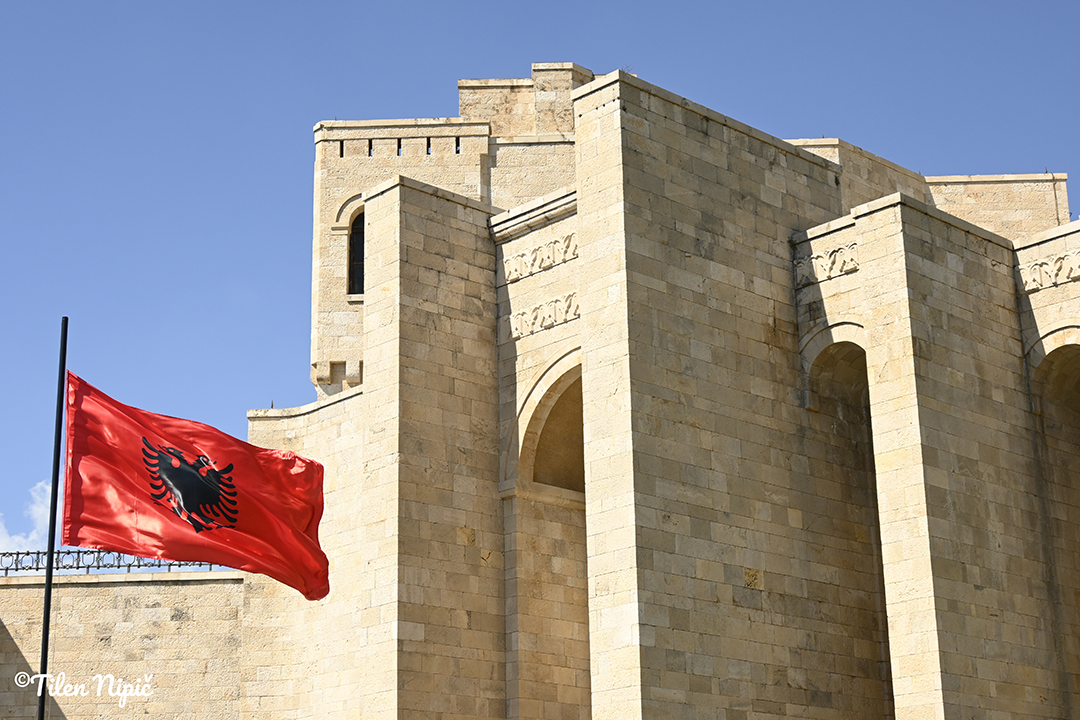
On a trip through Albania, it is impossible to miss the many images of the mighty double-headed eagle that adorns the national flag – in Tirana, it even appears in place of the pedestrian figure on traffic lights. Interestingly, Albanians do not call their country Albania, but Shqipëria, which translates as the land of the eagle. The name Albania is said to have been used to make correspondence with the Pope easier.
A stereotypical symbol of the country is also the Mercedes brand of vehicles. According to some sources, six out of ten cars in Albania are of this brand. The residents began buying them, initially second-hand, to emulate the king and later the dictator, both of whom were fans of this car.
Albania, once a land within the Ottoman Empire, declared its independence in 1912. Between 1944 and 1990, it was under the rule of a communist leader. During this period, it first aligned itself with the Soviet Union and later with the People’s Republic of China.
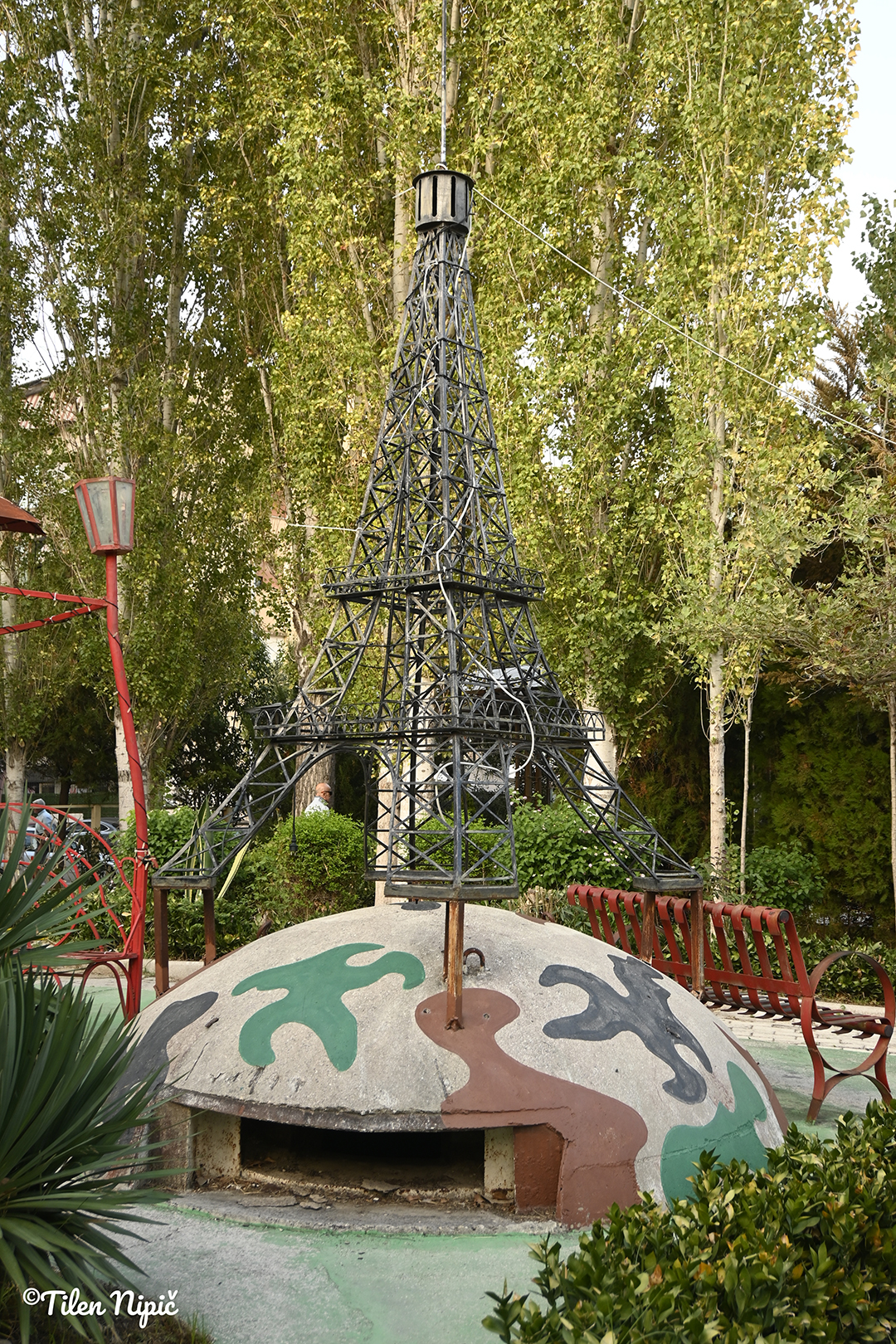
In the final years of the regime, the country was strictly isolated, full of military armaments and infrastructure. A typical example is the bunkers, of which there are, according to various sources, between 150,000 and 200,000 across the country, reportedly the most in any country in the world. To this day, they have not been removed but have been transformed into homes and tourist accommodations. They also remain part of parks, playgrounds, and museums, as well as storage spaces and decorative features above the deep blue and turquoise Albanian sea.
We began our journey in the capital Tirana. The city is expanding rapidly, and traffic there feels like a real odyssey. Interesting architectural styles sit side by side: old, crumbling buildings, communist-era projects, and modern structures. The hotels and upscale residential towers rise high above the Tirana skyline.
The city centre is home to the large Skanderbeg Square with its monument. The clock tower, once the tallest building in the city, now sits mostly hidden among other structures. The Et'hem Bey Mosque, the National History Museum, and the opera and ballet theatre are all nearby. The area is surrounded by a growing number of hotels and tourist facilities. In a way, it feels foreign, yet at the same time it reflects the growing flow of visitors to the economic heart of Albania. A similar example is the new football stadium Air Albania or Arena Kombëtare, part of which is also a luxury chain hotel. Of course, the glamour does not always bring the development of sustainable tourism. Instead, it often increases a kind of “divide” between visitors and the local population.
Besides admiring the tall, unusually shaped buildings, we recommend visiting the Namazgah Mosque, probably the largest on the Balkan Peninsula, and the Bunkart Museum 1 or 2 in the city centre. Another interesting historical spot to visit is the House of Leaves Museum, also known as the Museum of Secret Surveillance. Photography is not allowed, and the rooms, besides the artefacts, may still contain working eavesdropping devices, so it is best to stay quiet.
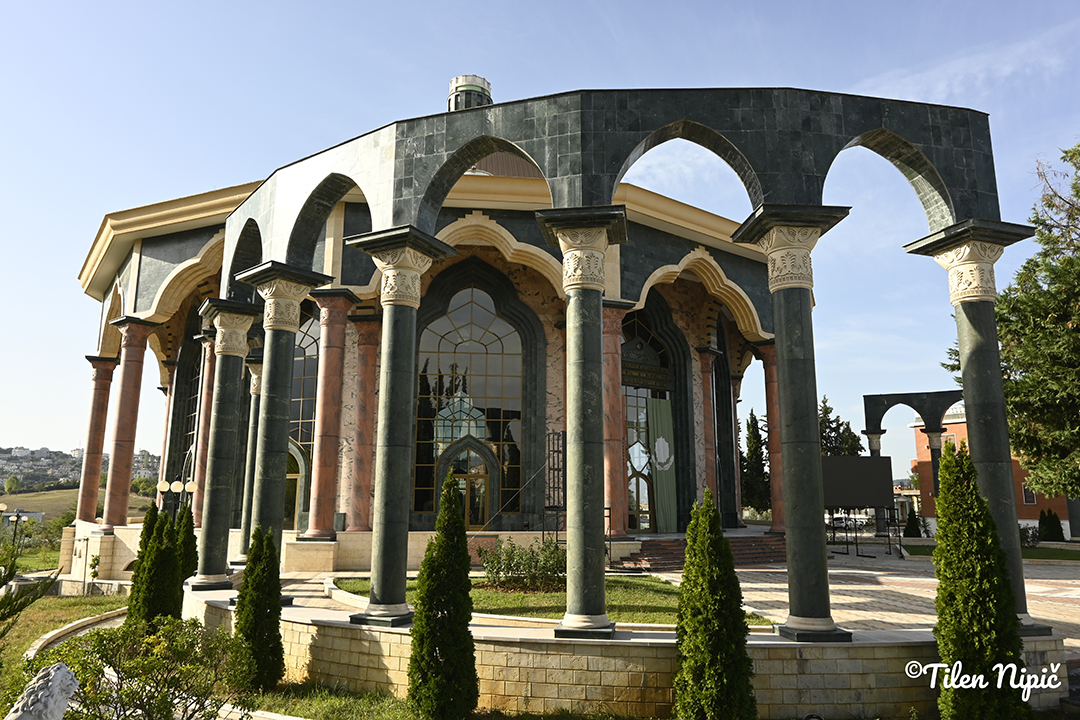
During our visit to the capital, we also went to the world headquarters of the (advanced) Bektashi Islamic brotherhood in the eastern part of Tirana. At the entrance to the centre, we were given a very warm welcome. The hospitality felt genuine and sincere. Our interest alone was enough to be allowed inside. They were delighted to see two young visitors so early in the morning, both full of at least a dozen questions.
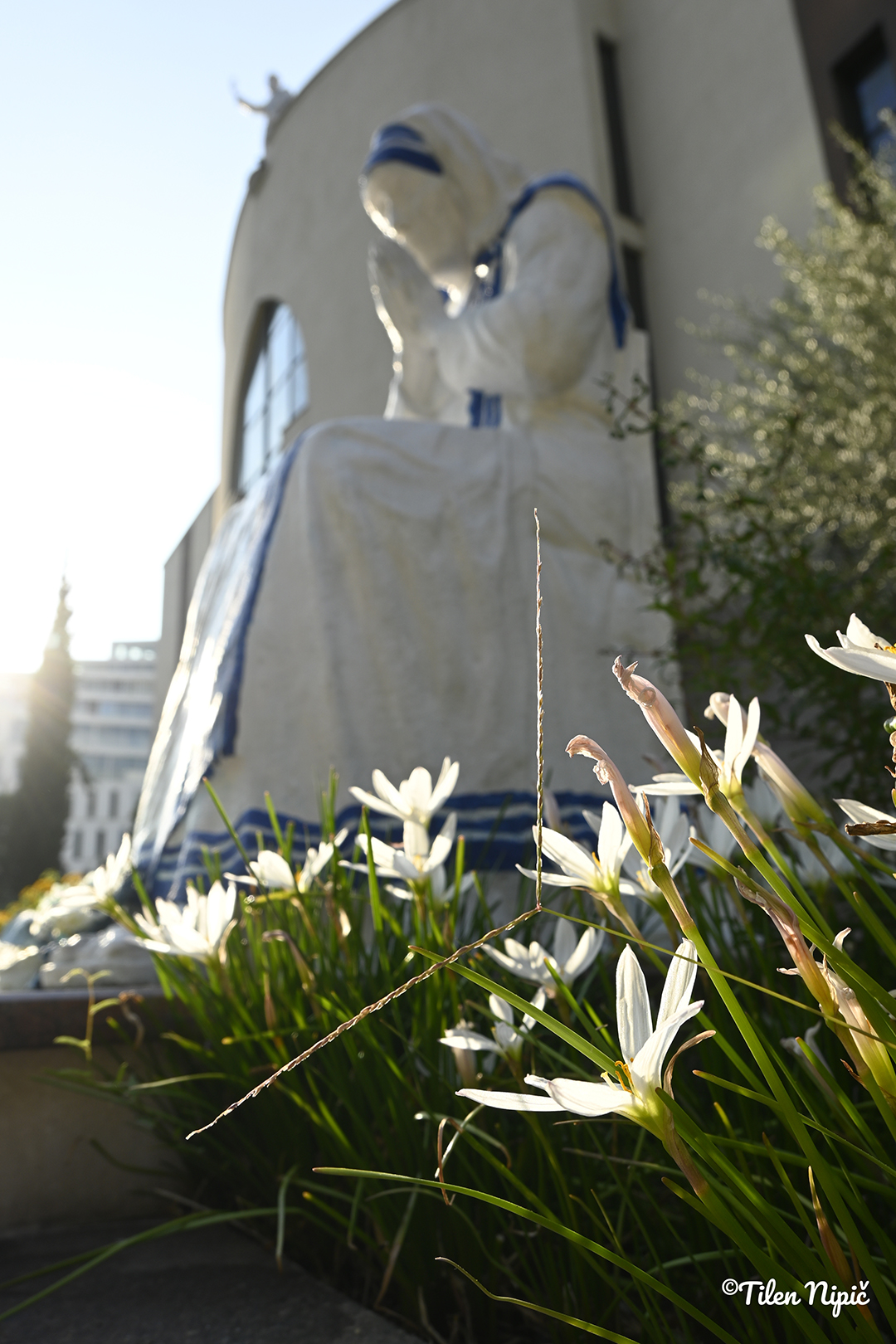
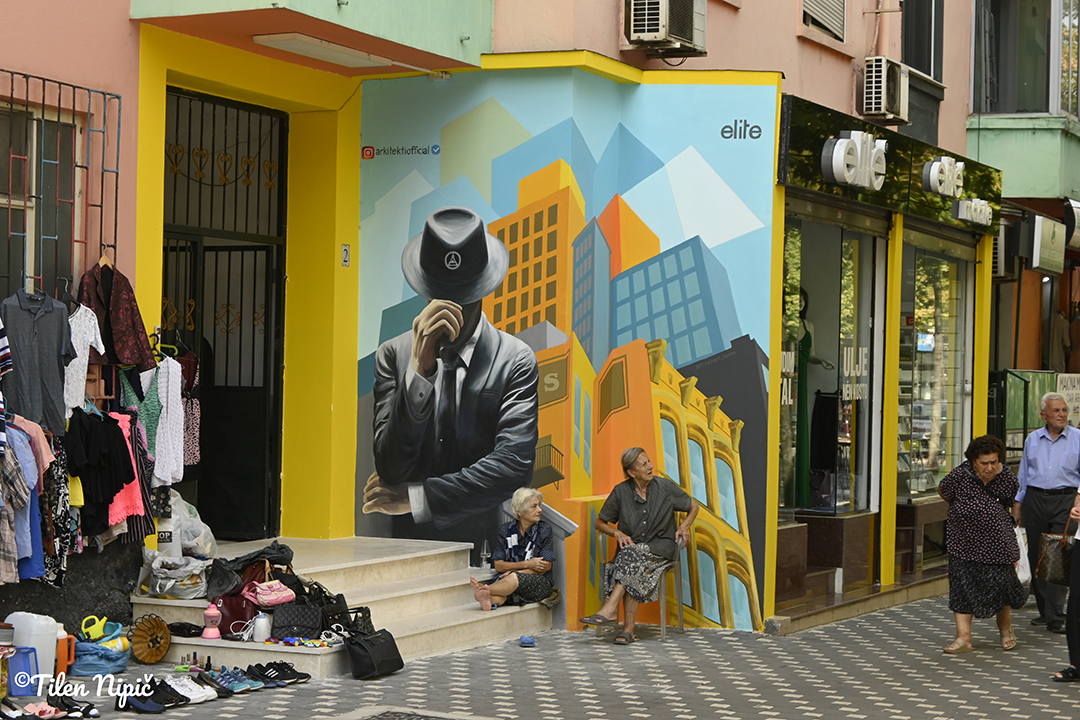
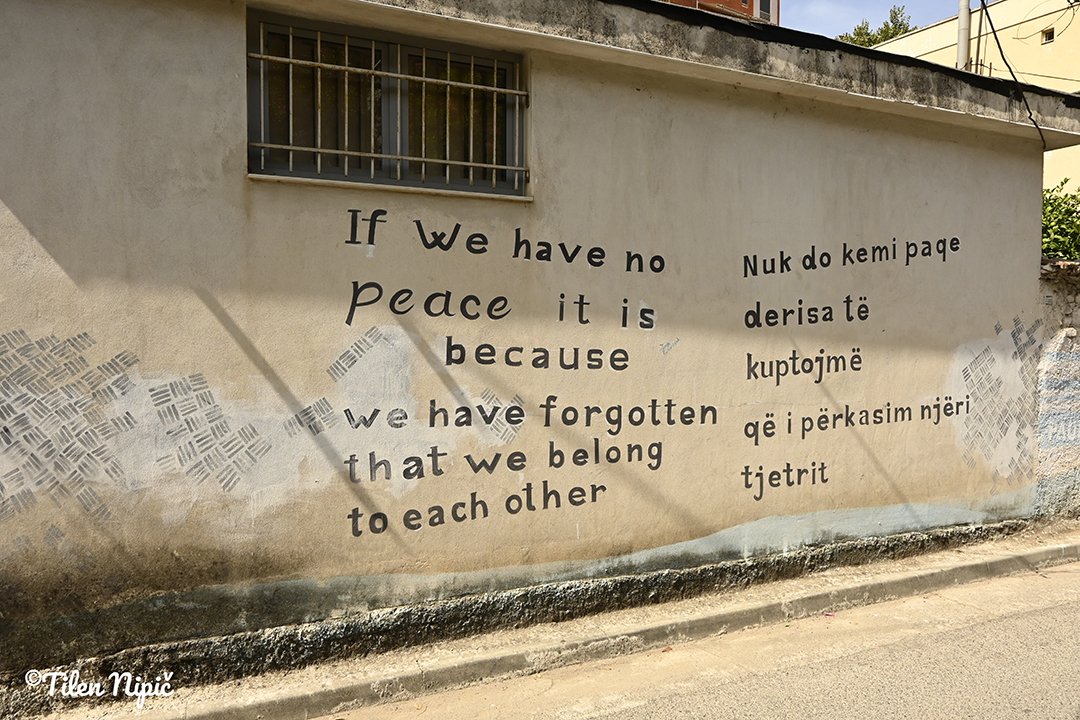
Finally, Tirana is also interesting for street art lovers, as it is full of murals, whose locations can also be found online – the search is sometimes complicated by the fact that the city is rapidly rebuilding, so one of the murals quickly disappears. Around the city, you can also find traces of Saint and Nobel Prize winner Mother Teresa, the famous Albanian humanitarian.
The main economic hub of Albania is the motorway linking the capital, Tirana, with the coastal city of Durrës, which is the second largest city in the country and also its most important port. The city is also famous for one of the largest Roman amphitheatres on the Balkan Peninsula, which could hold up to 20,000 spectators in its heyday. The amphitheatre once hosted gladiators. Later, the site was used for trade, and a residential neighbourhood was built among its ruins. Today, it is considered an endangered cultural heritage site, and the local authorities are removing buildings from the area.
Among Durrës’s points of interest is the royal villa, a former summer residence. It is currently closed and falling into disrepair, but it still recalls the period of the monarchy and King Zog I. Soon, the decaying historical legacy will be joined by luxury seaside resorts, funded by investors from the Middle East.
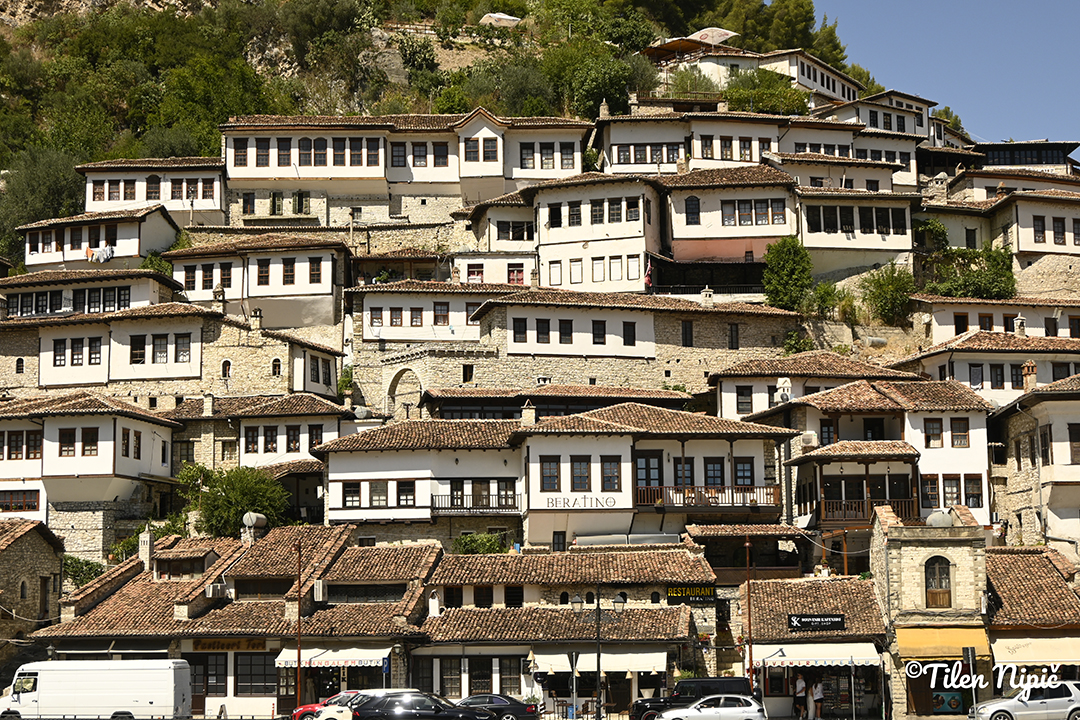
Berat and Gjirokastër are picturesque gems and proud symbols of Albanian cultural heritage. Their historic centres are listed as UNESCO World Heritage sites as rare examples of well-preserved Ottoman architecture.
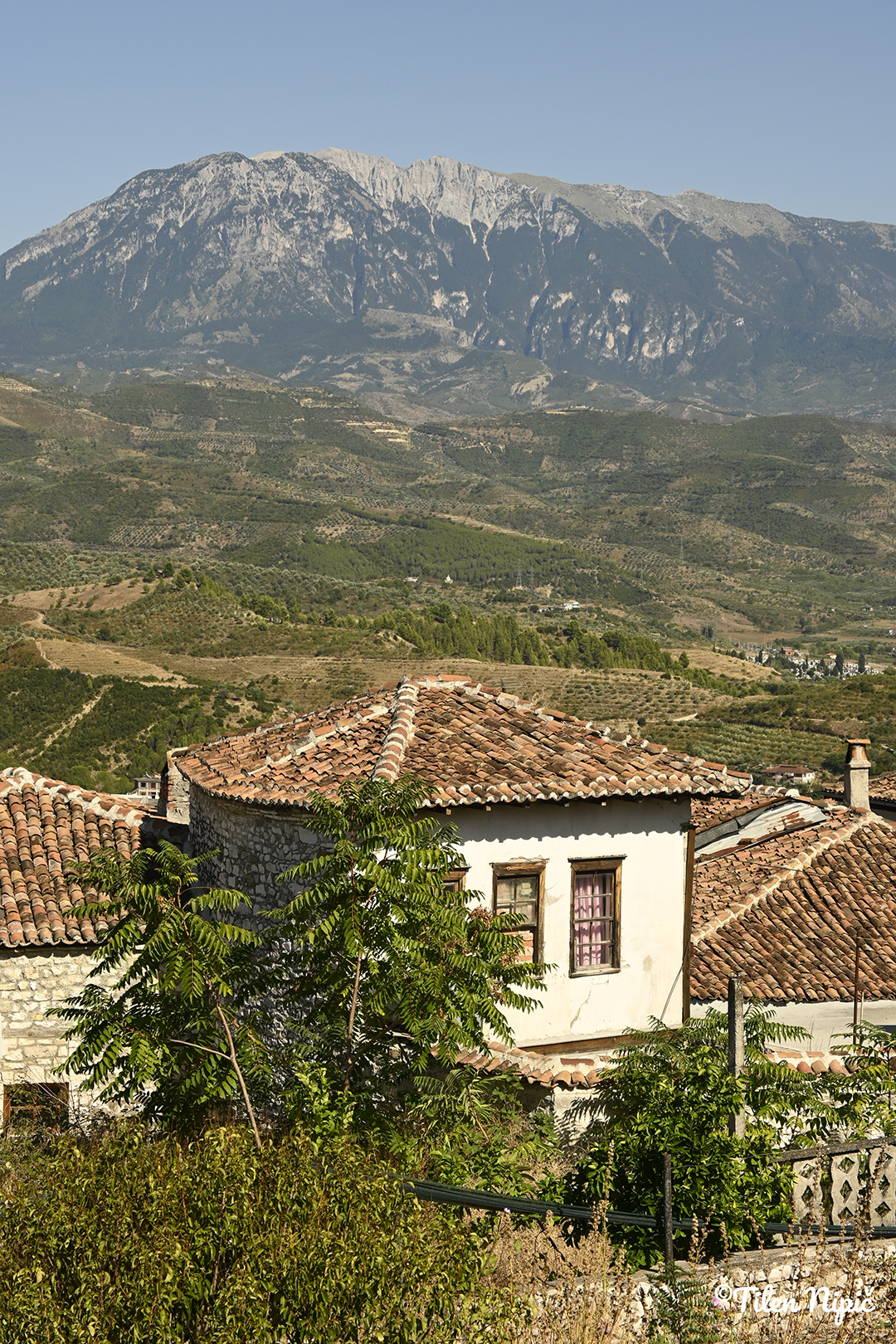
Berat, also known as the “town of a thousand windows”, has a striking feature of traditional architecture. The stone houses are built on terraces, one above the other, with the lower floors having no windows. This is not just an aesthetic feature, but a deliberate safety measure against the Turks. The buildings were harder to capture because of it. The windowless stone rooms were used by the residents as wine cellars, storage spaces, or cool living areas. This was vital for life in Berat, as it is one of the hottest towns in Albania, with summer temperatures often reaching 45 °C.
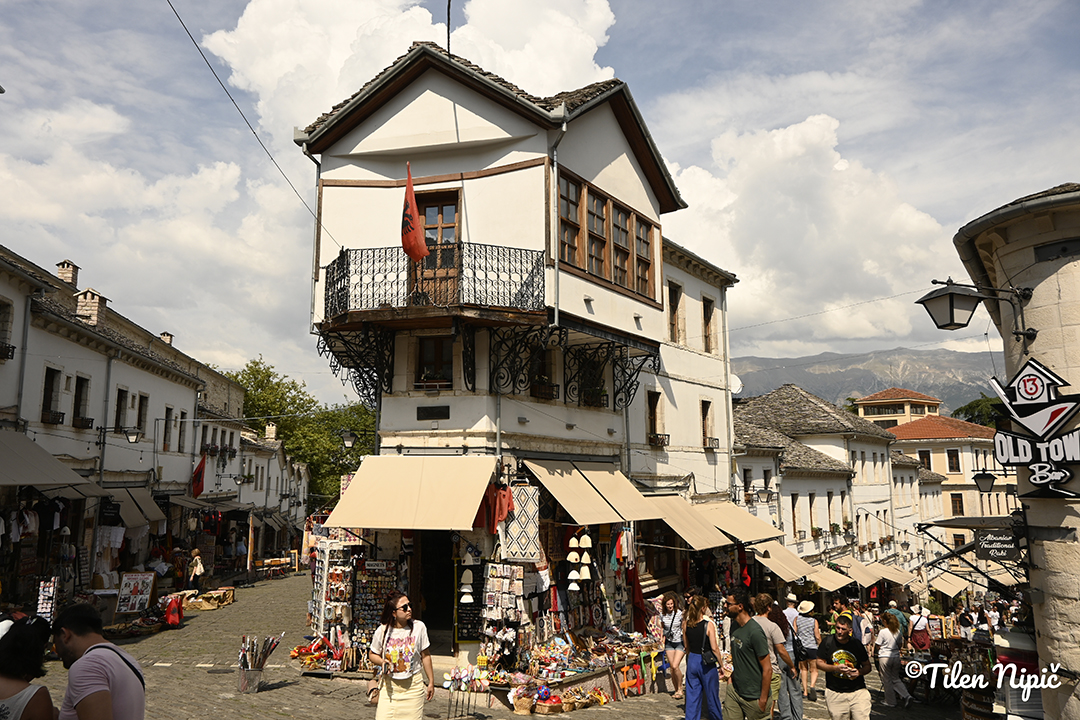
Just as Berat is called the “town of a thousand windows” Gjirokastër is known as the “town of a thousand steps”. The old town, with its stone houses and narrow cobbled streets, takes visitors back to the time of the Ottomans and bustling bazaars.
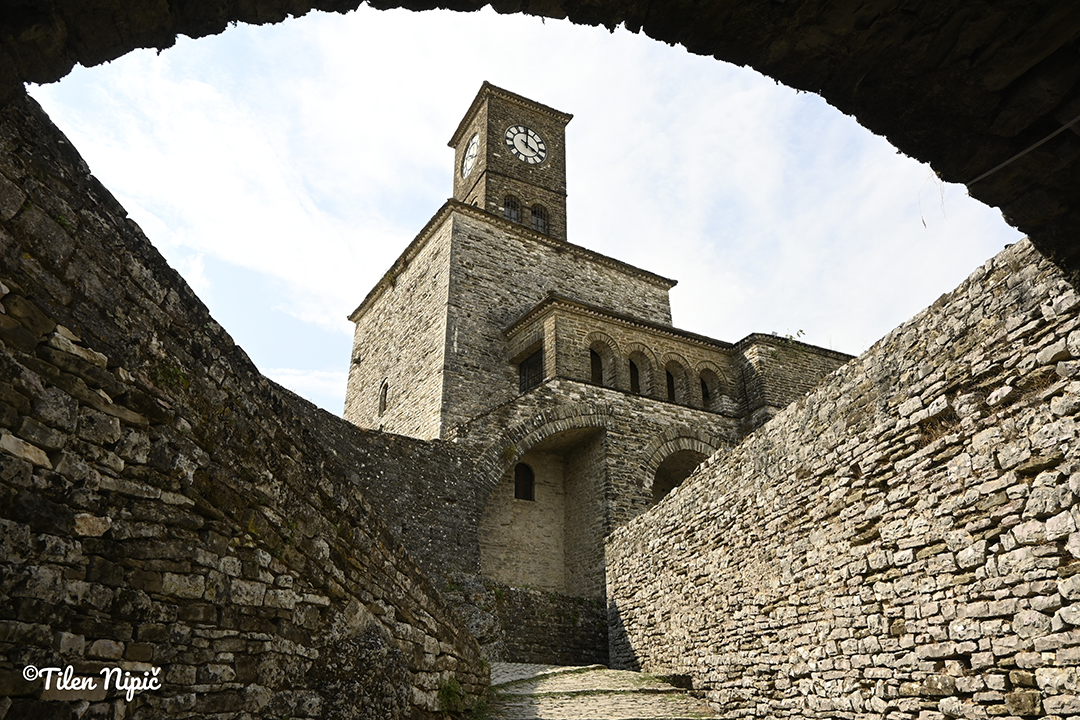
Two famous Albanian figures were born in Gjirokastër. The first is the former communist dictator Enver Hoxha, and the second is the internationally renowned writer Ismail Kadare. Why visit this city in the first place? Above the town stands a mighty fortress with stunning views. There is a museum, a display of cannons, and even the remains of an American plane from the Cold War. The atmosphere is also shaped by the local food, with traditional dishes on offer. A walk through the bazaar reveals many handcrafted items and small souvenir shops, which stand out against the uniform block-style housing from the communist era.
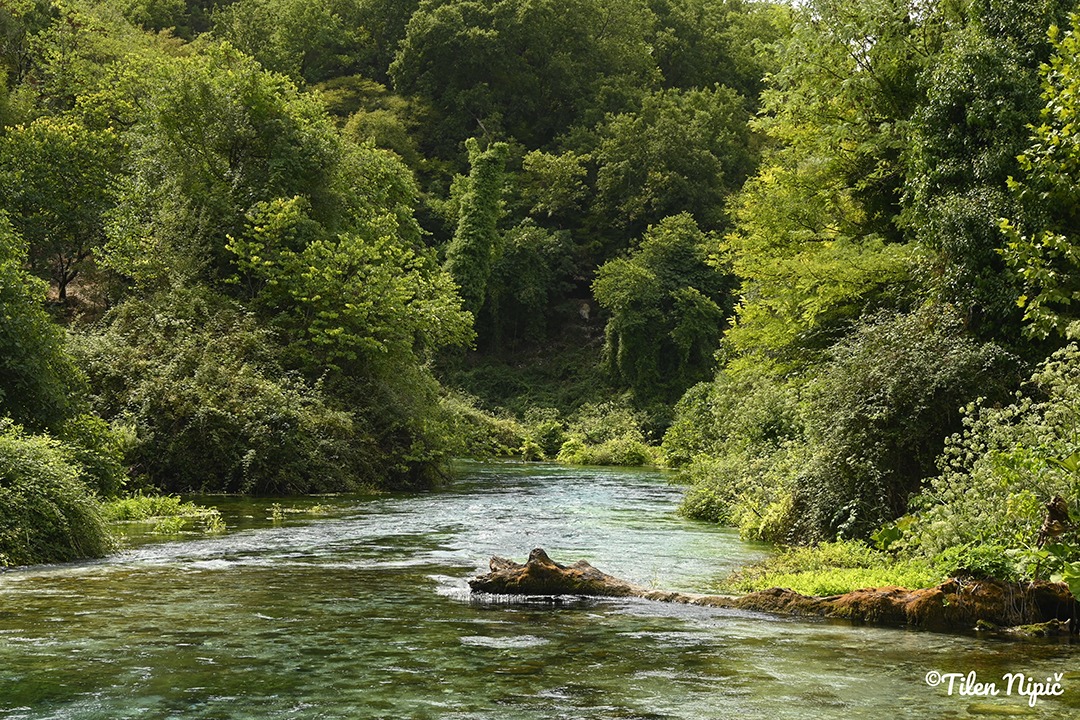
About an hour’s drive from Gjirokastër is the spring and popular tourist attraction, the Blue Eye. Its crystal-clear blue water and lush greenery among the hills create something of an oasis that offers a cool retreat from the high summer temperatures. The area is set up for tourists, with access on foot or by renting electric scooters and similar vehicles. Within the area, there are also a few food stalls and souvenir shops.
A winding road through hills and valleys took us to the Albanian Riviera, which has been gaining attention in recent years. A visit to the resorts, which feel more like a concrete jungle than the so called “European Maldives”, quickly shows how much visitor numbers have grown, thanks to classic sea, sun, and sand tourism.
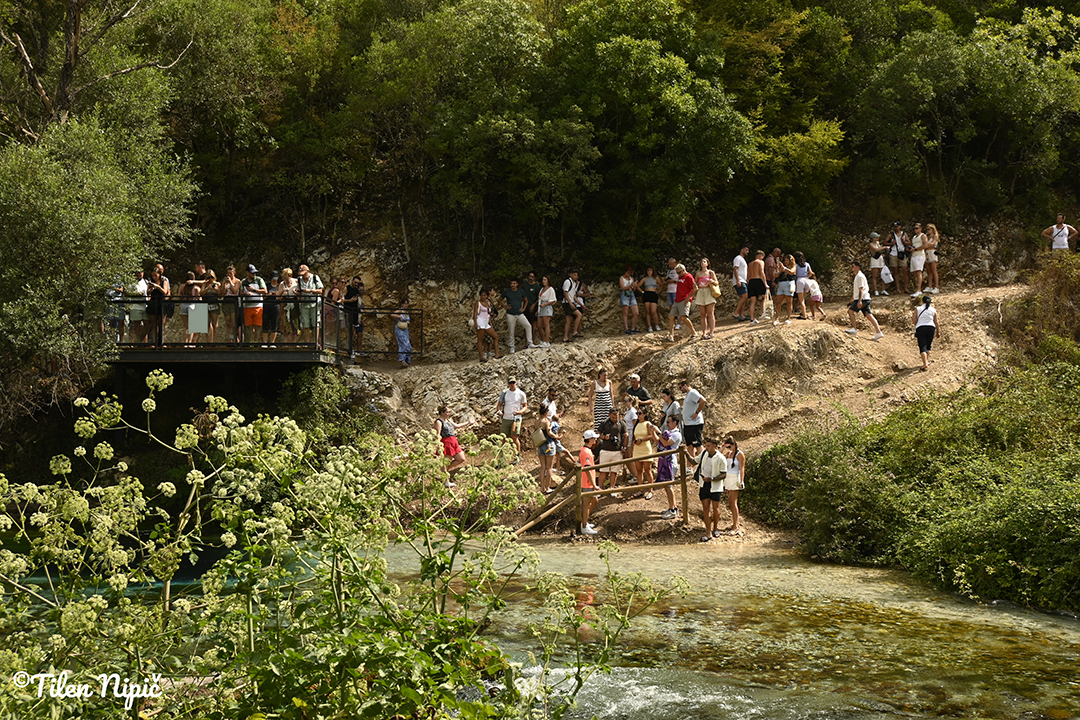
The largest town on this southwestern coast is Sarandë. It has long beaches and many operators offering guided boat trips. It is also connected to the Butrint National Archaeological Park, which is also on the UNESCO list. The old town of Butrint was once a Greek colony, then a Roman city and a Byzantine centre, but it began to fall into ruin in the late Middle Ages. The centre of Sarandë reflects an unclear identity, aside from the appeal of the sea and its history as a fishing village. Naturally, this is reflected in the crowds on the beaches and along the seaside promenade.
Further north, the resort of Himarë is developing in a similar way. It also offers the chance to experience the crystal-clear waters of the Ionian Sea. From here, many guided boat tours set off, offering visits to beaches that cannot be reached by land and to numerous caves, adding a thrill to the experience. We also recommend visiting the town’s castle and old quarter, located a few kilometres inland on a nearby hill.
During the boat trip, we saw the hilly coastal areas where construction sites were scattered across the landscape. It reminded us of a cake with slices already taken out. Many locals and people working in tourism also do not agree with the rapid, unchecked construction. Such developments in natural areas are permanent and often lack a comprehensive planning approach.
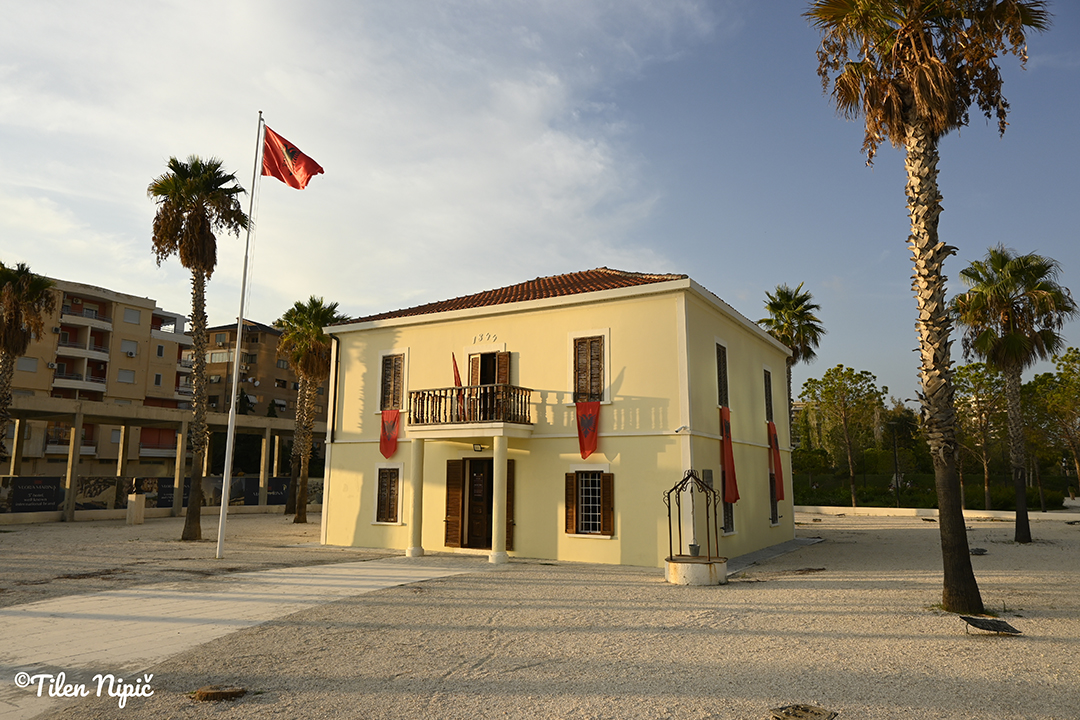
For us, the town of Vlorë was a stopping point on the way from the far southwest back to Tirana. The third largest city had an important place in Albanian history. In 1912, gathered leaders here declared Albania’s independence, forming a provisional government. From the balcony of the house, which is now the National Museum of Independence, they raised the Albanian flag. Nevertheless, they had difficulty assembling governments until 1939.
Sari Saltik is a mountain shrine named after a famous dervish who was revered by many Sufi sages and Bektashis across the Balkans and the Middle East. It sits above the town of Krujë, the birthplace of the national hero Gjergj Kastrioti Skënderbeu. He first served as a Janissary at the Sultan’s court, then escaped back to his homeland and became the leader of several successful defences against the Ottomans. As a result, Ottoman incursions into the Balkans slowed for a time, especially in Slavic lands. This greatly increased his historical importance. His portrait is also kept by the Uffizi Gallery. He comes from the Kastrioti family, whose coat of arms is the one located on the red flag of Albania. If you pay attention, you can also spot Krujë from Tirana Nënë Tereza International Airport.
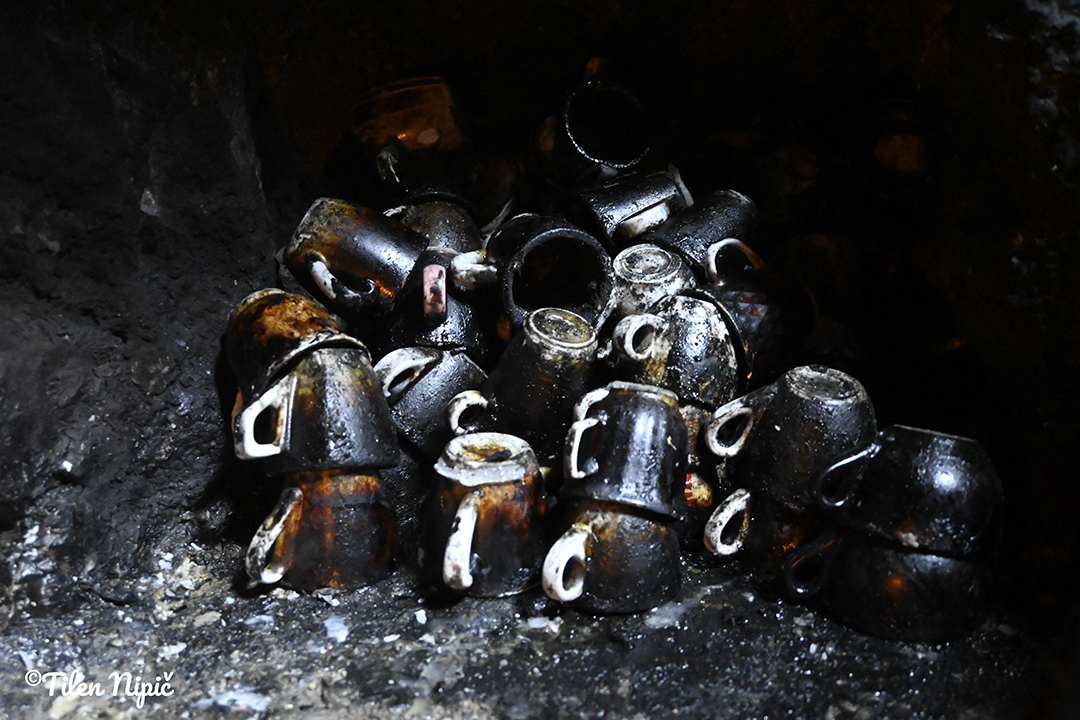
Returning to the Sari Saltik shrine, this small complex set into a sheer rock face is also popular with foreign visitors. It contains a spring of healing water, which many believe has beneficial effects, much like the water at the pilgrimage site of Lourdes. The shrine lies on the slopes of the Skanderbeg Mountains, an area rich in natural springs. Albania is a country with an exceptional abundance of water resources. The town of Krujë itself was named after its many springs.
Albania surprised us most of all with the thrill of travelling on its roads, an experience anyone using public transport will encounter. Traffic rules and restrictions there are mostly symbolic. We were also struck by the concrete jungle along the coast and the warmth of the local people, who really lit up when they learned that we too come from not far away in the Balkans.
Albania is certainly becoming a very popular destination, not only among young travellers but also with foreign investors attracted by low prices and loose regulations. Time will tell in which direction tourism there will develop, and whether the long-anticipated entry into the European Union will improve living conditions for the local population.
Copyright (©) 2010 - 2026 Youth Hostel | Our Privacy Policy | Cookies | | RPC