It had been ten long years since I last set foot in Bulgaria, a country that once felt like my second home. When I finally returned, I started my journey in the vibrant capital Sofia. I was genuinely surprised at how much the city had changed. The Sofia I remembered was charming but chaotic. The streets were full of old Ladas, uneven sidewalks, and a pace of life that felt frozen in the early 2000s.
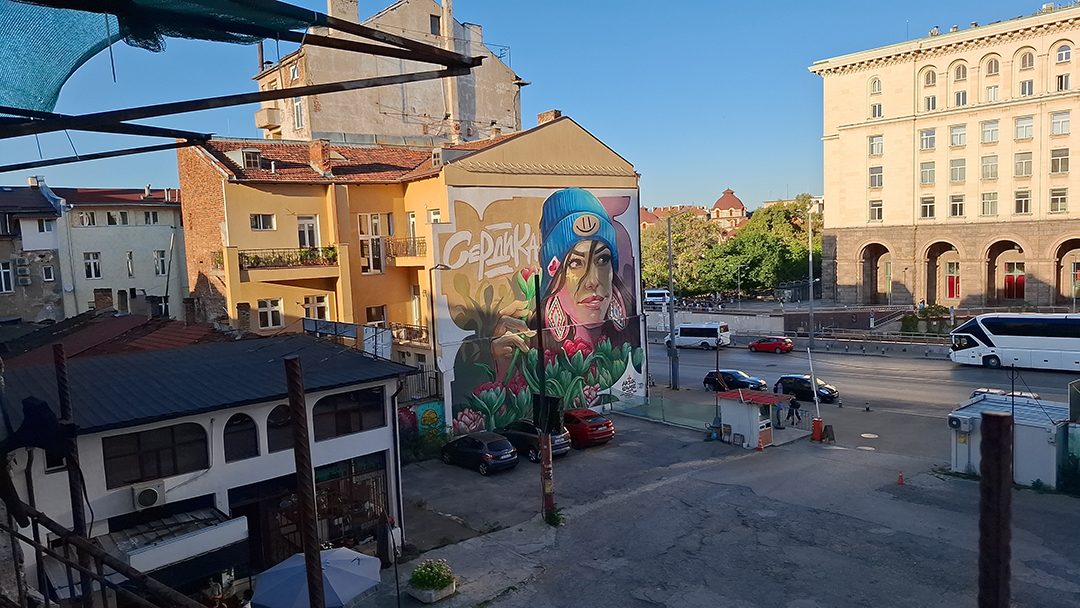
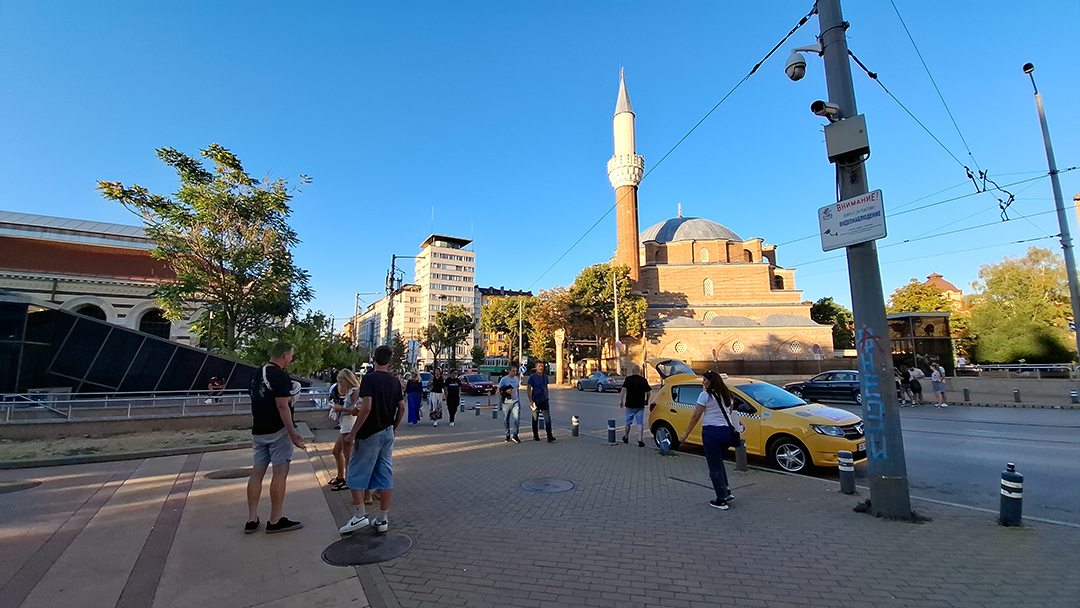
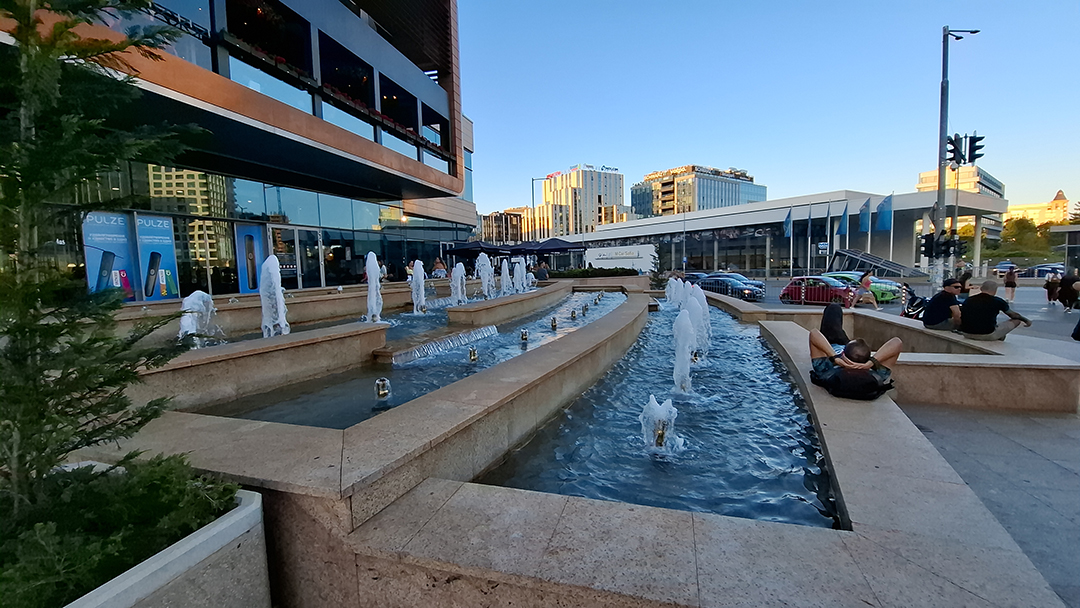
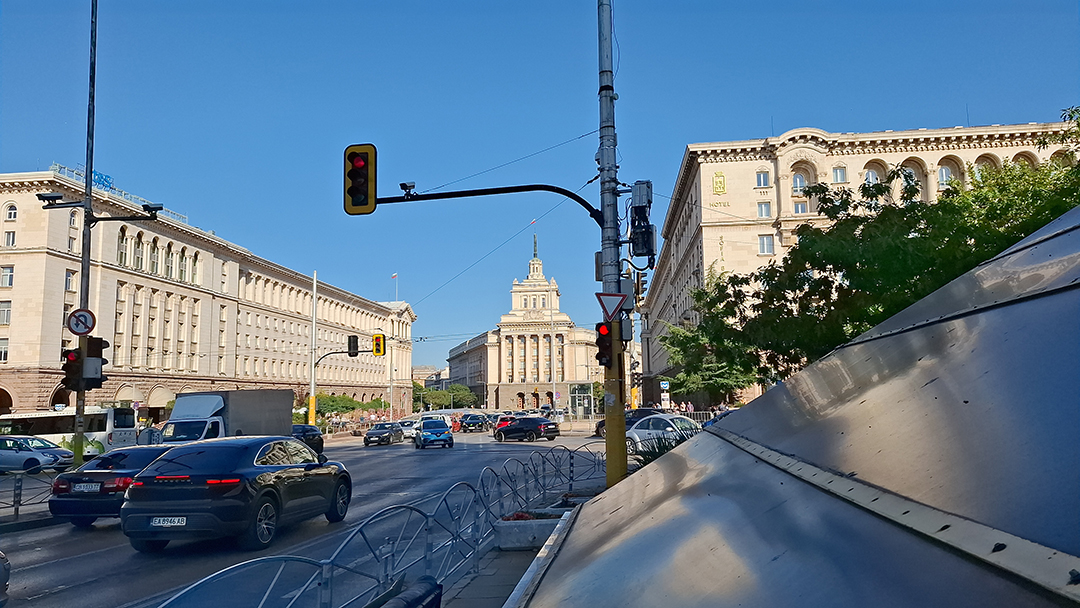
Now, however, Sofia felt different – more modern, cleaner, and surprisingly organised. New trams glided quietly through the centre, coffee shops with minimalist interiors filled the boulevards, and young professionals tapped on their laptops in hip co-working spaces. The city had grown up, reinvented itself, and I could not help but feel proud of this transformation.
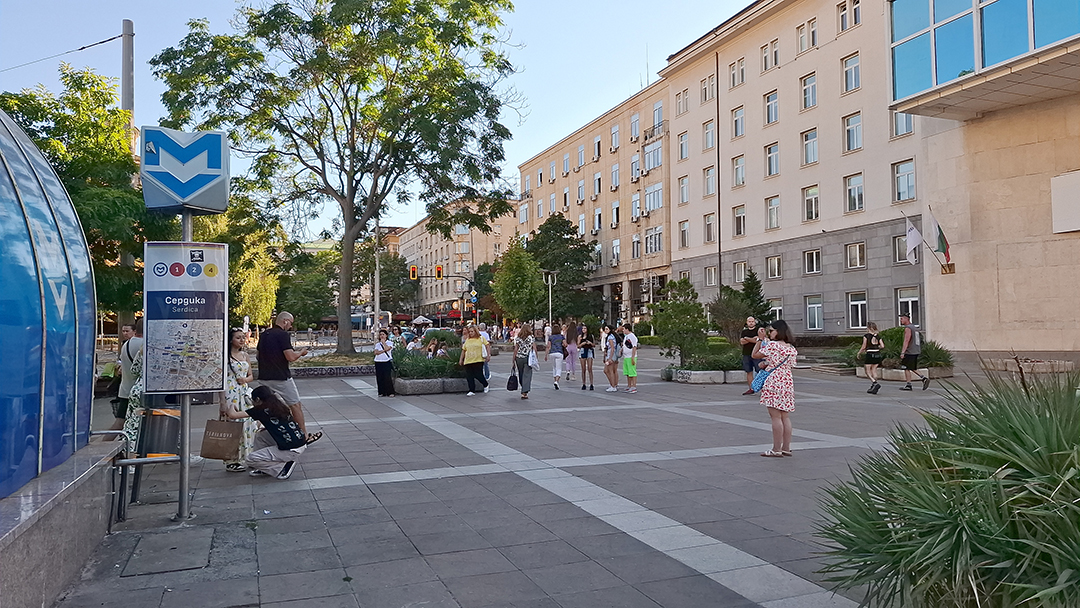
I spent my days walking down Vitosha Boulevard, admiring how elegant it had become. The street was alive with people – tourists snapping photos, street musicians playing jazz, and locals sipping espresso under parasols. The magnificent Alexander Nevsky Cathedral was still there, just as majestic as I remembered, its golden domes shining under the afternoon sun. I also revisited Borisova Gradina Park, where I used to take long walks when I lived there. The park had not changed much. It still had that familiar peaceful atmosphere that brought back a wave of nostalgia.
What did change, however, were the prices. Ten years ago, Sofia was one of the cheapest capitals in Europe. You could eat well for a few euros and grab a good beer for pocket change. Now, the situation is very different. In fact, I was shocked to realise that many things were even more expensive than in Slovenia, where I currently live. The low-cost Bulgaria I once knew had evolved into a more cosmopolitan, pricier version of itself.
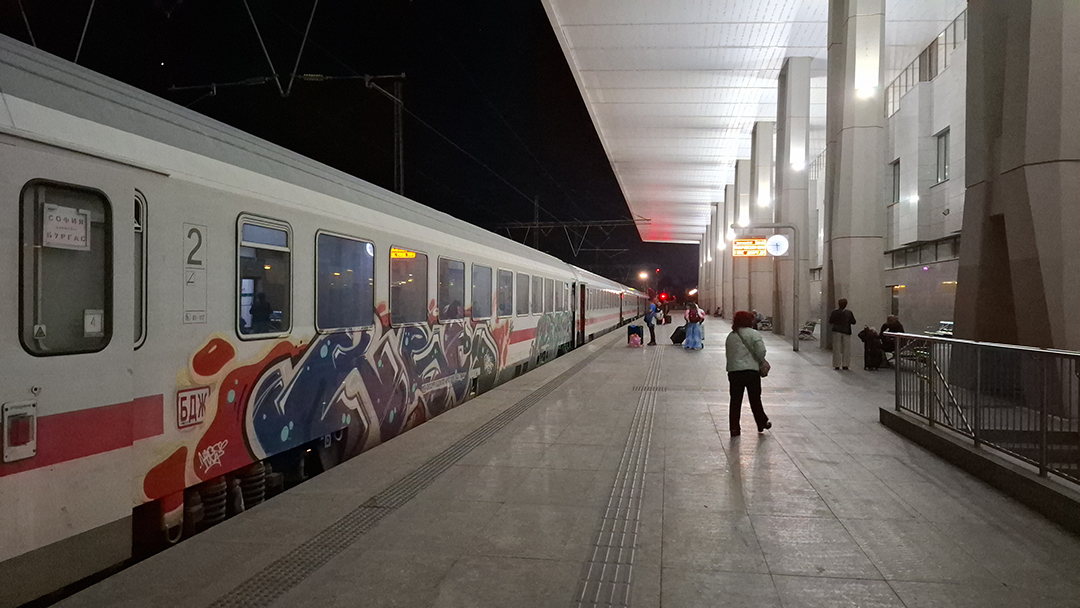
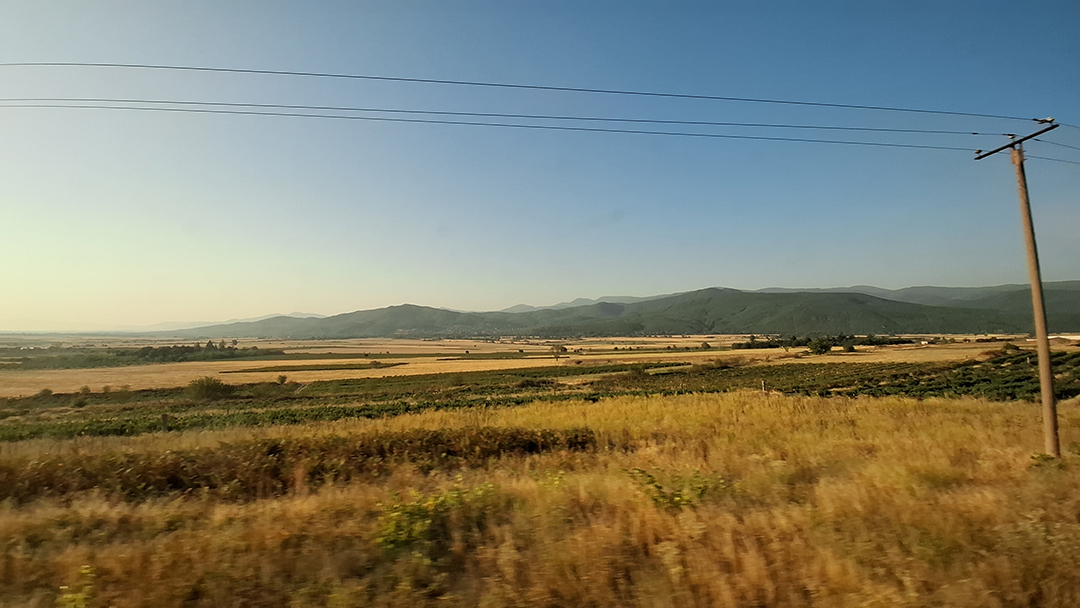
After a few days in Sofia, I felt a pull toward the Bulgarian seaside, a place I had always loved. So, I hopped on a fast train to the coast, watching the scenery change from city suburbs to open fields, then rolling hills and finally, the glimmering blue of the Black Sea. My destination? Sozopol.
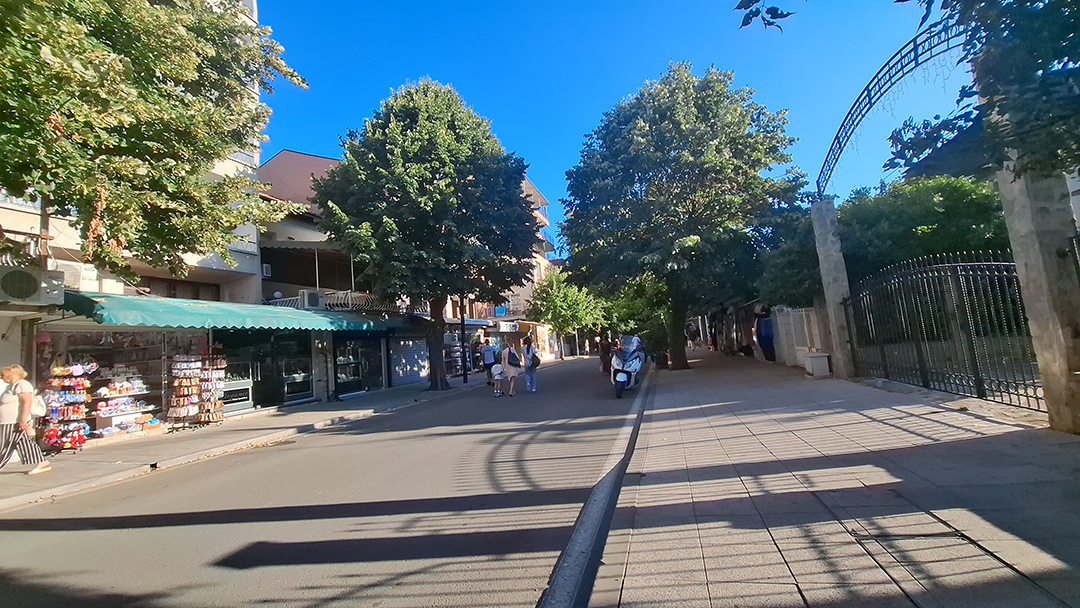
When I arrived in Sozopol, it felt like stepping back in time. Unlike Sofia, the seaside had not changed much. The cobbled streets, the wooden houses, the smell of grilled fish drifting from small taverns – it all felt the same. There was something comforting about it, something that reminded me of the old Soviet-era seaside resorts – a little rough around the edges, but full of soul and authenticity.
I spent my evenings walking by the harbour, watching the fishermen mend their nets as the sun dipped below the horizon. There were fewer foreign tourists than I expected, and that made it even more special. Sozopol still had its old calm, nostalgic, and undeniably Bulgarian charm.
Returning to Bulgaria after a decade was like visiting an old friend who had changed, grown, and matured, but still carried the same heart. Sofia showed me the country’s new face, modern and confident, while Sozopol reminded me of its timeless, simple, and sincere soul.

Copyright (©) 2010 - 2026 Youth Hostel | Our Privacy Policy | Cookies | | RPC