Spain is one of those countries that leaves a different impression on every traveller. For some, it is a land of sunshine and beaches, while for others a home of art, architecture, or even temperament. But everyone can agree that the Spanish know how to live.
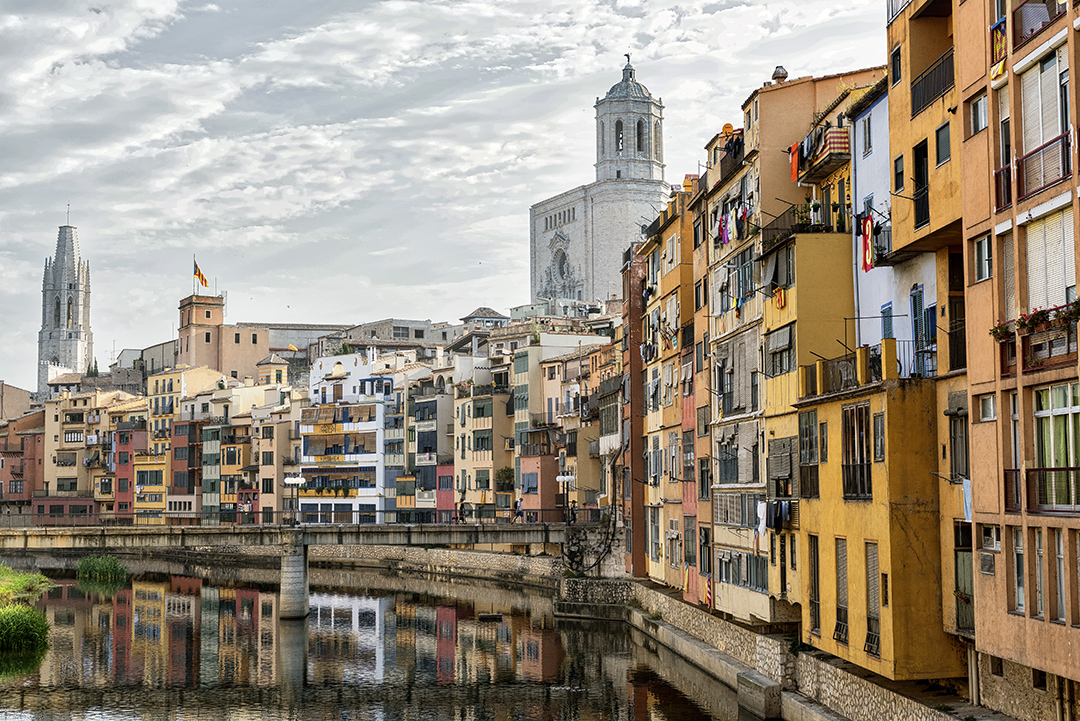
From the very first walk through its cities, you notice that this is a destination unlike any other in Europe, shaped by welcoming people, the smell of freshly cooked paella, and the sounds of street musicians. From Catalan Barcelona to Andalusian Granada and Basque Bilbao, each region has its own character, its own language, cuisine, and rhythm of life.
First-time visitors to Spain are better off exploring more than just one city. The country is incredibly diverse, so the best way to get around is by train or bus. Public transport is efficient, well-connected, and more environmentally friendly. In the summer months, you should be prepared for heat that can exceed 40 °C in some areas. It is often better to visit northern regions such as Galicia, the Basque Country, or Asturias at this time, or to explore the south in spring or autumn. Since Spain is such a popular tourist destination, it is a good idea to book most attractions in advance when visiting bigger cities like Madrid, Barcelona, or Valencia, as queues can get very long. Places like the Sagrada Familia or the Prado can quickly end up with long waits.
Spain is a country full of warmth, found in every conversation with a local over coffee and in the flamenco music that fills the narrow streets of Andalusia. It is a place where life is measured not in hours, but in moments.
Madrid, the capital of Spain, offers visitors a streetscape that blends the classical with the modern. In one part of the city, there are palaces, museums, and tree-lined streets, while another is full of modern bars, artsy neighbourhoods, and nightlife that goes on until dawn. The Spanish say that Madrid never sleeps, and it is true. In the evenings, the streets fill with people enjoying tapas and sangria, accompanied by the sounds of street musicians.
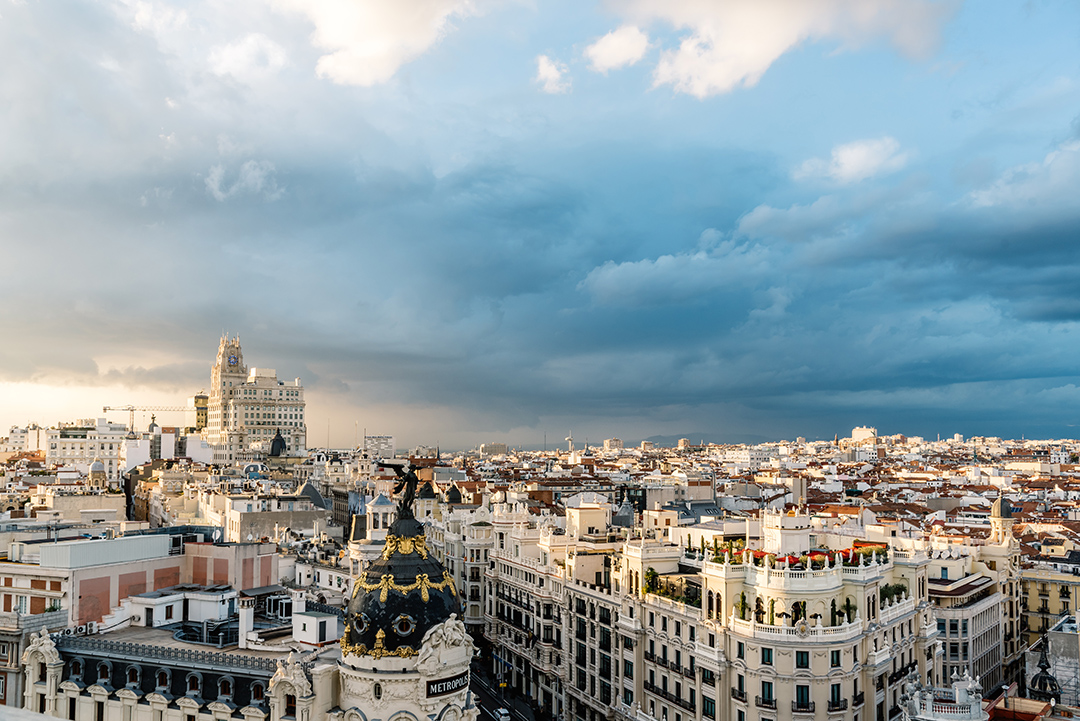
Anyone interested in art should not miss Madrid’s Golden Triangle of Museums: the Prado with works by Velázquez and Goya, the Reina Sofía with Picasso’s Guernica, and the Thyssen-Bornemisza, which spans more than eight centuries of art. A visit to the Royal Palace, Palacio Real, and the Sabatini Gardens gives a real sense of Spain’s incredible past. After visiting historical sites, you should take a walk in the nearby Retiro Park, where locals read, paddle around the lake, or simply enjoy the shade.
For anyone wanting to experience real Spanish life, a visit to Mercado de San Miguel is a must, with stalls offering everything from jamón and manchego cheese to seafood and wines from across the country. Madrid is also at the heart of Spanish spirit, so it is no surprise that flamenco thrives here in its most authentic form.
Barcelona captivates everyone the first time around. For most, it is also not their last visit. The city is full of Catalan pride, a pleasant Mediterranean climate, and a vibrant artistic spirit. At the heart of the city is La Rambla, an avenue running from Plaça de Catalunya to the sea, always alive with flower stalls, performers, street shows, and the smell of fresh churros.
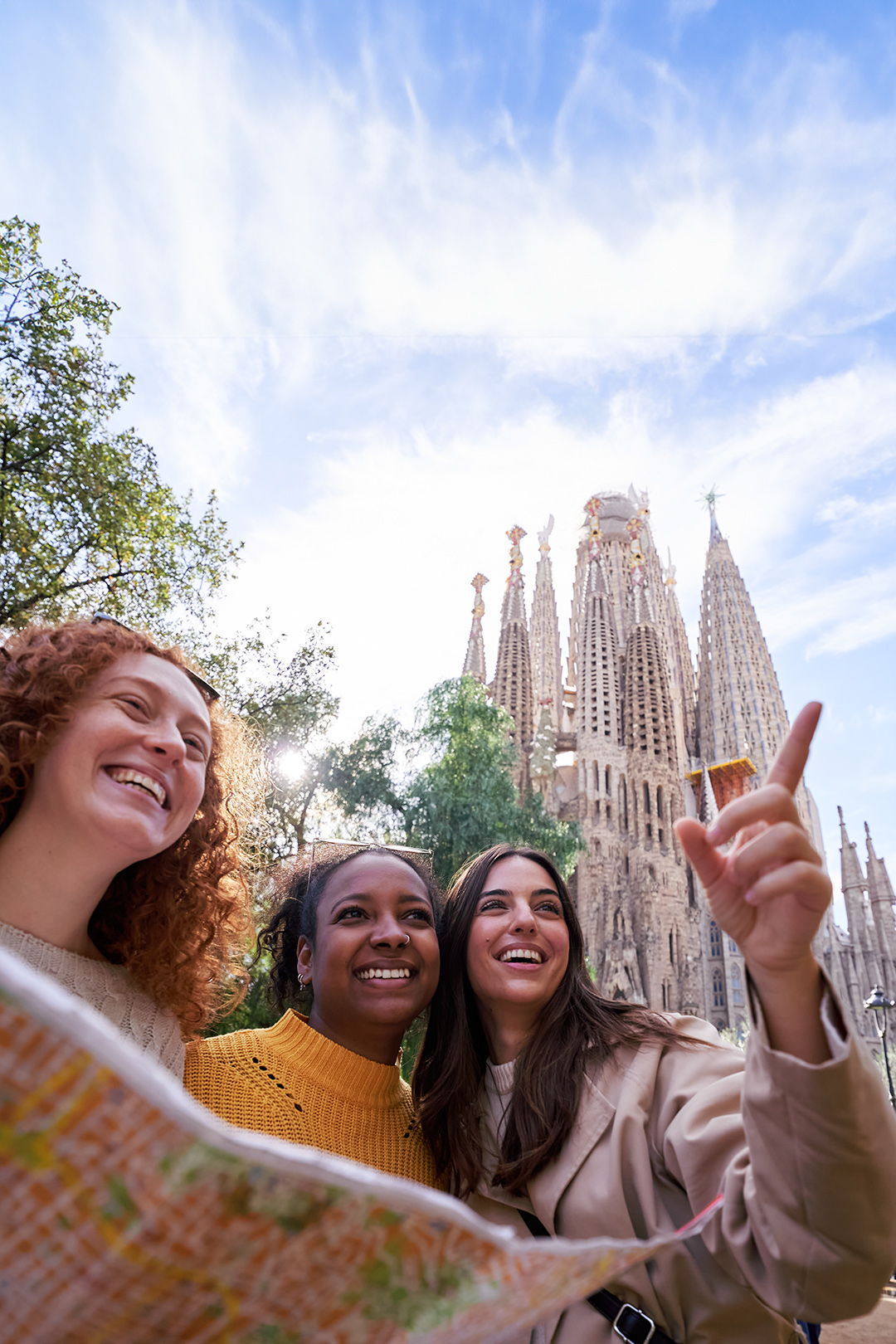
One of the city’s biggest draws is undoubtedly the architect Antoni Gaudí, whose vision has given it a touch of magic. His masterpiece Sagrada Familia is still being built, but even unfinished, it is already one of the most breathtaking sights you will ever see. Park Güell, with its colourful mosaics, gives the best views over the city, while Casa Batlló and La Pedrera are a true display of the artist’s endless imagination.
Barcelona is also a city of excellent cuisine. Trying tapas in El Born, seafood by Barceloneta beach, and fresh fruit at La Boqueria market is an experience you should not miss out on. In summer, locals and visitors gather on the beaches, while in winter the streets come alive with cultural events and concerts. Throughout the year, the city keeps its unique energy and gives the feeling that every street is part of a story that has been unfolding over centuries.
In southern Spain lies Andalusia, a region many consider the heart of the true Spanish spirit. This is the birthplace of flamenco, the home of bullfighting, and where white Andalusian squares are filled with the scent of orange blossoms. Cities like Seville, Granada, and Córdoba reveal a rich history of Moorish, Christian, and Jewish heritage.
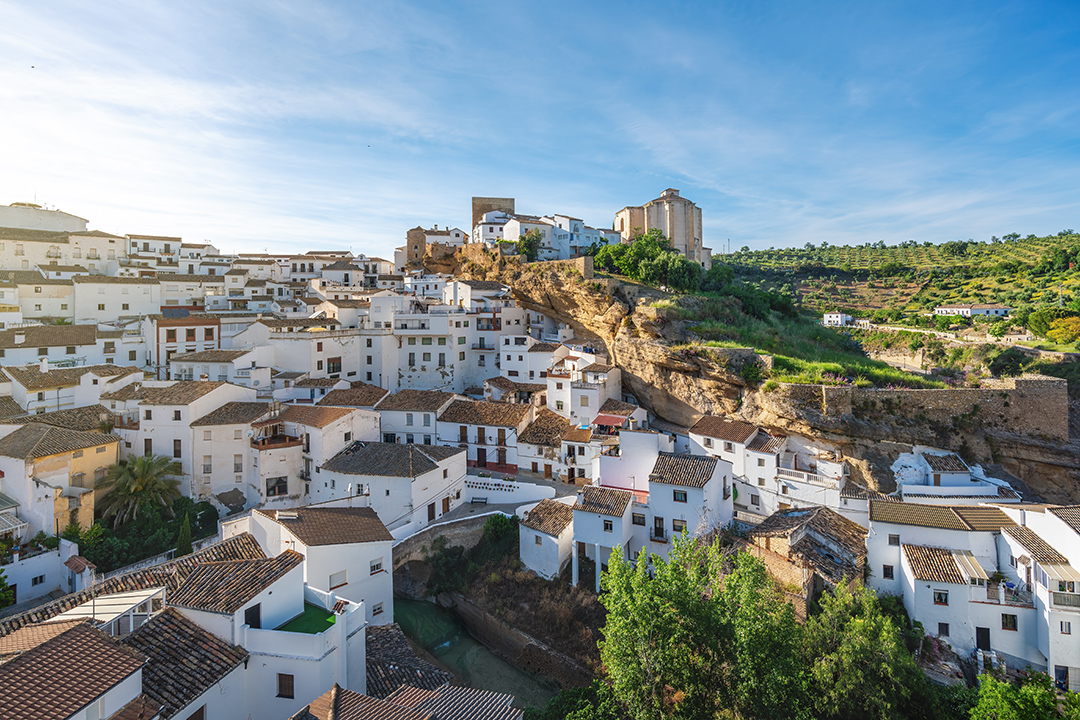
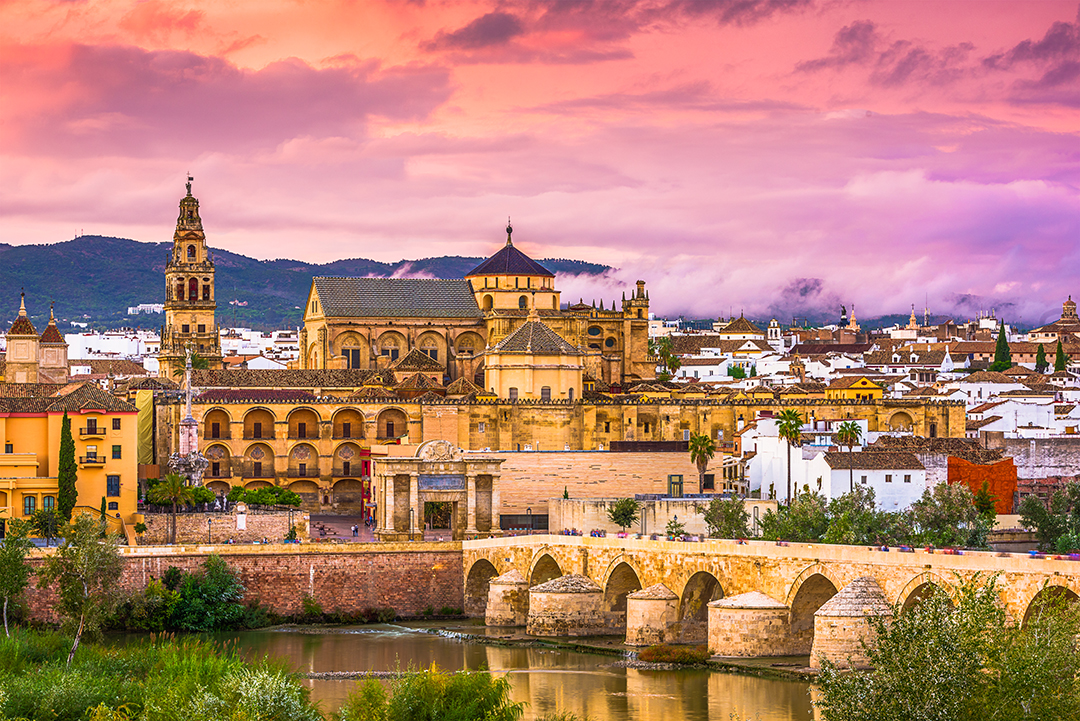
In Granada, the magnificent Alhambra rises above the city, a Moorish palace considered one of the most beautiful architectural achievements in the world. The cathedral in Seville is one of the largest in the world and the Giralda Tower offers impressive views across the city, which is the region's unofficial capital. The Mezquita in Córdoba is a former mosque now converted into a cathedral. It brings together different cultures in a harmonious blend, reflecting the spirit of Andalusia.
Andalusia is also home to the distinctive Spanish spirit, its music, and the scent of jasmine in the air. In the evenings, the streets come alive with flamenco, and in the small tapas bars, the flavours of wine, olives, and jamón mingle together. Travel in this region should not be rushed. Time moves more slowly here, and life is measured in smiles and the melodies drifting from nearby courtyards. Take your time to wander the streets, sit at a café, and simply watch the world go by. Every corner has its own rhythm, and every moment feels a little richer.
When most people think of Spain, they imagine hot beaches and dry landscapes, but the north of the country tells a very different story. Regions like Galicia, Asturias, and the Basque Country are defined by their lush green hills, rugged coastlines, and a cuisine that many regard as the finest in Spain. This is the side of Spain that tourists often overlook, but I believe that is exactly what makes it so special.
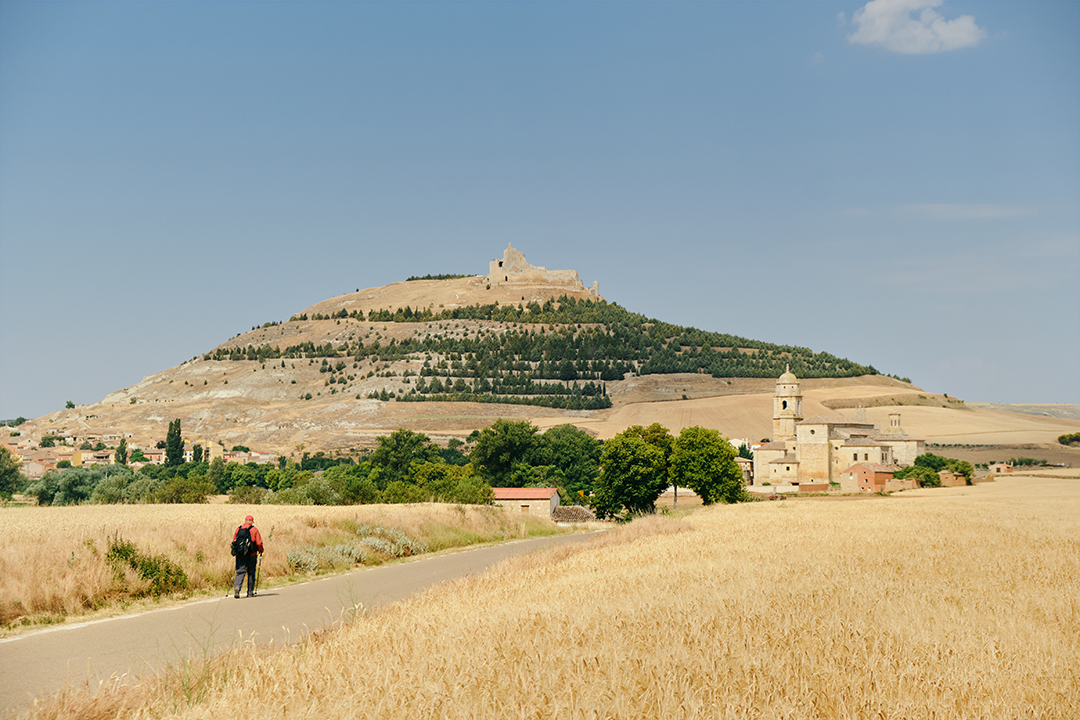
Galicia, with its capital Santiago de Compostela, is famous worldwide for the Camino de Santiago, which draws in thousands of travellers from across the globe every year. In Asturias, you will find wild beaches, traditional fishing villages, and cider, poured from a height to create its characteristic froth, while the Basque Country is known for its exceptional cuisine.
The north is home to some incredible natural sights, from Picos de Europa National Park and the coastal cliffs at Zumaia to the small fjords along the Galician coast. Here, the usual Spanish pace picks up a little, and life becomes more active, making the region ideal for those seeking a connection with nature and authenticity.
Spain is blessed with two very different groups of islands, and each is worth visiting in its own way, the Balearics in the Mediterranean and the Canary Islands in the Atlantic.
The Balearic Islands, Mallorca, Menorca, Ibiza, and Formentera are full of clear blue seas, olive groves, and charming villages. The main draw is Mallorca, which offers everything from the lively capital Palma with its Gothic cathedral La Seu to the stunning Serra de Tramuntana mountains. Menorca is calmer, perfect for cycling and exploring hidden coves, and especially popular with the Spanish people, while Ibiza is known for its nightlife but also has surprisingly peaceful spots with a bohemian feel. Formentera is like a paradise escape, just a short trip from Ibiza, which is best known for some of the most turquoise beaches in Europe.
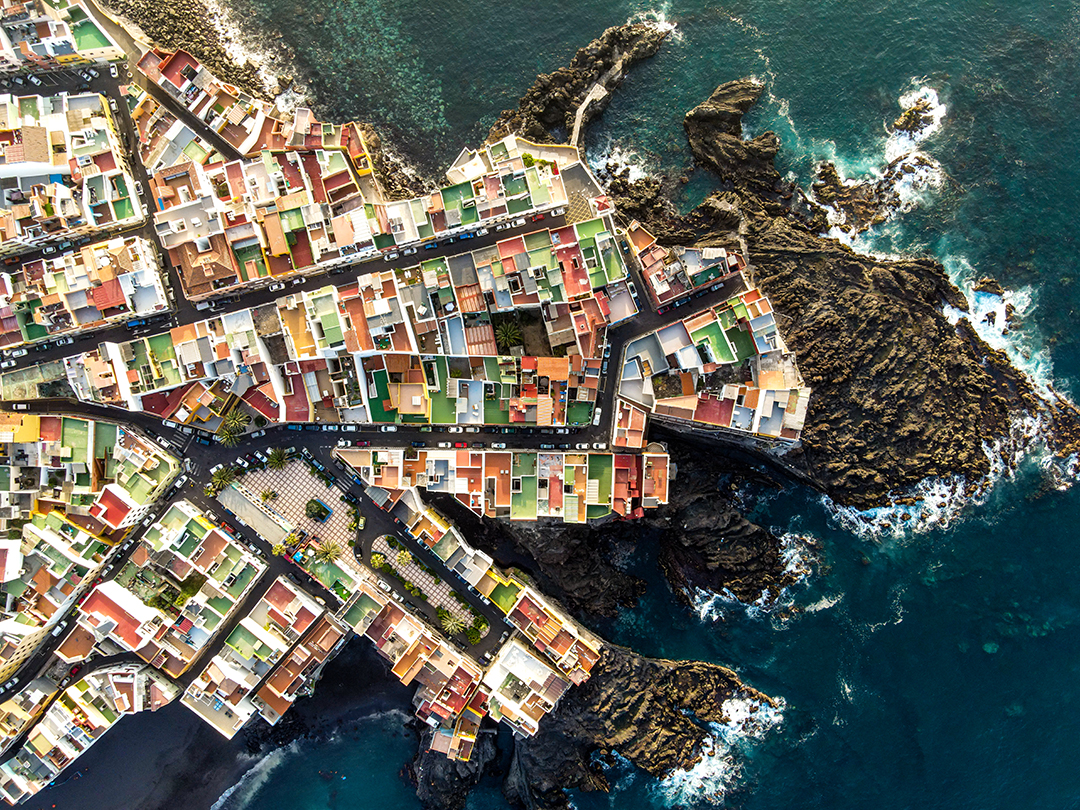
The Canary Islands lie close to the African coast and are known for their eternal spring weather. Tenerife and Gran Canaria are the largest and most visited, but each island has its own character. Lanzarote is known for its volcanic landscapes, La Palma for its lush nature, and La Gomera for its canyon trails. The islands offer something for everyone, from hiking across volcanoes to relaxing by the ocean.
If there is one way to truly understand Spain, it is undoubtedly through its cuisine. The food there is part of the social and cultural identity. Each region has its own dishes, traditions and methods of preparation that are passed down from generation to generation.
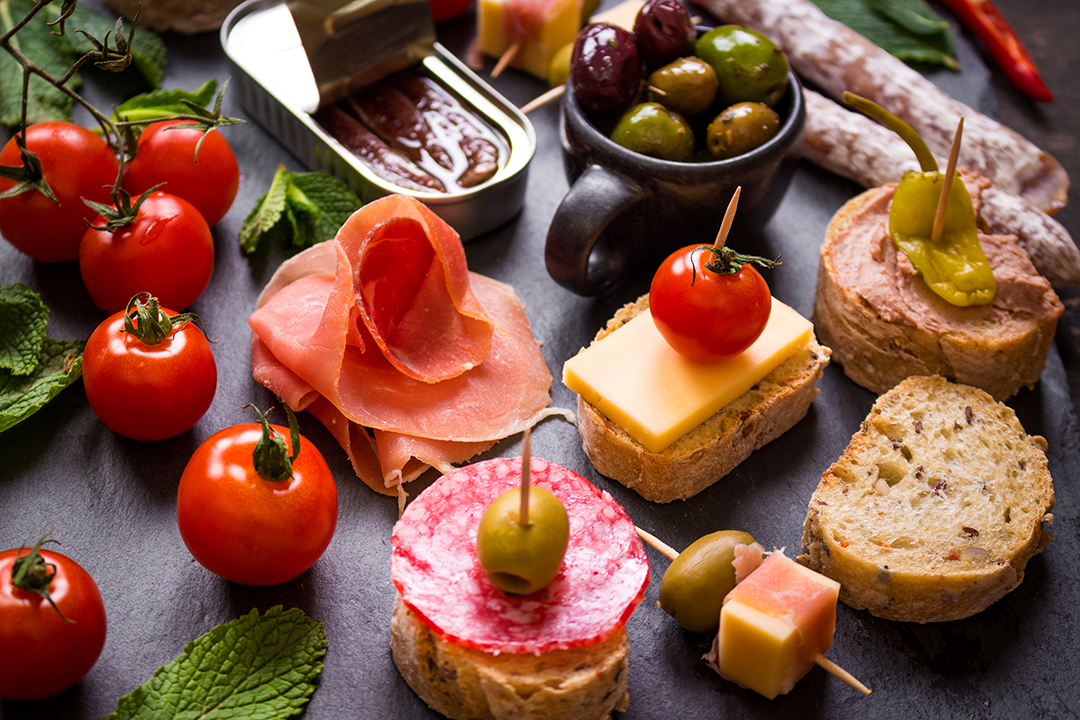
You should start with tapas, small dishes usually shared with friends over a glass of wine or sangria. In Andalusia, dishes are known for their combination of olives, croquettes, and jamón. In Galicia, seafood takes the spotlight, while in the Basque Country, pintxos are best described as little works of art on a piece of bread. The most famous flavour found in almost every region is the renowned jamón ibérico, a cured ham that is a true national pride.
One of the standout dishes is paella, which comes from Valencia. It combines rice, vegetables, and different types of meat and spices, though nowadays the most popular version is the one with seafood. In Castile, you can find lamb roasted in a clay pot, while in the north, the famous Basque dish bacalao, or salt cod, is a must. And even though the Spanish are not really known for having a sweet tooth, they also have amazing desserts. In most of Spain, festive celebrations usually include churros with chocolate and flan after lunch, while in Galicia the traditional dessert is tarta de Santiago.
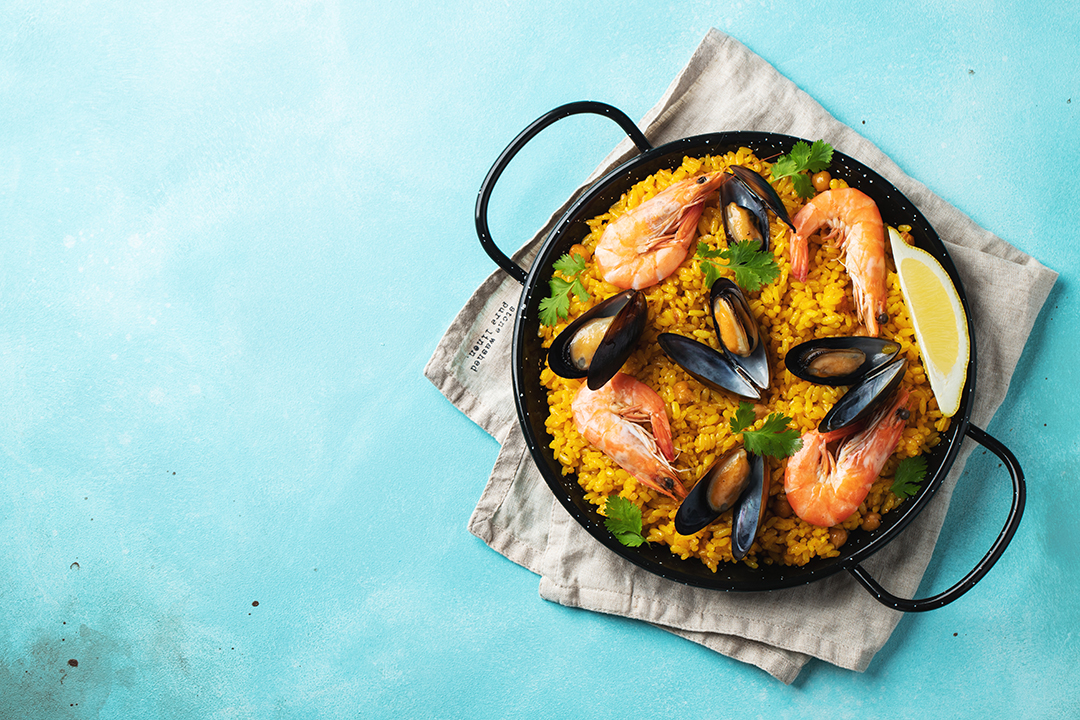
Spanish cuisine can be a journey in itself. At markets like La Boqueria in Barcelona, San Miguel in Madrid, or Mercado Central in Valencia, you can taste the country one bite at a time, and wherever you go, the shared love of food and life is always clear.
Spain is more than just a destination. Most visitors find it hard to describe because it combines a relaxed charm, open friendliness, and a real joy in everyday life. The locals will say that their secret is in the mañana, the philosophy that everything happens in its own time and that there is no need to always hurry.
Spanish culture celebrates socialising, food, and music. A meal is not just a necessity, but an event that can last for hours. People haggle at the markets, chat in the parks, and in the evenings life spills onto the streets, into bars, squares, concerts, and festivals. In the summer, there is hardly any week without a festival, like the fiery Las Fallas in Valencia, the legendary San Fermín in Pamplona, or the colourful Feria de Abril in Seville.
For a traveller wanting to feel the real Spain, visiting the sights is not enough. You need to sit in the shade of an orange tree, listen to the laughter from the next table, and take your time. Spain teaches us how to live more fully, and once you experience it, its spirit stays with you long after you leave its coasts, mountains, or even volcanoes. Anything else you need to know about Spain is covered in detail in the famous Lonely Planet guide.

Copyright (©) 2010 - 2026 Youth Hostel | Our Privacy Policy | Cookies | | RPC