China is unlike any country you have visited or will visit. It is one of the oldest civilisations in the world, having developed in the 21st century BCE along the Yellow River and the Great Chinese Plain. China was ruled by many dynasties, but in 221 BCE the first unified Chinese state was formed.
China was ruled by dynasties until the Xinhai Revolution, which led to the founding of the Republic of China in 1912. The rise of the Communist Party marked the beginning of China’s transformation into the country we know today. It is the second most populous country and the third largest by land area in the world. Chinese is the most widely spoken language, and China has the second largest economy in the world. It is also the biggest exporter and has the largest army worldwide. Today China is a leading power and sets an example in many areas for other countries.
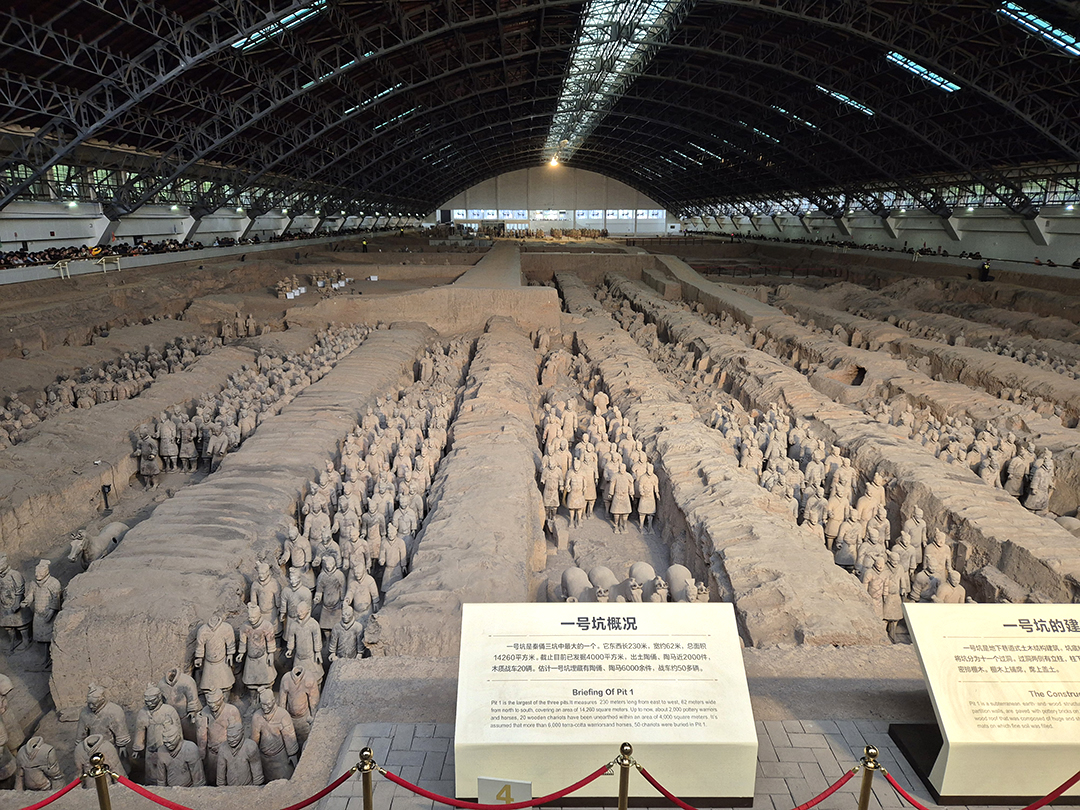
Thanks to its ancient civilisation, China is full of historic landmarks and has more than 50 UNESCO World Heritage sites. The main destination in this case is Xi’an, which is one of China’s oldest cities and its first capital. The city is famous as the eastern end of the Silk Road and for its ancient city walls. Here you can see the Terracotta Army of China’s first emperor, an astonishing sight for every visitor.
Chinese cities are full of green spaces, especially in Beijing, with parks such as Jingshan, Beihai and Yuanmingyuan. Opportunities to explore the outdoors in China are almost endless, including the fifth largest desert, the third longest river and the highest peak on Earth. The most remarkable places are Zhangjiajie National Forest Park, known for the mountains seen in the film Avatar, and the Chengdu Research Base of Giant Panda Breeding.
Chinese culture is one of the largest and oldest in the world. Art in China dates back more than 7,000 years, with religion playing an important role in shaping its culture. With the rise of the Communist Party, China became an officially atheist country, yet many religions are still widely practiced. Buddhism and Taoism predominate, but there are also Christians and Muslims. China has more than 33,000 temples, while the Dalai Lama lives in Tibet.
Chinese cuisine has spread around the world, yet the flavours in the country itself are still quite different. The food changes from city to city, with roast duck in Beijing, dumplings in Shanghai, and biangbiang noodles in Xi’an. China has more than 100 Michelin-starred restaurants, but the most authentic culinary experiences are found at street markets.
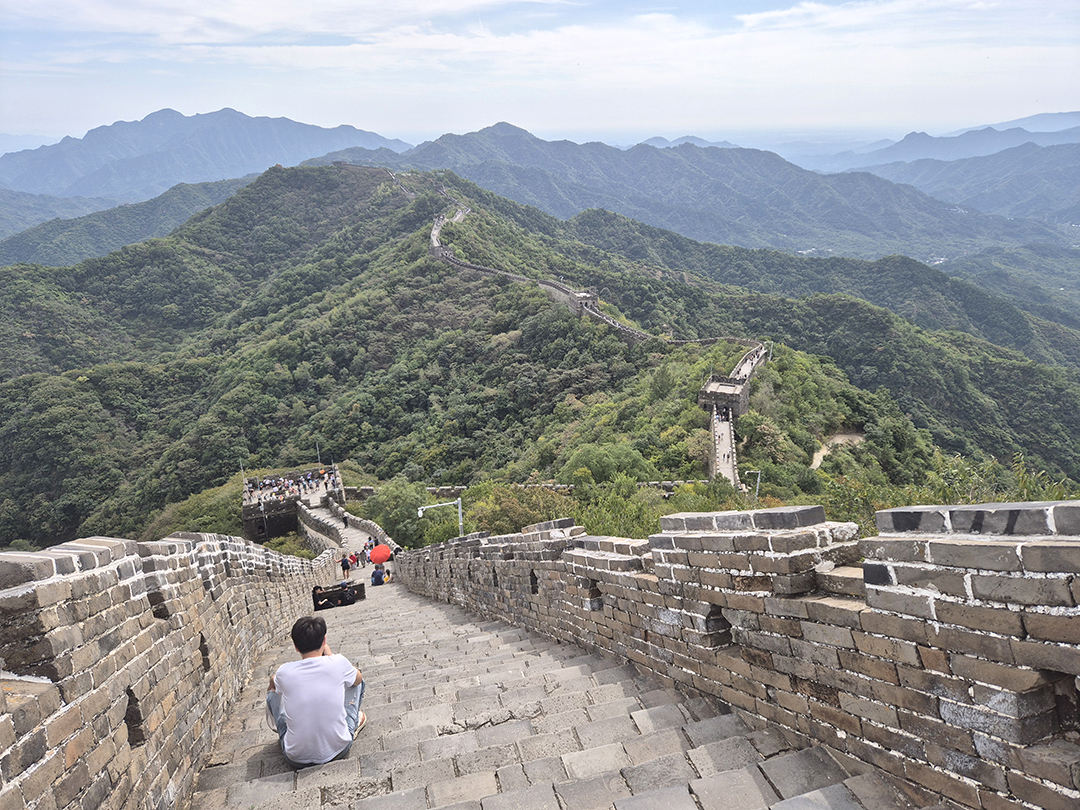
There may be nothing more incredible in the world made by humans than the Great Wall of China. Construction of the Wall began before the Common Era, but it was not completed until the 15th century to protect against Mongol invasions. Its total length is 21,196 kilometres, and it is said to be the only structure visible from the Moon.
Hong Kong and Macau are part of China, yet they have their own administrative and economic systems. Hong Kong is a former British colony that passed to China in 1997. It is one of the most important financial centres in the world, also known as the city with the most skyscrapers. Macau was under Portuguese rule until 1999. After Las Vegas, it is the top global destination for gambling tourism and has more than 40 casinos.
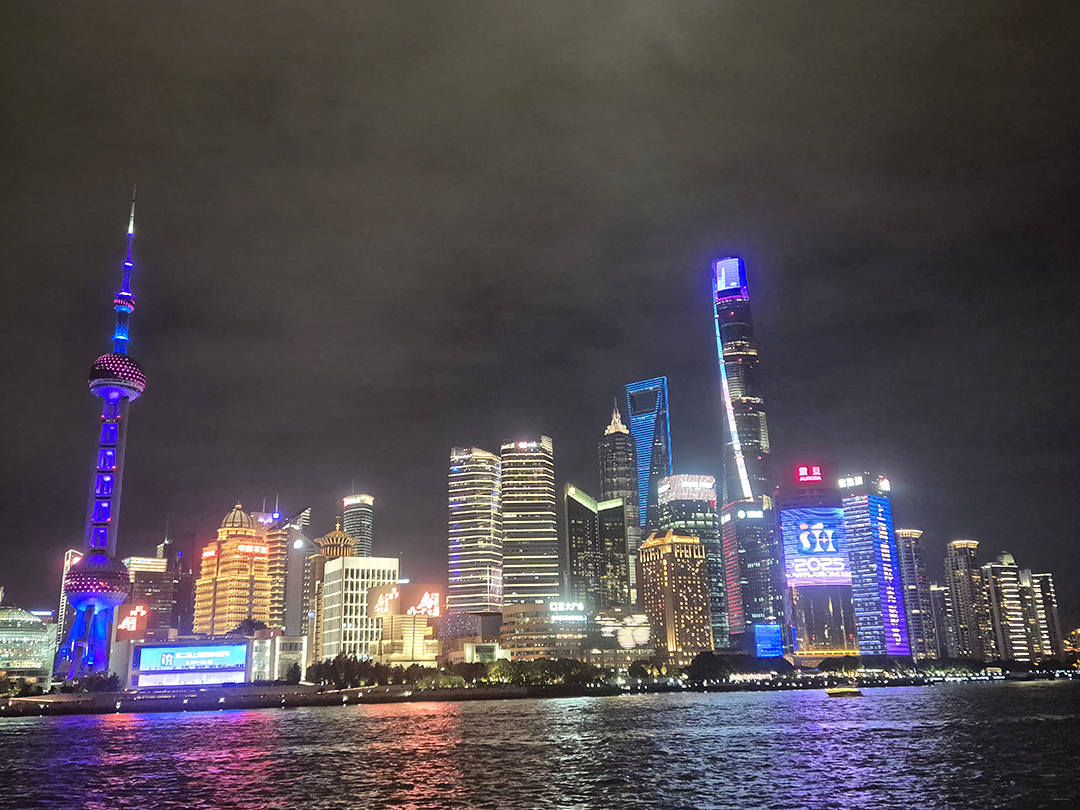
China has experienced one of the fastest developments of the 21st century, especially in the field of technology. The best example is Shanghai, which grew from a small fishing town into a city of nearly 25 million and serves as China’s economic hub. Shanghai Tower is the third tallest tower in the world. The city also has the largest metro system and the fastest train in the world. Shenzhen is known as the Silicon Valley of the East, while Chongqing is perhaps the most futuristic city anywhere.
The ruling Communist Party maintains a strict regime that somewhat separates China from the rest of the world. Tourists notice this most when trying to access the internet, which is blocked by the so-called Great Firewall. Cameras are everywhere, and entering crowded places requires security checks, including at public transport stations. These security measures contribute to a very high level of safety, which is more than ideal for any visitor. The crime index sits around 25, comparable to levels in Switzerland or Iceland.
In the West, many stereotypes about China discourage tourists from visiting. However, upon arrival, it takes very little time to see how misrepresented it is in the media. It is one of the most organised countries in the world, with very friendly people and excellent food. Tourism is very well developed, as most Chinese people travel within the country, but at the same time it is affordable for Europeans. Another advantage is that until the end of 2026, citizens of most EU countries did not need a visa for tourist visits to China for up to 30 days. It is crucial that you properly prepare for the trip in advance. You can read more about this in the second part of the article.

Copyright (©) 2010 - 2026 Youth Hostel | Our Privacy Policy | Cookies | | RPC