Many travellers dream of visiting South America. The continent offers everything from unspoilt nature in Patagonia, the Andes and the Amazon rainforest to the remarkable history of ancient civilisations and several wonders of the New World. South America truly has it all, from welcoming, friendly locals to food that easily ranks among the best in the world. For many travellers, worries about safety stand in the way of what could be a dream journey, yet with a bit of common sense you soon find that South America is not a place where you need to be constantly looking over your shoulder.
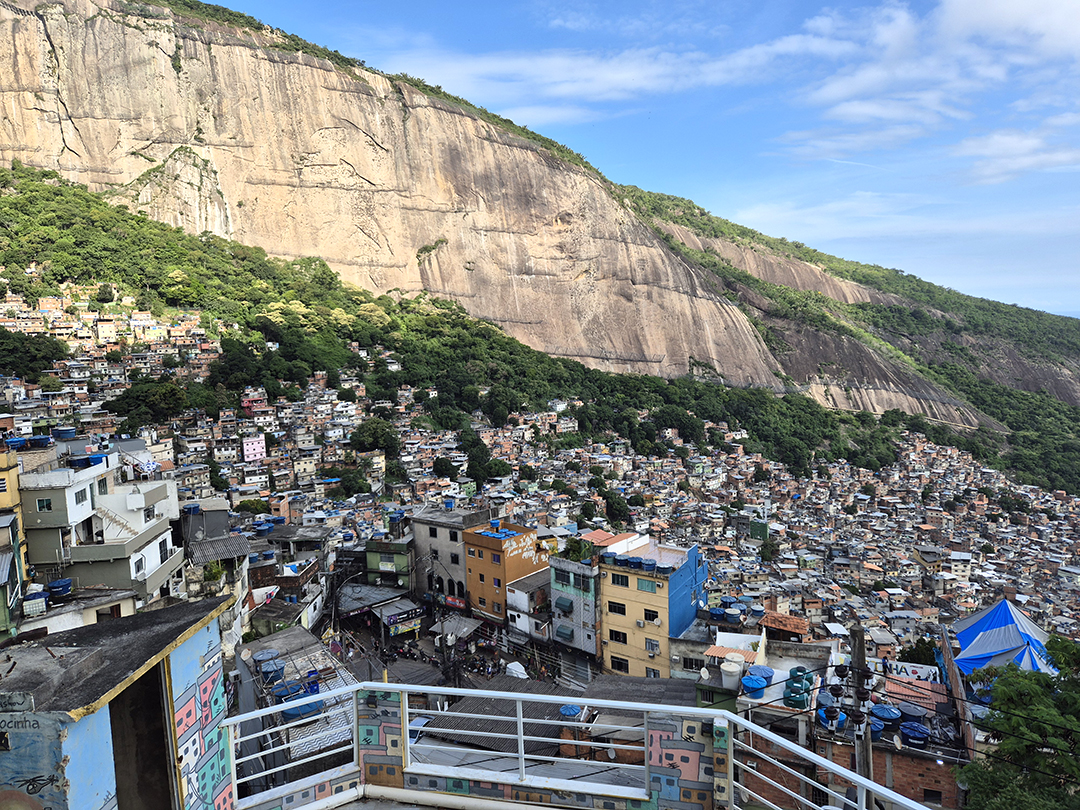
In large cities, a short walk can quickly take you from safer neighbourhoods into areas that are best avoided. Rio de Janeiro’s historic centre comes as an unpleasant surprise to many, despite the number of major sights located nearby. Boca in Buenos Aires is full of tourists during the day, but after dark the area can become quite dodgy. By contrast, Lapa, Rio’s nightlife hub, comes alive at night but is deserted during the day, which can leave tourists in tricky situations. You cannot know everything about the place you are visiting, so it is worth asking the locals about it.
Navigation apps usually suggest the quickest route to your destination, but they obviously cannot take safety into account. A little carelessness can land you in a dangerous area, and entering a favela is no different from stepping onto any other ordinary street. Before setting out, check online or with a local which streets you will be passing through, and never enter a favela alone without a guide. You can download maps in the app to use them even without an internet connection.
Large cities have well-developed public transport, with the underground train being particularly affordable, easy to use, and efficient. While travelling, keep an eye on your belongings, as pickpockets often target public transport. At times when public transport is quiet, it may be safer to take a taxi or use apps like Uber. If you choose a taxi, always make sure it is an official one and agree on the fare in advance. By far the best option is Uber, which is very affordable in South America, widely available, and generally safer than taxis.
You do not need to carry much cash, as credit cards are accepted almost everywhere, including by street vendors. Keep most cash and a spare credit card locked in a hotel safe or suitcase. For the money you do carry, it is best to use a pouch worn under your shirt or trousers. When paying with cash, ask the seller for the price first and only then pay, as some may raise the price when they see which banknotes you have. Be especially careful with valuable items, which are best left at home or kept out of sight.
For most people, the phone is the most important travel tool. The problem is that phones are a common target for pickpockets, who can snatch them from your hand and vanish. They are skilled and experienced, so you need to be smarter than they are. It makes sense to use a sting attached to your phone case and loop it around your wrist. Even so, it is wise to step away from the crowds and into an enclosed space if you need to spend some time typing on your phone. Many travellers choose to bring an older phone as a backup.
Across the continent, except for Brazil, people speak Spanish, and if you know any Romance language, getting by will be easier than relying on English, which few speak. Misunderstandings can lead to awkward situations, so always make sure you have understood the other person and that they have understood you. The easiest way is to use a translation app, which allows you to download the language you need and use it offline. It makes sense to learn some of their most common words before arriving.
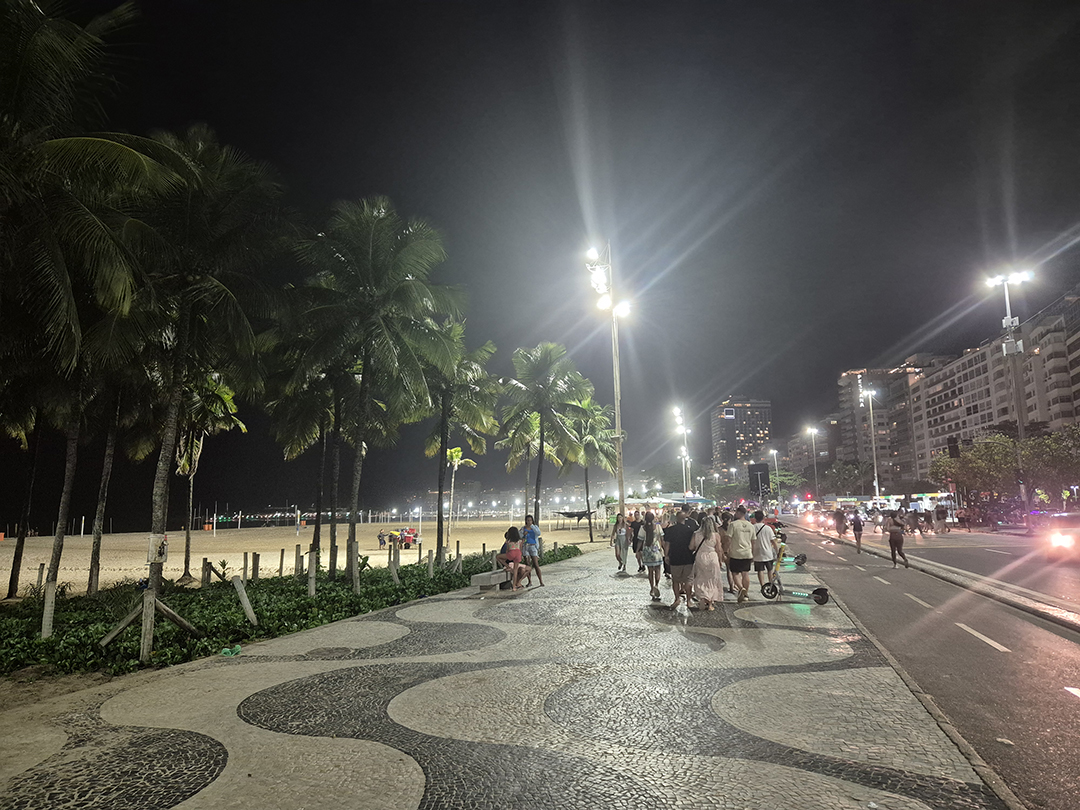
The beaches in South America are dreamlike, and in many cities they are the hub of daytime activity. Especially in the warmer months, the sea offers a welcome break for many travellers. Pickpockets are well aware of this and often take advantage of distracted tourists, so it is important not to let your guard down completely. Keep an eye on your belongings and never leave them unattended on the beach, as they are unlikely to be there when you return. When night falls, the action moves to bars and clubs, while the beaches empty out. For this reason, avoid staying on the beaches in the evening to prevent any unpleasant incidents.
The cuisine varies from country to country, but you will find good food everywhere. Hygiene in South America can sometimes be a little questionable, so it is wise to eat in busier restaurants and take extra care with street food. The same goes for drinks, where you should always stick to bottled water. Be especially careful that no one slips any drugs into your drink. Tourists are often targeted, especially at evening parties, so watch your drink being made and never accept one from strangers. It is wise to arrange travel health insurance before your trip.
South America is often portrayed negatively in the media, which shapes the wrong impression that some people have of it. The vast majority of people are kind-hearted, the major cities are well developed, and the sights are well maintained. These are simple tips that are worth following on trips anywhere. All you need for an enjoyable time in South America is a bit more caution and common sense.

Copyright (©) 2010 - 2026 Youth Hostel | Our Privacy Policy | Cookies | | RPC