As the evening lights come on over the Danube and the outlines of magnificent palaces shimmer on the water, Budapest comes to life. On one side of the river is historic Buda with its Castle Hill, while on the other is lively Pest, full of cafés, squares and cultural sights. It’s a city you experience not only with your eyes, but with your heart too.
The history of Budapest spans more than two thousand years. Important settlements already existed in present-day Budapest during the Roman Empire. Over the centuries, different people lived here, and the city went through periods of both prosperity and hardship. Modern-day Budapest was formed in 1873, when the three cities of Buda, Pest and Óbuda were united. Over the following decades, it became one of Europe’s most important capitals, and despite the difficult years of both world wars, the city preserved its beauty and rich cultural heritage.
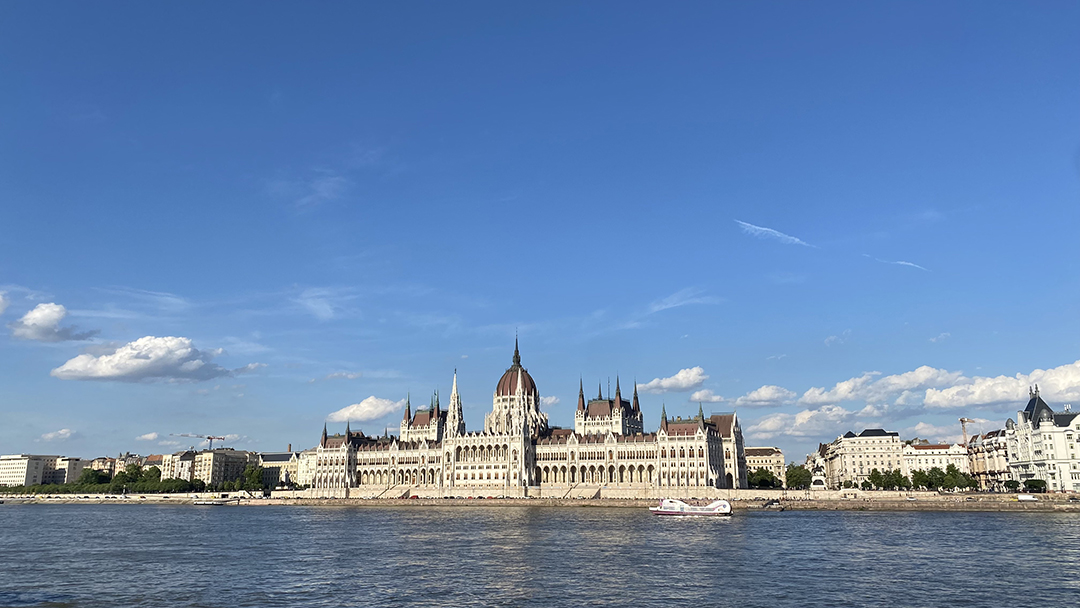
Construction of the Hungarian Parliament Building began in 1885, soon after Budapest was united as the capital of Hungary. The building, which was completed almost two decades later, combines elements of Gothic Revival, Renaissance and Baroque architecture. The impressive building, with its symmetrical design, richly decorated façade and magnificent dome, symbolises the year 896 and the beginning of Hungarian statehood. Throughout its history, the Parliament has witnessed many political changes and is still one of the largest parliament buildings in the world.
Széchenyi Chain Bridge was the first permanent bridge to connect Buda and Pest across the Danube. It was built between 1839 and 1849 at the initiative of Count Széchenyi, after whom the bridge is named. At the time of its construction, it was an impressive feat of engineering and one of the largest suspension bridges in the world. It was destroyed during the Second World War but was rebuilt and reopened soon afterwards.
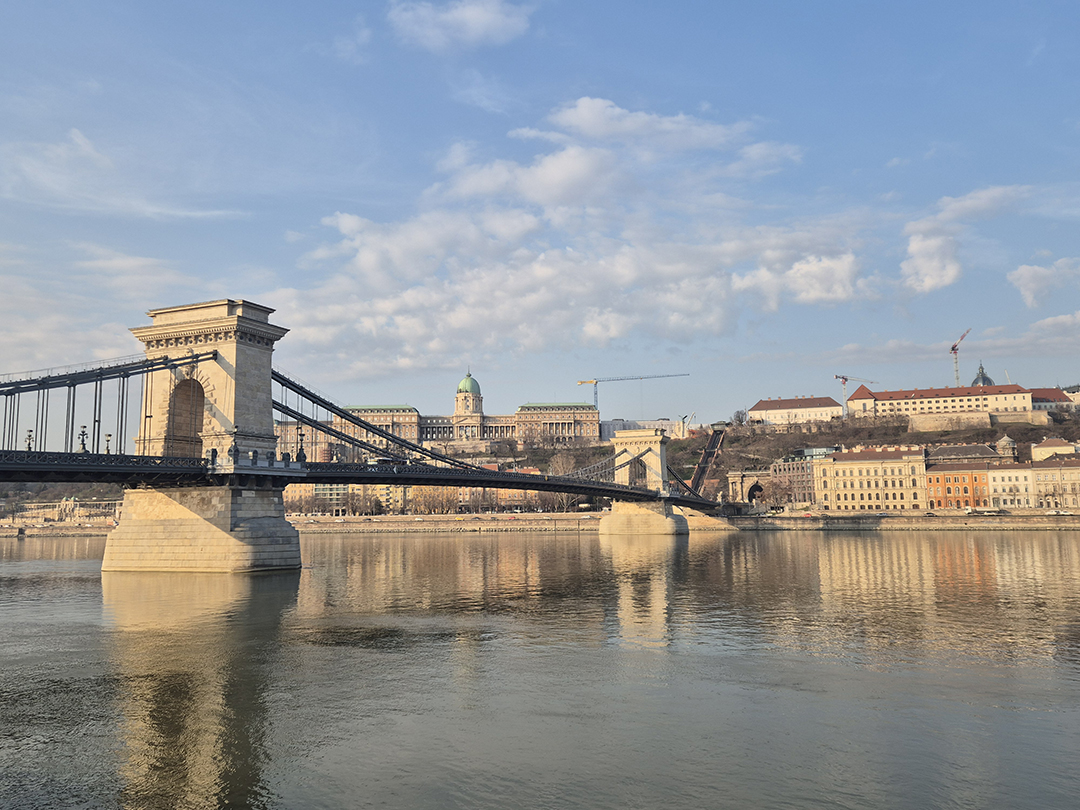
Buda Castle stands above the Danube on Castle Hill. Its history dates back to the 13th century, when a fortified residence was built to protect the city after the Mongol invasions. Over the centuries, the castle was expanded and rebuilt several times, and by the 15th century it had become one of the most important Renaissance sites in Central Europe. The castle was badly damaged during the Second World War and underwent extensive restoration in the second half of the 20th century.
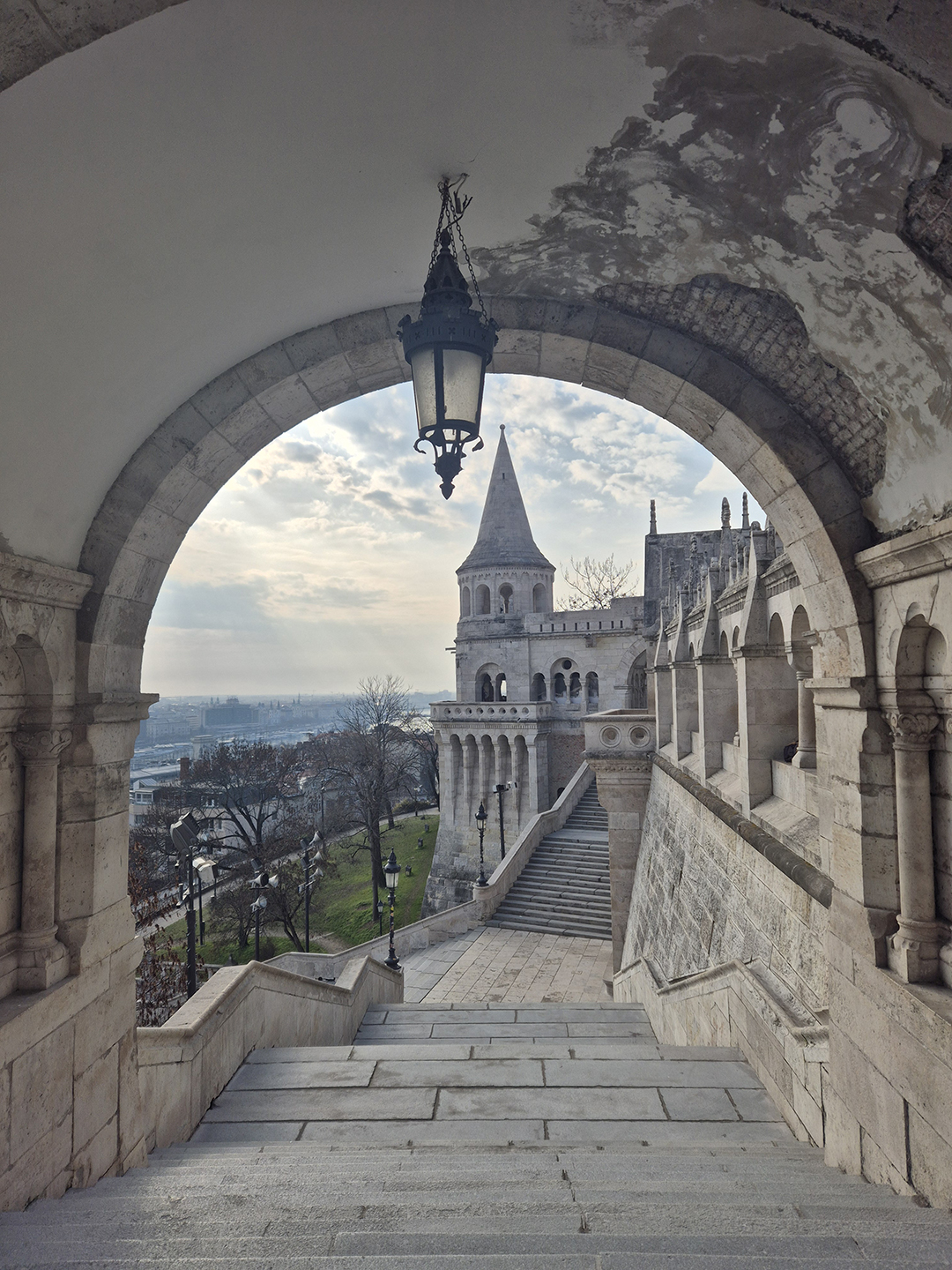
Fisherman’s Bastion on Castle Hill is one of Budapest’s most enchanting sights. Despite its medieval appearance, it isn’t a real fortress but a viewing terrace built at the end of the 19th century to mark a thousand years of the Hungarian state. Its name dates back to the Middle Ages, when local fishermen are believed to have guarded this section of the city walls. Today, it’s one of the best places in Budapest to enjoy views over the city.
Matthias Church stands next to Fisherman’s Bastion. The church was built as a royal church in the 13th century and has played a part in many important events over the centuries, including the coronations of Hungarian kings such as Emperor Franz Joseph. During the Ottoman occupation, the church was converted into a mosque and later returned to Christian use. It took on its present appearance at the end of the 19th century.
St Stephen’s Basilica is the largest church in the city and is best known for its 96-metre-high dome, which is the same height as the Hungarian Parliament Building. It is dedicated to St Stephen, the first king of Hungary, who established Christianity in the country in the early 11th century. Construction of the basilica began in 1851 but took more than five decades to complete due to a number of setbacks, including the collapse of the original dome.
Andrássy Avenue is one of Budapest’s best-known streets and connects the city centre with Városliget City Park. Andrássy Avenue was built in the second half of the 19th century, at a time when Budapest was growing rapidly. It was designed to resemble the grand boulevards of Paris, with elegant façades, wide pavements and rows of trees that give the avenue its distinctive character.
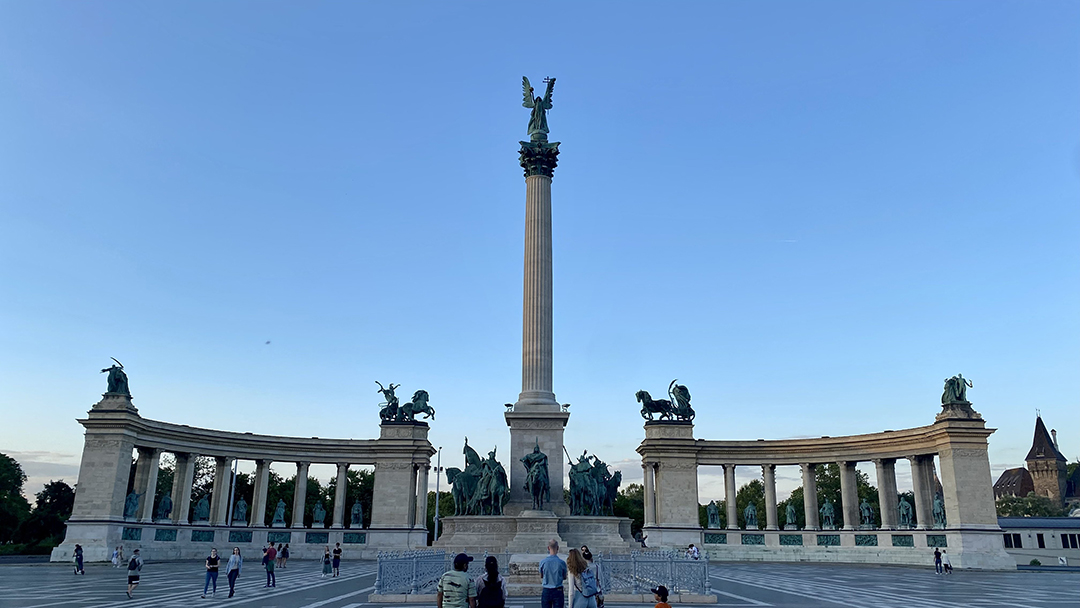
Heroes’ Square stands at the entrance to Városliget City Park and is one of the most important squares in Budapest. At the centre of the square stands the impressive Millennium Monument, which was completed in 1896 to mark a thousand years since the Hungarians arrived in the Carpathian Basin. Throughout the 20th century, the square was the setting for many state ceremonies, political events and cultural celebrations, and still holds great symbolic importance today.
Citadella is a historic fortress on Gellért Hill, with one of the best views over Budapest. It was built in the mid-19th century on the orders of the Austrian military authorities, who wanted to strengthen their control over the city after the Hungarian Revolution of 1848 was suppressed. The Liberty Statue also stands on the hill beside the fortress. It was built in 1947 to commemorate the liberation of Hungary.
Margaret Island is a long, green island in the Danube between Buda and Pest, and was once home to several monastic communities during the Middle Ages. With its peaceful surroundings, walking paths and parks, the island offers a break from the bustle of the city and is a popular place for recreation.
The Széchenyi Thermal Baths in Városliget City Park are the largest thermal bath complex in Budapest. They were built in a Neo-Baroque style in 1913, when Budapest was already known for its thermal springs, fed by natural sources deep beneath the city. They are known for their unique outdoor bathing experience, even during the colder months, when steam rises above the pools against the backdrop of the distinctive yellow building. An alternative is the Gellért Baths in the famous Gellért Hotel. They are smaller, more elegant and quieter, with a more luxurious feel.
Budapest is much more than the capital and largest city of Hungary. It’s full of history, beautiful views and unforgettable experiences. Its streets tell stories of the past and its grand buildings reflect the city’s rich heritage, while each bridge connects more than just the two sides of the river – it also brings together different chapters of Budapest’s history.

Copyright (©) 2010 - 2026 Youth Hostel | Our Privacy Policy | Cookies | | RPC