With just over 900,000 people, Amsterdam is seen as the cultural capital of the country and has more than 450 museums, which is the most per person in the world. The Netherlands has shaped European art throughout history, especially during the 17th century Dutch Golden Age, and today it stays vibrant and open to contemporary art. It was this intertwining of history, open-mindedness, and easy access to culture that led us to pick museums that each share their own story about people, society, and the times.
My partner and I recently moved to the Netherlands. A new country, a new environment, and a different way of life quickly made us start exploring the place through its art and culture. For our first major cultural trip, we chose Amsterdam. The city is known as one of Europe’s most important art centres. In January 2026, we visited three of its most famous and popular museums: the Van Gogh Museum, the Rijksmuseum, and the Anne Frank House.
Buying tickets is easy. For all three museums, the easiest way is to book directly through their websites, which guide you step by step in choosing the day and time of your visit. We suggest booking at least a few days ahead. If you are visiting from Friday to Sunday, give yourself even more time to avoid long waits and crowds. Entry to the museums is smooth and well organised. All of them offer a cloakroom, which is free of charge. They all have cosy cafés with snacks, though the prices are a bit higher than elsewhere. You cannot take photos in the Anne Frank House, but it is allowed in the other two museums.
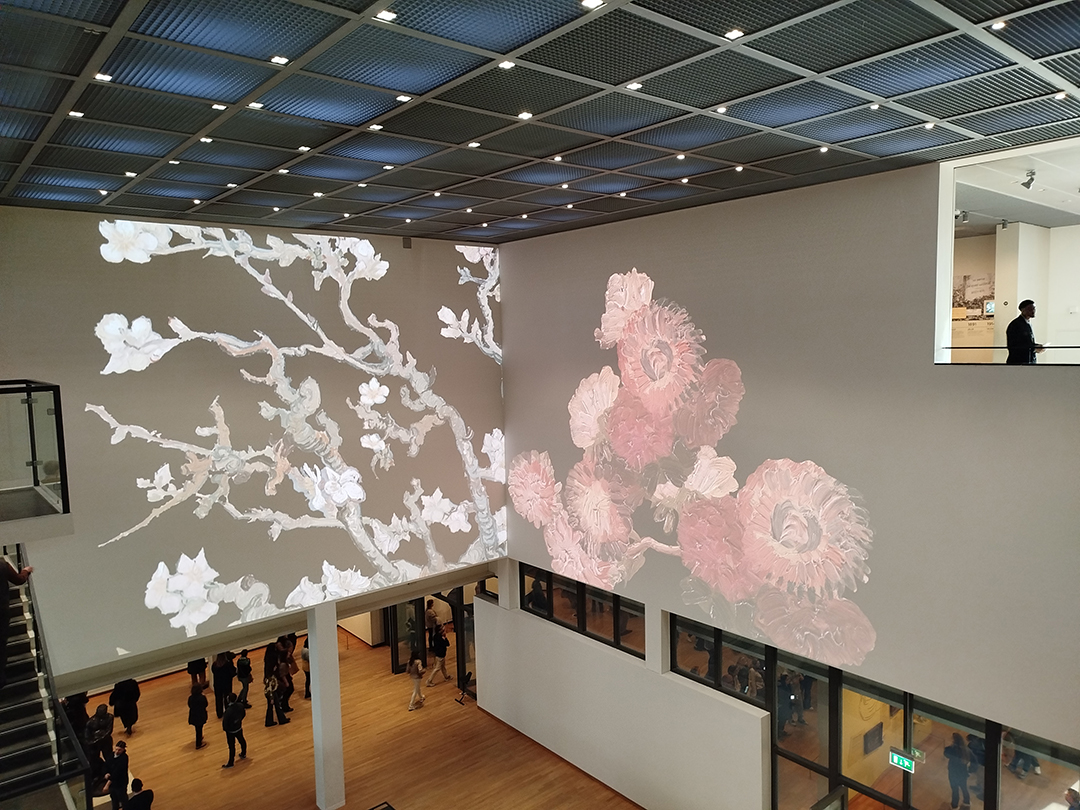
Visiting the Van Gogh Museum is a chance to connect with an artist who was misunderstood in his lifetime but is now considered one of the most influential painters of all time. The museum holds the largest collection of his works in the world and takes visitors on a chronological journey through Van Gogh’s short but incredibly intense creative life.
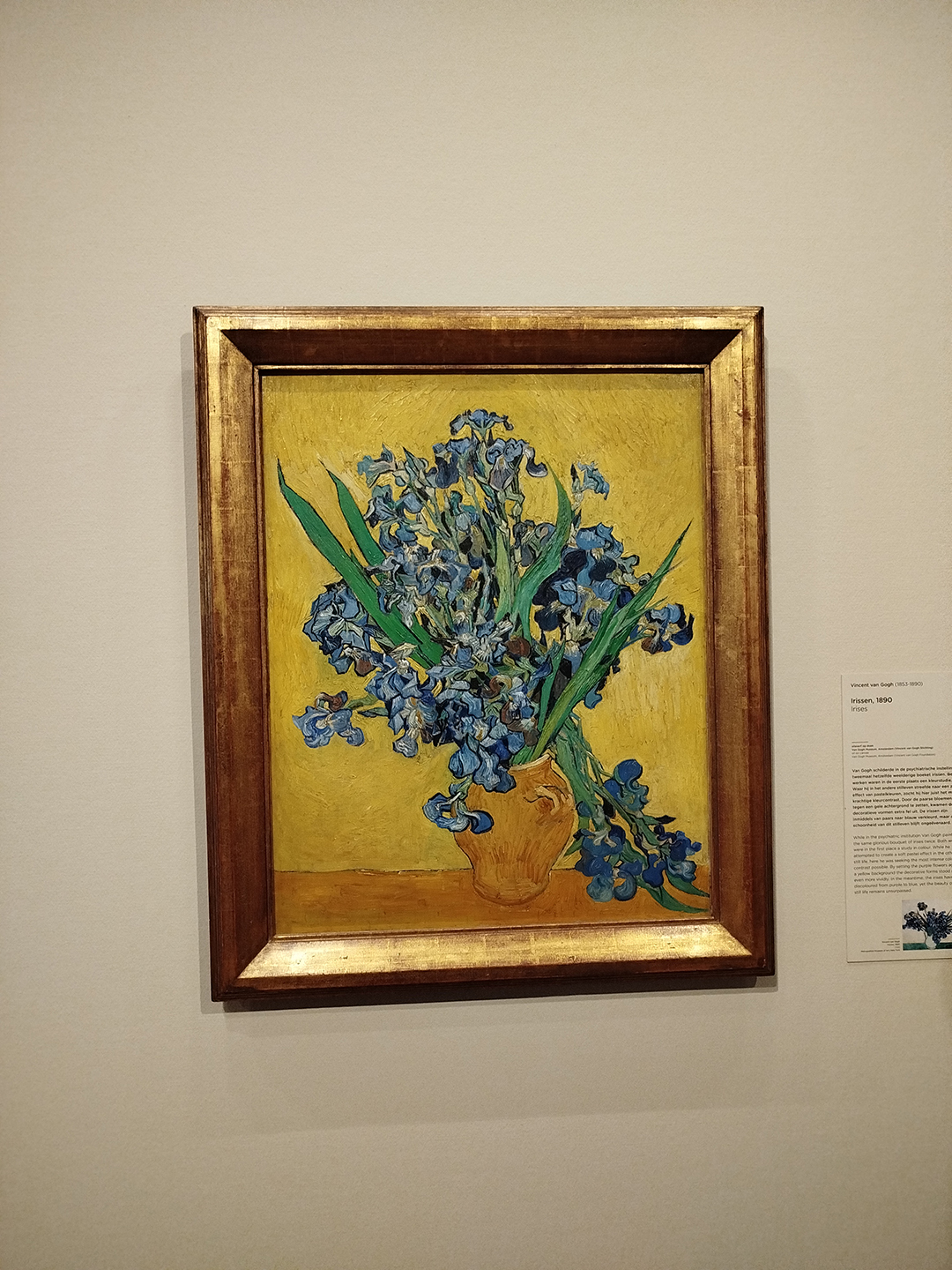
Vincent van Gogh was born in 1853 in Zundert, in the Netherlands. He did most of his work in the last decade of his short life, when he created most of the pieces that are famous today. Despite his extraordinary creativity, he struggled with mental health issues throughout his life and was almost completely unrecognized while he was alive. He died in 1890 at the age of 37 from a gunshot wound, which most historians believe was self-inflicted. Only after his death did he become one of the most influential and recognised artists in the history of Western art.
The artist’s inner struggles, sensitivity, and immense dedication to painting are revealed in the early, dark scenes of the Dutch countryside as well as the vibrant colours of southern France. Paintings like Sunflowers, Bedroom in Arles, and Wheatfield with Cypresses are not just visually striking, they also convey emotions and reflect Van Gogh’s moods.
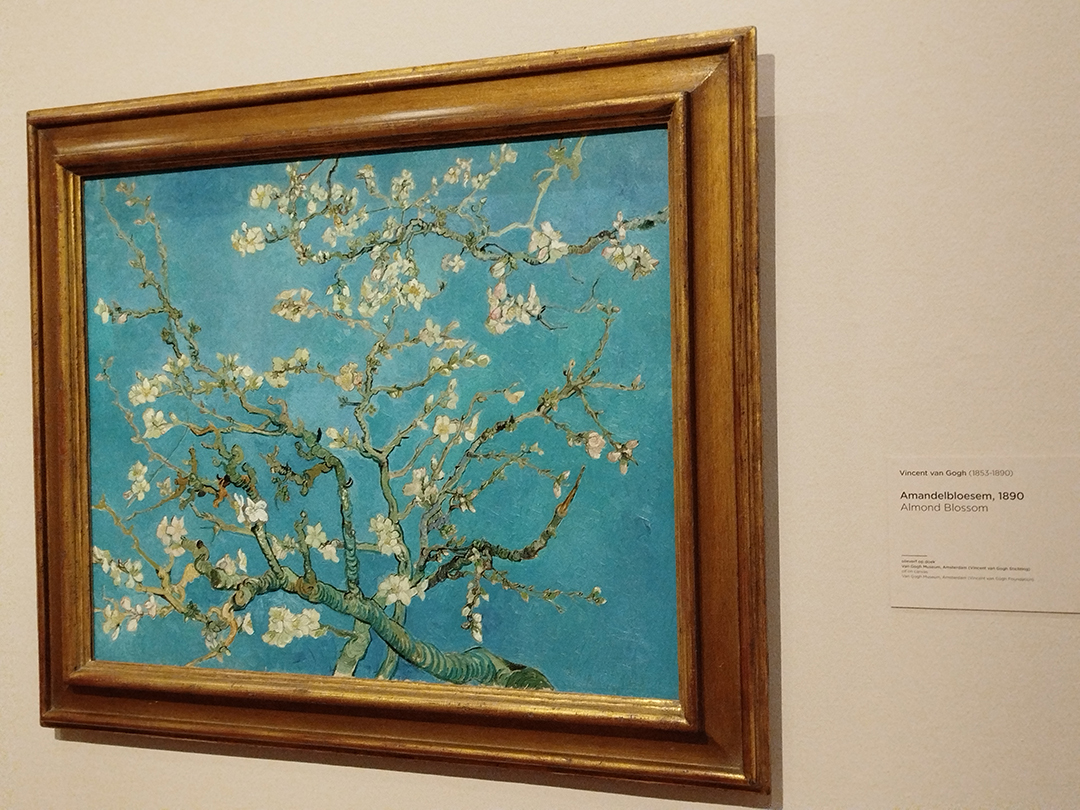
Here are a few interesting details that show how his inner struggles connect with changes in his style and mood:
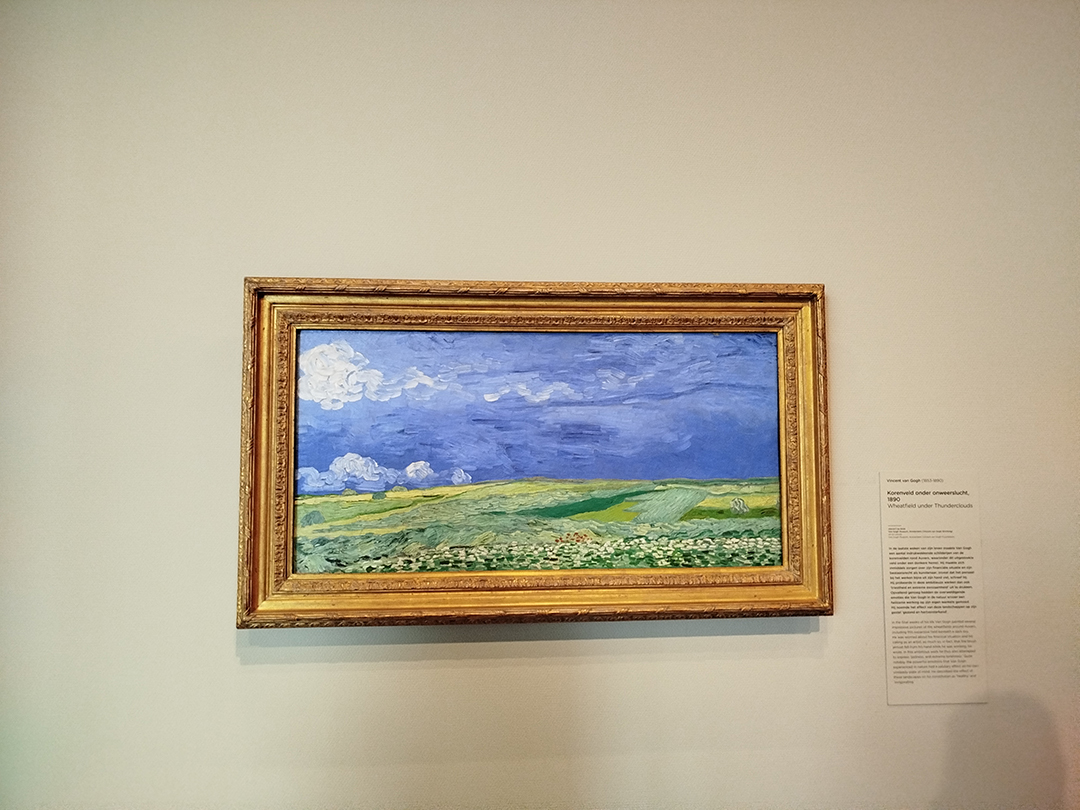
Vincent wrote about creativity, being different, and the price it demands: "Normality is a paved road: it is comfortable to walk, but no flowers grow on it."
I invite you to visit their online collection HERE.
The Rijksmuseum is the biggest and most important museum in the Netherlands. It is a great place to get a sense of the country’s identity. Inside the magnificent building, more than eight centuries of history are on display, from medieval artifacts to the painting highlights of the Golden Age. I recommend, you give yourself plenty of time to visit this museum. We spent almost three hours there, and even then, we did not stop for long at many of the exhibits.
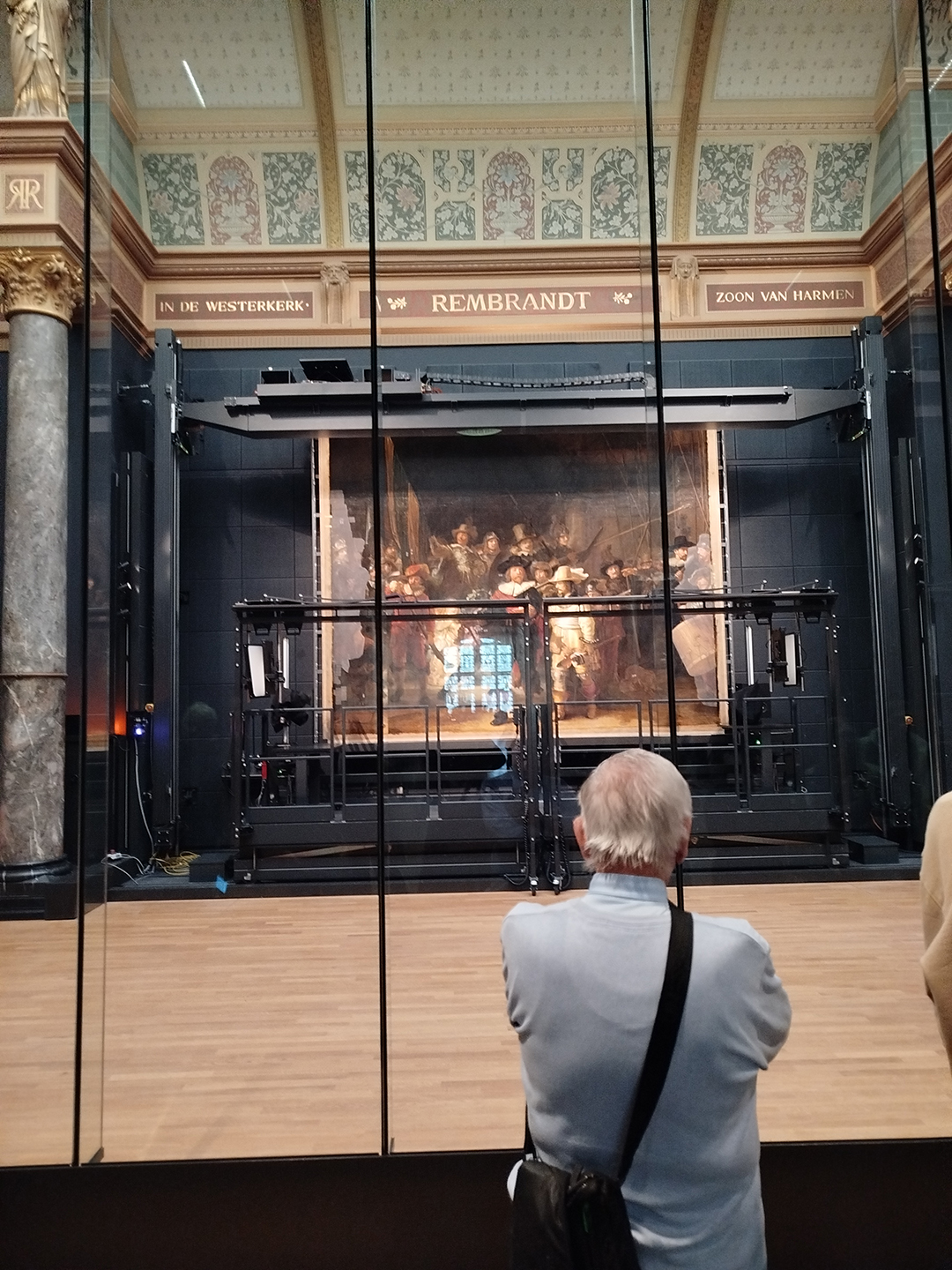
The highlight of the museum is Rembrandt’s Night Watch, but the sections on everyday life are just as fascinating. They cover maritime history, trade, scientific advances, design, and crafts. The museum helps visitors understand how a small coastal country grew into a global trade and cultural power.
Rembrandt van Rijn was born in 1606 in Leiden, the Netherlands. He is considered one of the greatest painters and printmakers of the Dutch Golden Age, known especially for his masterful use of light and shadow. During his life, he created an extraordinary body of work, including portraits, biblical scenes, and historical paintings. Despite his artistic success, he faced personal tragedies and financial ruin. He died in 1669 in Amsterdam and is now known as one of the most influential artists in history.
The image below shows the restoration of Rembrandt’s painting The Night Watch, part of the Operation Night Watch project that has been running since 2019. They first focused on extensive scientific research of the painting. The actual conservation work began in 2024. The project has been underway for about six years and is considered one of the most challenging art restorations in the world.
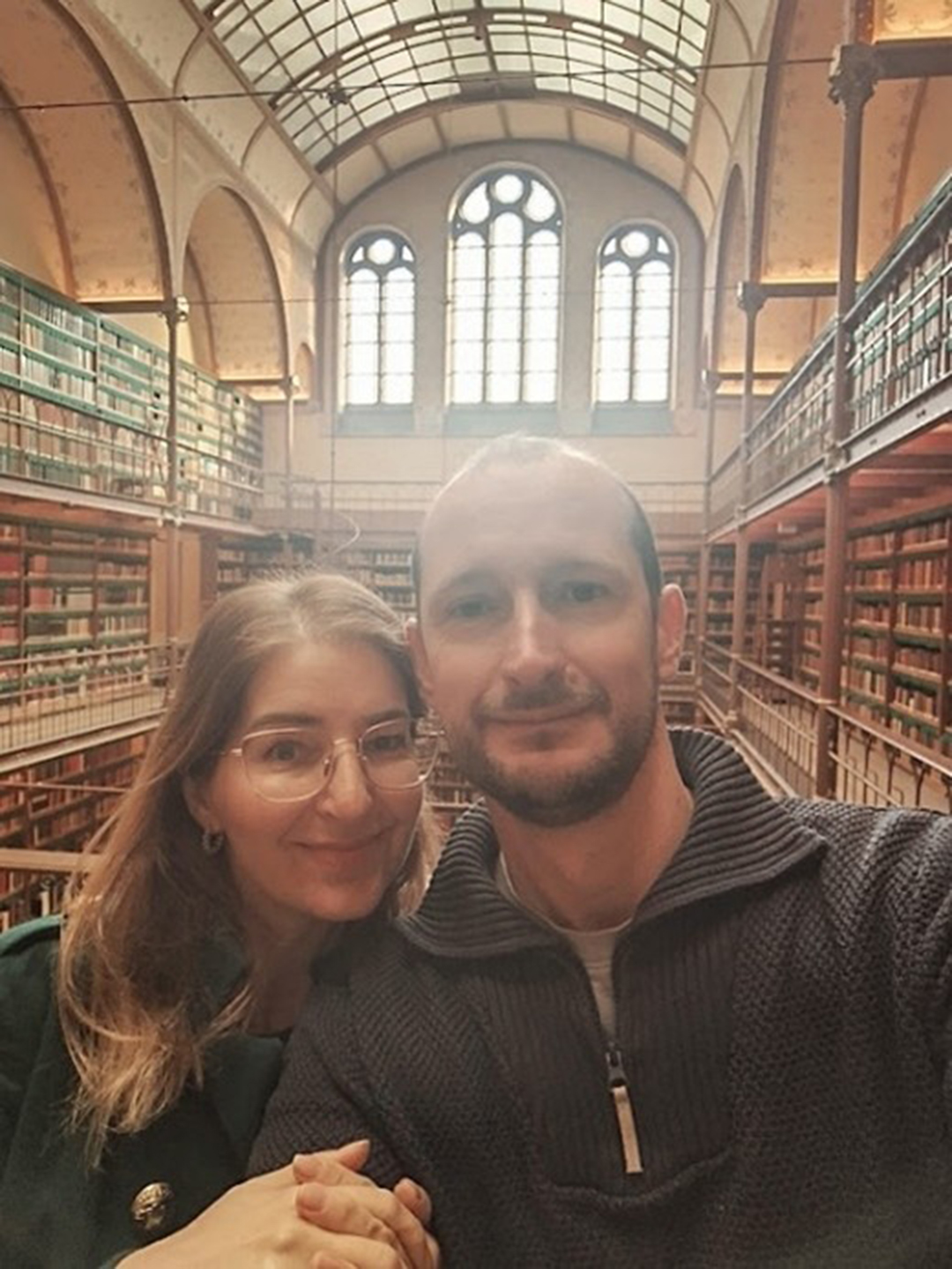
The Rijksmuseum Library is the largest and most important art history library in the Netherlands. It was founded in 1885 and now holds over a million books, catalogues, and documents on art and history. Its interior, with metal galleries and spiral staircases, is considered one of the most beautiful museum libraries in the world. The library is open to researchers and visitors, and access is free. Besides its role as a research library, it is also a popular photography spot and an architectural gem of the museum.
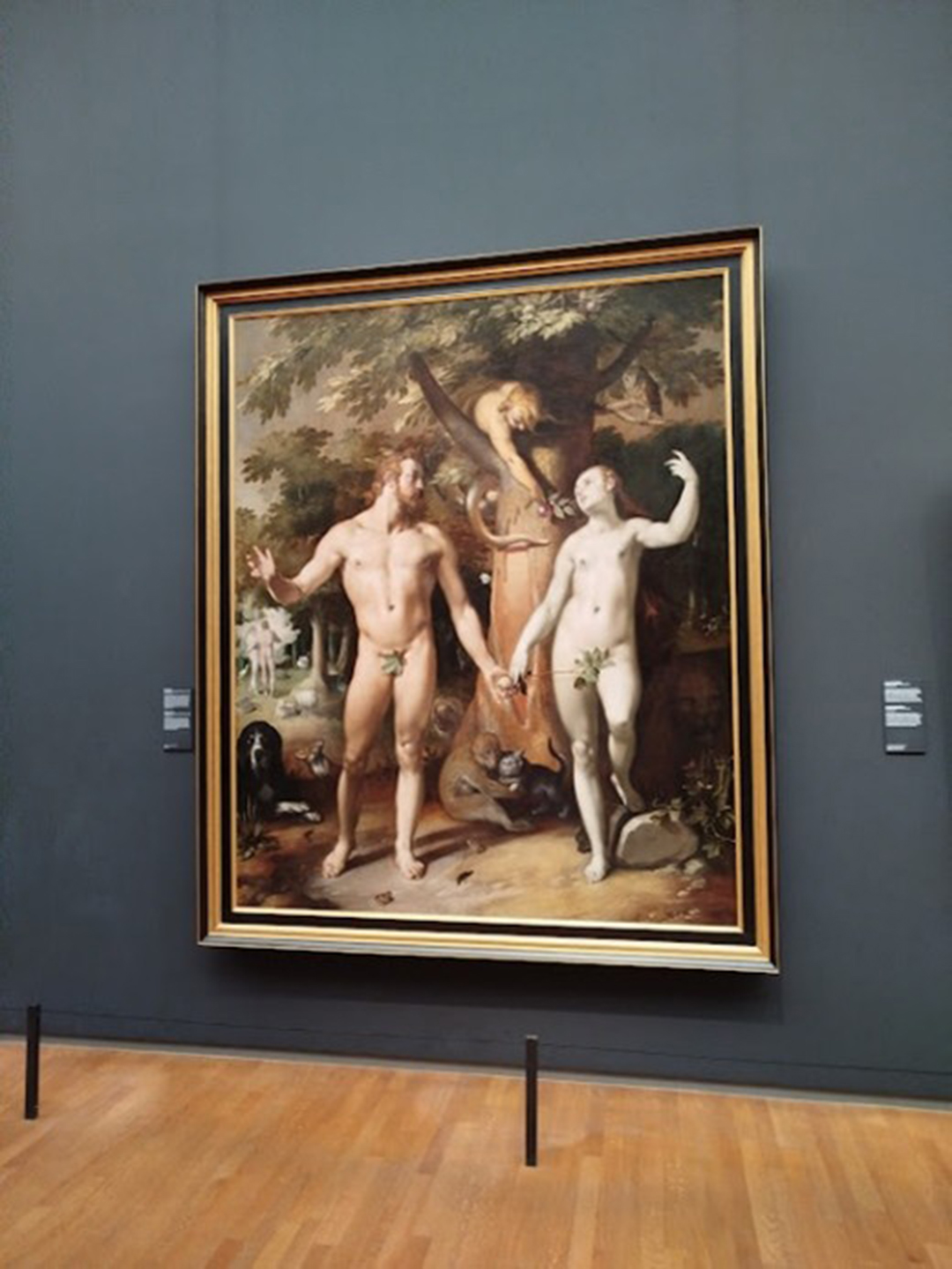
Another remarkable aspect of the Rijksmuseum is its modern approach to history. It does not shy away from topics like colonialism and social inequality but includes them in a broader discussion about the past and the present. It is this sincerity that gives the museum a sense of topicality.
The online collection can be found HERE.
The Anne Frank House is a completely different museum experience. It is an authentic place that often leaves visitors speechless. During World War Two, Anne Frank and her family hid in the house on the Prinsengracht canal, where she wrote the diary that became one of the most important literary testimonies of the 20th century.
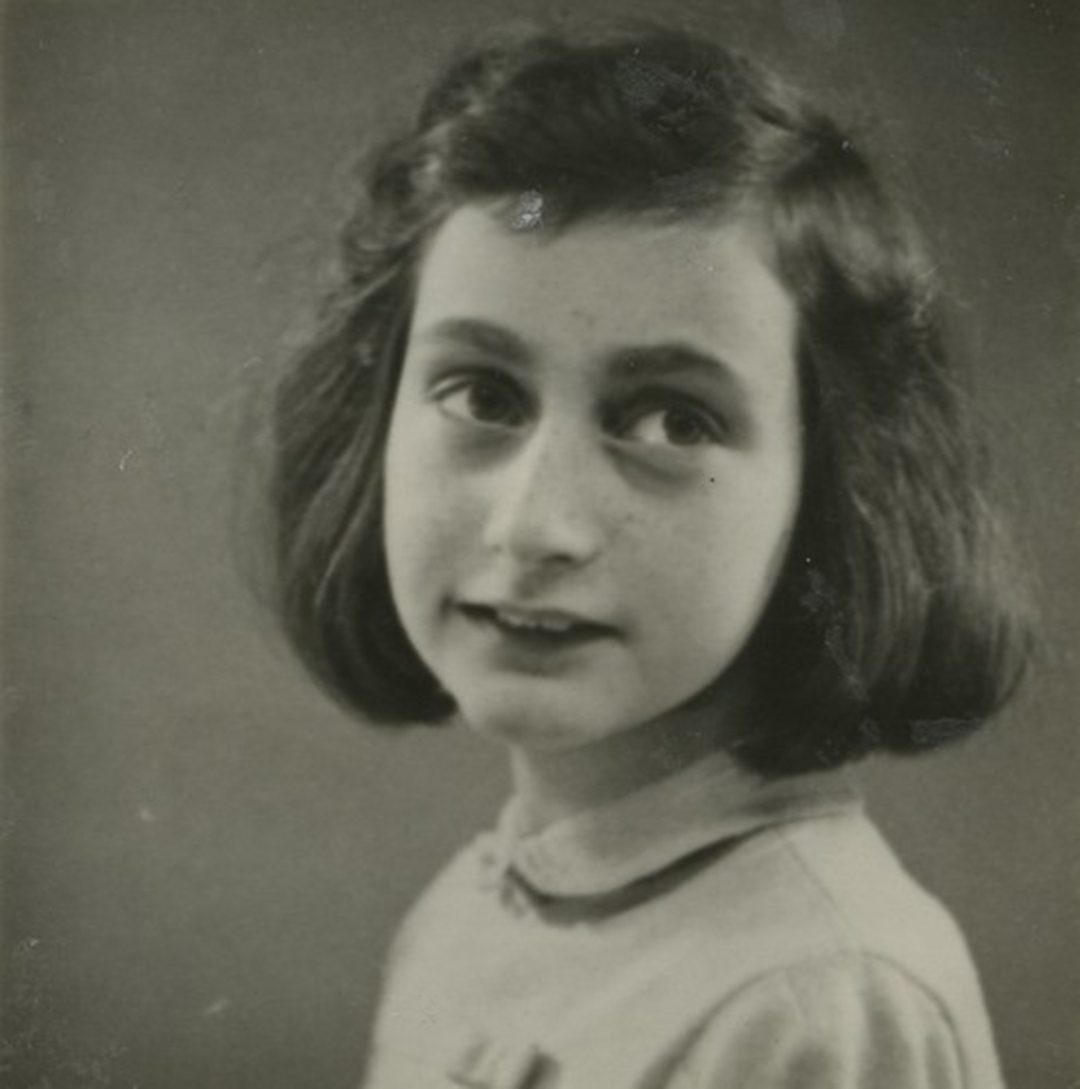
The narrow rooms behind the hidden bookcase passage still feel almost intact. Visitors feel a sense of anxiety, but also the incredible courage of a young girl who, despite her fear, kept her faith in humanity. Today the museum also serves as an international educational centre for human rights.
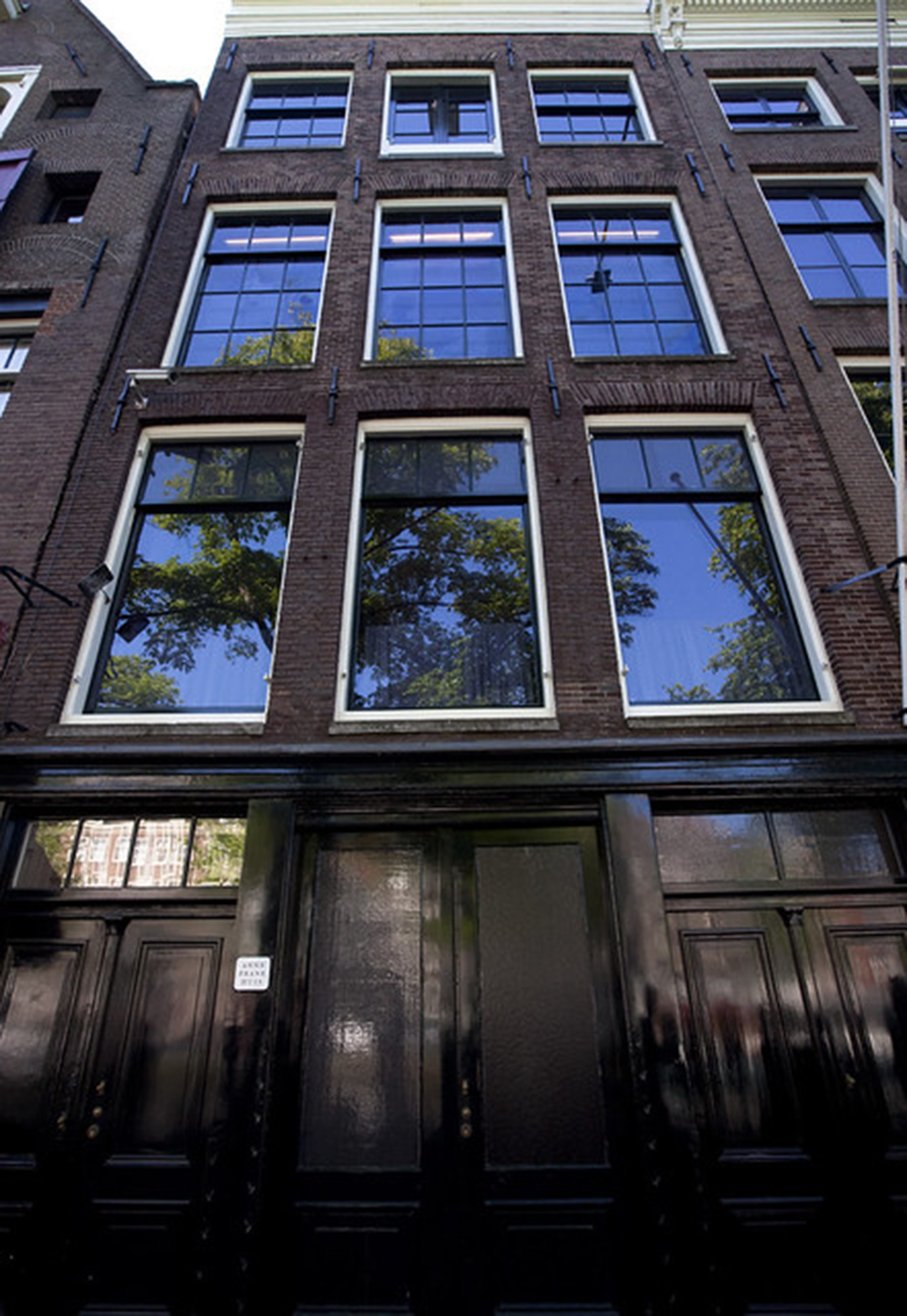
In the Secret Annex, the residents had to live very quietly and carefully, as any sound could give them away. Their day started early, taking turns using the bathroom and uncovering the blackout windows. During working hours downstairs, they stayed almost completely still and silent in the rooms above. They spent their time reading, studying, writing, and listening to the radio, while Anne kept up with her diary every day. At noon, helpers brought them food and news from the outside world, which was one of their few connections to life beyond the Annex. In the evening, they prepared dinner, talked, and then covered the windows again. The days were long and tiring, but they tried to stick to a routine and stay hopeful. Sundays were especially quiet and dull, spent on cleaning and resting.
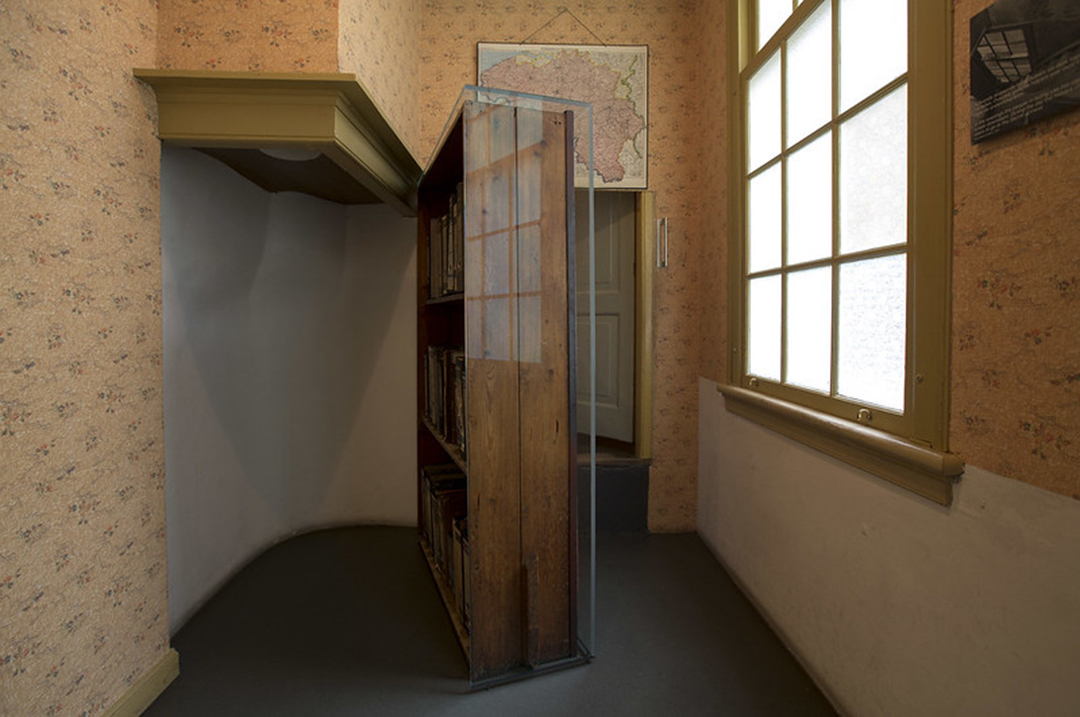
“In spite of everything I still believe that people are really good at heart. I simply can’t build up my hopes on a foundation consisting of confusion, misery, and death. I see the world gradually being turned into a wilderness, I hear the ever approaching thunder, which will destroy us too, I can feel the sufferings of millions and yet, if I look up into the heavens, I think that it will all come right, that this cruelty too will end, and that peace and tranquility will return again.”
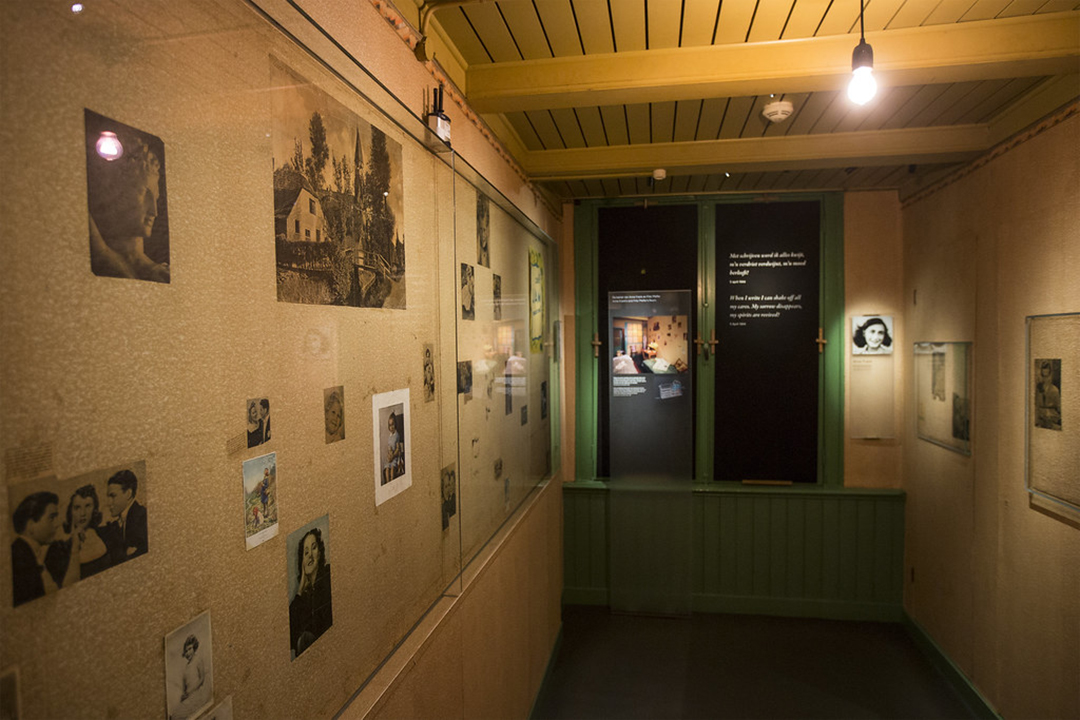
These three museums were the perfect introduction for us to get to know Amsterdam and the Netherlands. Each one offers a different perspective. One shows an artist’s inner world, another the collective memory of a nation, and the third the personal story of someone caught up in a historical turning point.
Our visit was just the beginning. We know that the Netherlands holds many more cultural centres, galleries, museums, and stories, from The Hague and Rotterdam to smaller, lesser-known places. Our exploration continues, and we are sure that art is one of the best ways to really get to know a new country.

Copyright (©) 2010 - 2026 Youth Hostel | Our Privacy Policy | Cookies | | RPC