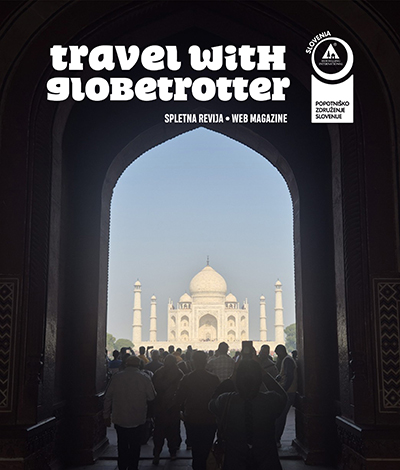
India is difficult to compare to any place in the world, as life there moves to a different beat. It often leaves first time visitors stunned, both in good ways and bad, yet that difference carries a certain charm. Here you might begin to understand the seemingly incomprehensible, and culture shock is only a small part of it. India is too often portrayed as dirty and neglected, which means many people overlook the beauty the country offers, along with the remarkable hospitality of its people.
By area, India is the seventh largest country in the world, yet with more than 1.4 billion people it is also the most densely populated. This civilisation, which now accounts for almost a fifth of the world’s population, has existed for over 4,500 years. India has 22 official languages, with Hindi and English the most widely spoken, and more than 1,600 dialects in use. Diversity can be seen in religion as well, but Hinduism is the most common faith. Hinduism regards cows as sacred, so do not be surprised to see them wandering in the middle of Indian cities. This is also the main reason why more than half the population is vegetarian. Always remember to ask for food without spice, as it will still be quite hot.
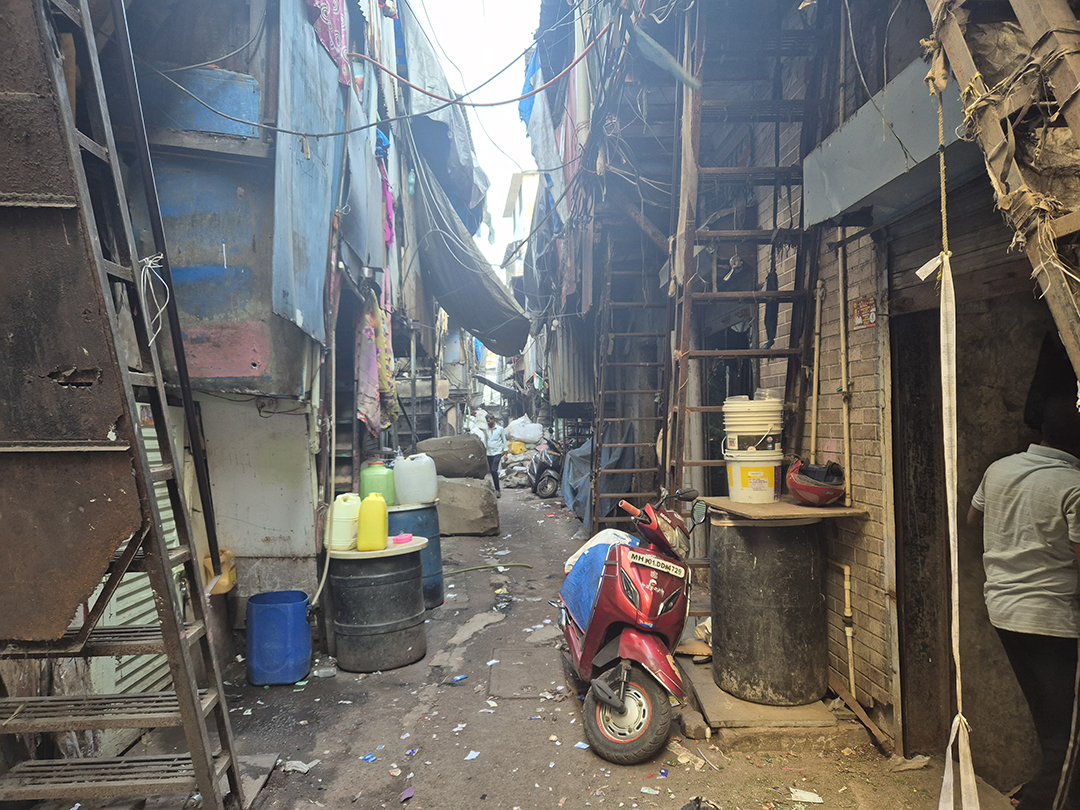
India is a land of contrasts, where poverty and wealth exist side by side. As you stroll through Mumbai, you will continually pass from towers to slums. More than 80 million Indians live below the poverty line, yet Dharavi, Asia’s largest slum, is also considered one of Mumbai’s economic hubs. In the capital, Delhi, the new and old parts feel like two completely different cities. The difference between them is enormous, with all the main government buildings in the new part, while the main streets of the old part are often flooded with sewage.
It is precisely because of the differences you will encounter that proper preparation before visiting is essential. To travel to India, you will need a visa, which you can easily get through the Indian Visa Online website. You can apply for a tourist e-visa for one month, one year, or five years, but it must be requested at least four days before arriving in the country. Vaccinations are not required for travel to India, but it is a good idea to have protection against hepatitis A and B, tetanus, and typhoid.
The official currency in India is the rupee, and for a rough guide, one euro is worth a little over 100 rupees. You will need to carry cash in India, as card payments are rarely accepted at markets or street stalls. Prices in India are very low by European standards, and a meal in a restaurant will cost you only a few euros.
If you stick to the bigger cities and tourist spots, there is no need to worry too much about general safety. The authorities only advise against travel to the union territory of Jammu and Kashmir along the border with Pakistan. Theft is uncommon in India, but as anywhere, it is important to keep an eye on your belongings. Indians are not aggressive, but they can be persistent and are skilled at various scams. Therefore, do not forget to use common sense.
You need to be extra careful on the roads, as India has the highest number of traffic-related deaths in the world. Traffic rules are loosely followed, and even crossing the road can be quite a challenge. Because of the chaos on the roads, renting a car is not recommended. Uber and similar apps are very affordable.
Another major issue is the safety of solo female travellers. Unfortunately, India is considered one of the most dangerous countries for female tourists, with some reports suggesting a rape occurs every eighteen minutes. This means it is essential for women not to be out alone late at night or in isolated areas, and to arrange safe, private accommodation.
One of the biggest risks to a ruined trip lies in the widespread poor hygiene. To avoid stomach problems, I strongly advise you to skip street food and drink only bottled water. It is also wise to get travel insurance with overseas assistance and to take probiotics during your trip. When you arrive, allow yourself some time to adjust because the air is very polluted, especially in big cities. The best time to visit India is in the winter months, from December to March, when temperatures are milder and rainfall is low.
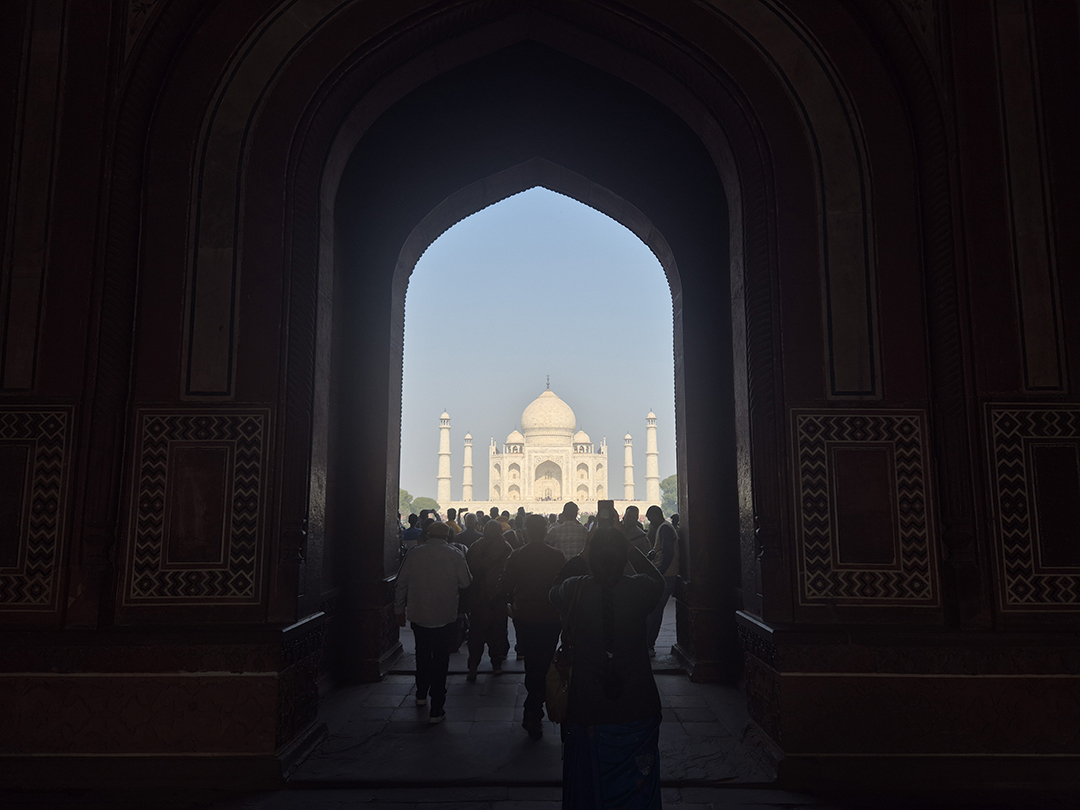
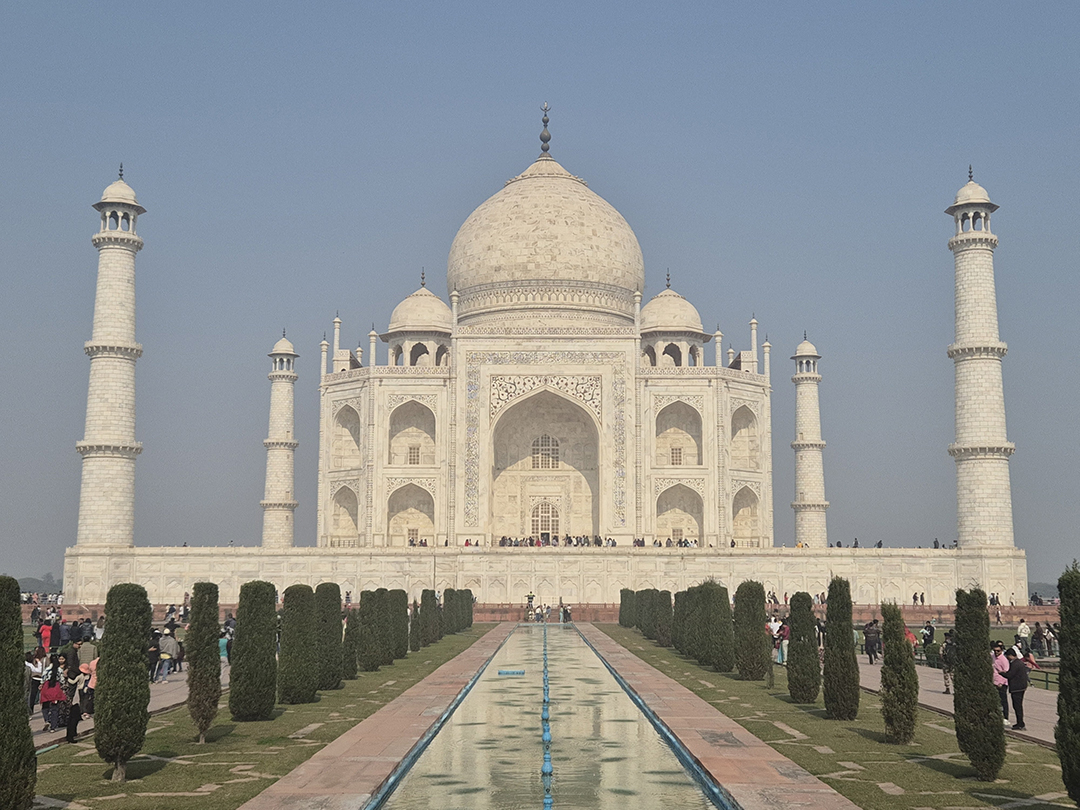
Despite all the beauty India has to offer, it seems that all roads lead to the Taj Mahal, which represents love for the Indian people. At first sight, you realise that the Taj Mahal does not just meet expectations, it exceeds them. The tomb in Agra was commissioned by the Mughal emperor Shah Jahan in memory of his beloved wife Mumtaz Mahal, who died during childbirth. Construction began in 1632 and took around 22 years, involving over 22,000 workers and more than a thousand elephants. The Taj Mahal is built from white marble and perfectly symmetrical, but perhaps its greatest feature is that it changes colour with the light throughout the day. Legend has it that Emperor Shah Jahan wanted to build a black Taj Mahal for himself, but all that remains is the white one, which is counted among the seven new wonders of the world.
The atmosphere in India is a challenge even for experienced travellers, but once you accept it as it is, you immediately realise you are in one of the most beautiful places in the world. India’s diversity is reflected in all the riches the country has to offer. From the town of Shimla, it is possible to venture into the Himalayas, the highest mountain range in the world. Here temperatures can drop to minus 30 degrees, while in the Thar Desert along the border with Pakistan, they can rise above 45 degrees. India has six cities with more than ten million people, the largest of which is Delhi, with over 35 million residents. Cities are chaotic, but if you want peace and relaxation, you will find it in southern India or on the tropical beaches of Goa and Kerala.

Copyright (©) 2010 - 2026 Youth Hostel | Our Privacy Policy | Cookies | | RPC