Brussels has been the capital of Belgium since the country was founded in 1830, and it’s also its largest city. A lot of people picture it as a grey place full of arrogant officials. But that image couldn’t be further from the truth, because Brussels is an architecturally vibrant city where anyone can feel at home. It is a meeting point of cultures, almost like a little world of its own, with more than half of its residents born outside Belgium. The city is officially bilingual, but out on the streets you’ll hear languages from all over the world.
The name Brussels comes from the old Dutch word “Broekzele”, meaning “settlement in the marsh”. Around 979, a fortress was built on an island in the River Senne, and over time a trading settlement grew around it. By the 13th century, it already had city walls and a thriving craft industry. The city was occupied by German forces during both world wars, but luckily it avoided the level of destruction seen in some other Belgian cities. After the Second World War, Brussels was chosen as the headquarters of many international organisations thanks to its central location and neutral stance.
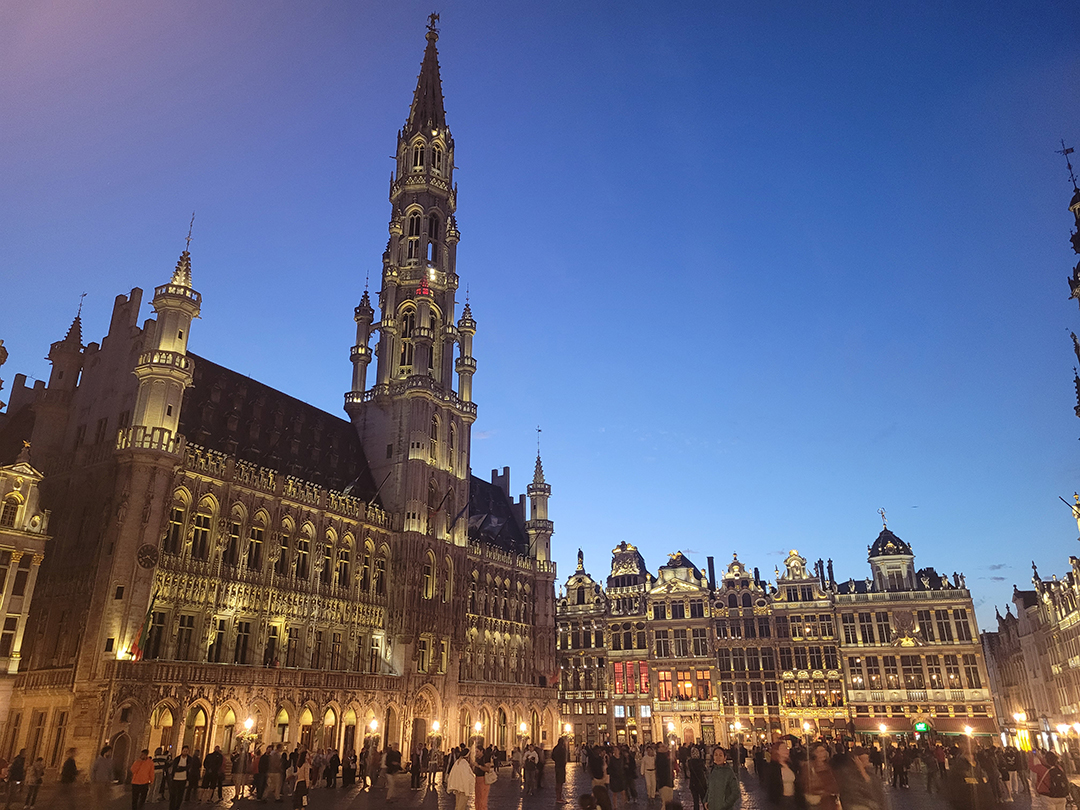
Most of the city’s lively atmosphere is centred around the Grand Place. The square developed during the Middle Ages as the city’s main trading hub. In 1695, it was almost completely destroyed during a French bombardment, but the locals rebuilt it remarkably quickly. It’s known for its lavish late 17th-century buildings, richly decorated facades, and striking architectural harmony. The most recognisable building of them all is Brussels Town Hall, which is over 600 years old and still retains its original medieval character.
In 1967, the executive bodies of the European Communities merged into a single institution, forming what is now the European Commission, with its headquarters established in Brussels. EU member states never fully agreed on a single capital for the Union, so its institutions ended up being split between Brussels, Strasbourg, and Luxembourg. Brussels is home to the EU’s main institutions, with the European Quarter hosting the European Commission, the Council of the European Union, the European Council, and part of the European Parliament. If you’d like to get a better understanding of how the European Union and European democracy work, it’s well worth visiting the interactive Parlamentarium museum, which forms part of the European Parliament complex.
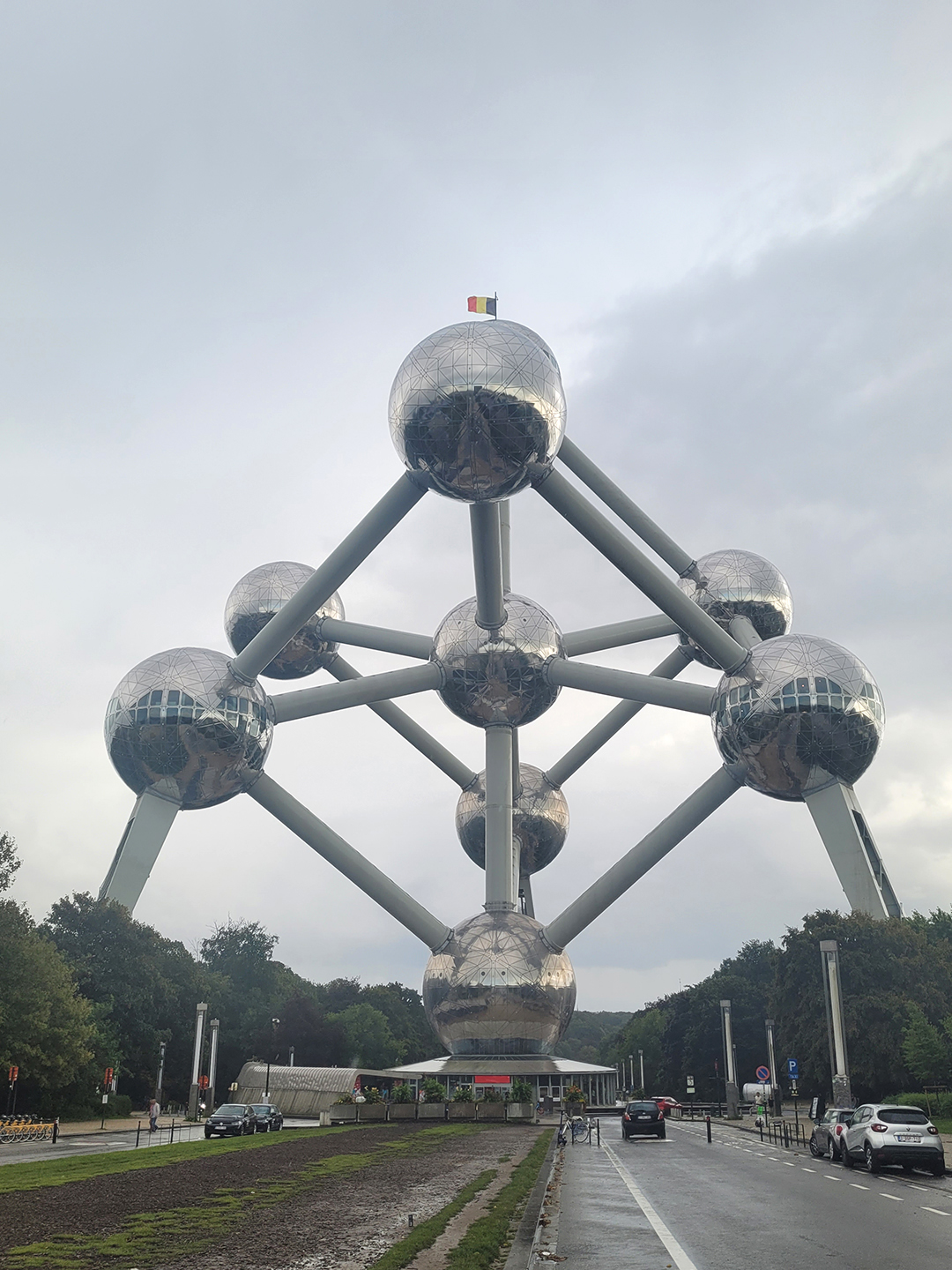
The Atomium is one of Brussels’ most recognisable landmarks. This 102-metre-tall steel structure was designed to resemble an iron crystal magnified 165 billion times. The Atomium, made up of nine interconnected spheres, was built for Expo 58, the 1958 World’s Fair. It was originally intended as a temporary structure but became so popular that they decided to keep it permanently. Visitors can head up to the viewing platform for panoramic views across the city and also visit the science and design museum nearby.
The Royal Palace is the Belgian king’s official residence in Brussels, although the royal family doesn’t live there, and it’s mainly used for official receptions, state ceremonies, and formal events. The palace was built in the early 19th century and stands beside Brussels Park.
Manneken Pis is a quirky little bronze statue of a boy peeing into a fountain. The statue was first installed around 1619, although several legends surround its origins. One story says the boy put out a fire by peeing on it, while another claims he was a brave child who saved the city from danger. Over the centuries, the statue has been stolen and damaged several times, but it has always been restored, and later the city even added statues of a little girl and a dog, both caught peeing as well.
Mont des Arts, or the Hill of the Arts, is Brussels’ cultural quarter, known for its museums, gardens, and panoramic views across the city. The area took on its present-day appearance during the 20th century, partly as an effort to connect the upper and lower parts of the city.
The Saint-Hubert Galleries opened in 1847 and were among the first covered shopping arcades in Europe. They were built during the industrial era, when the city wanted to create elegant, covered promenades for wealthy residents. Today, they’re home to luxury boutiques, restaurants, and cafés.
Saint Michael and Saint Gudula Cathedral is considered Brussels’ main church and is also one of the country’s most important Gothic cathedrals. It’s named after the Archangel Saint Michael and Saint Gudula, the patron saints of the city. The cathedral was built between the 13th and 16th centuries and later restored in the 19th century.
Brussels has more than 8,000 hectares of green space, offering plenty of room to relax, go for a walk, or enjoy the outdoors. Brussels Park is the city’s largest park and sits right opposite the Royal Palace. Cinquantenaire Park is best known for its monumental triumphal arch and the museums surrounding it. There’s also Leopold Park in the European Quarter, which is close to many of the EU institutions.
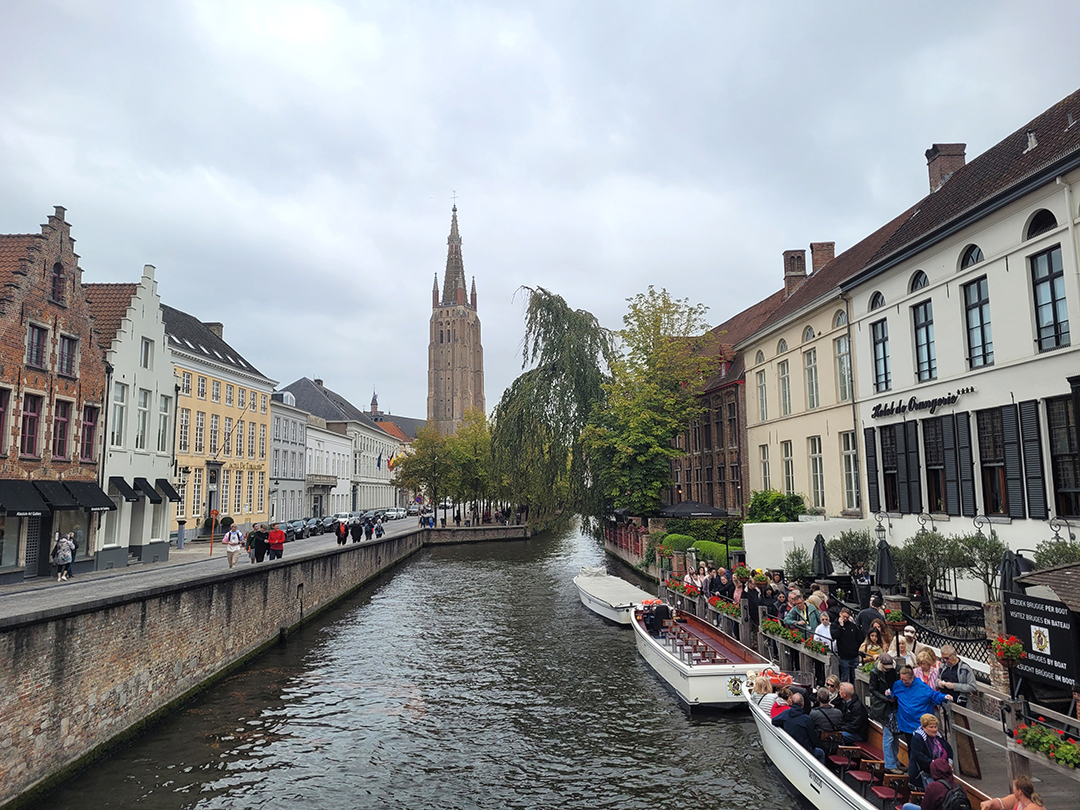
It would almost be a crime to leave Brussels without exploring at least the Flemish part of Belgium as well. Ghent is a beautiful medieval city known for its authentic old town, with cobbled streets, historic churches, and countless canals. Even more picturesque is the romantic city of Bruges, often nicknamed the Venice of the North. It’s considered one of the best-preserved medieval cities in Europe, which is why it was added to the UNESCO World Heritage List.
If you’re still not convinced about visiting Brussels, the food scene might just change your mind. Belgians are famous for their chocolate, especially pralines, and nowhere in the world sells more chocolate than Brussels Airport. Anyone with a sweet tooth will also love the waffles and the traditional speculaas biscuits. Belgium’s most iconic food is probably its fries, traditionally fried in beef fat and often served with Andalouse sauce. And of course, fries taste even better with a Belgian beer, especially when there are more than 1,500 varieties to choose from. So, chances are you won’t come back from Belgium with just great memories, but with a little extra weight as well.

Copyright (©) 2010 - 2026 Youth Hostel | Our Privacy Policy | Cookies | | RPC