Florence is the capital and largest city of Tuscany, one of Italy’s most beautiful regions. The city began as a Roman settlement founded by Julius Caesar in 59 BC. During the Middle Ages, it was one of Europe’s wealthiest places. The city is often described as the birthplace of the Renaissance, which left a huge mark on European art, architecture, and culture between the 14th and 17th centuries.
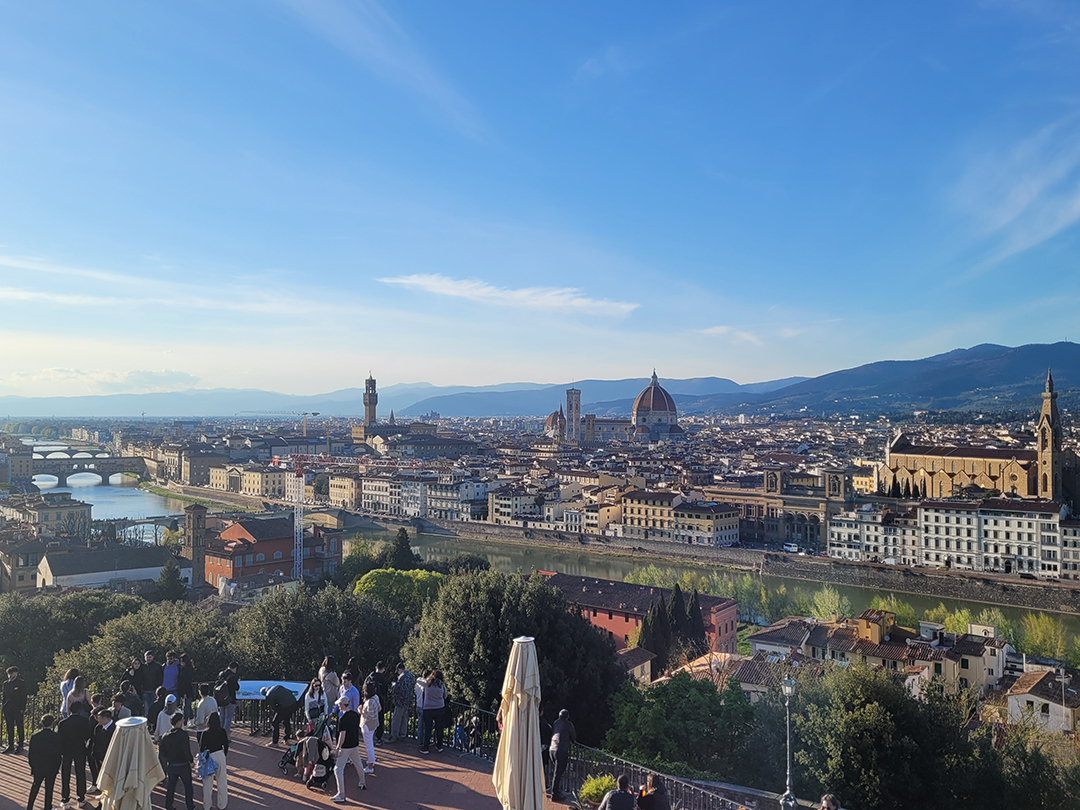
Ponte Vecchio is a medieval stone bridge built across the River Arno in the 14th century, and it’s considered the oldest bridge in the city. It is still full of little shops today, though the old butcher stalls have since made way for jewellers, goldsmiths, and small shops selling art and souvenirs. Unlike the rest of Florence’s bridges, Ponte Vecchio was the only one left standing after the Second World War. Another interesting feature is the tiny passageway known as the Vasari Corridor, which runs above the bridge and links Florence’s town hall with the Uffizi Gallery.
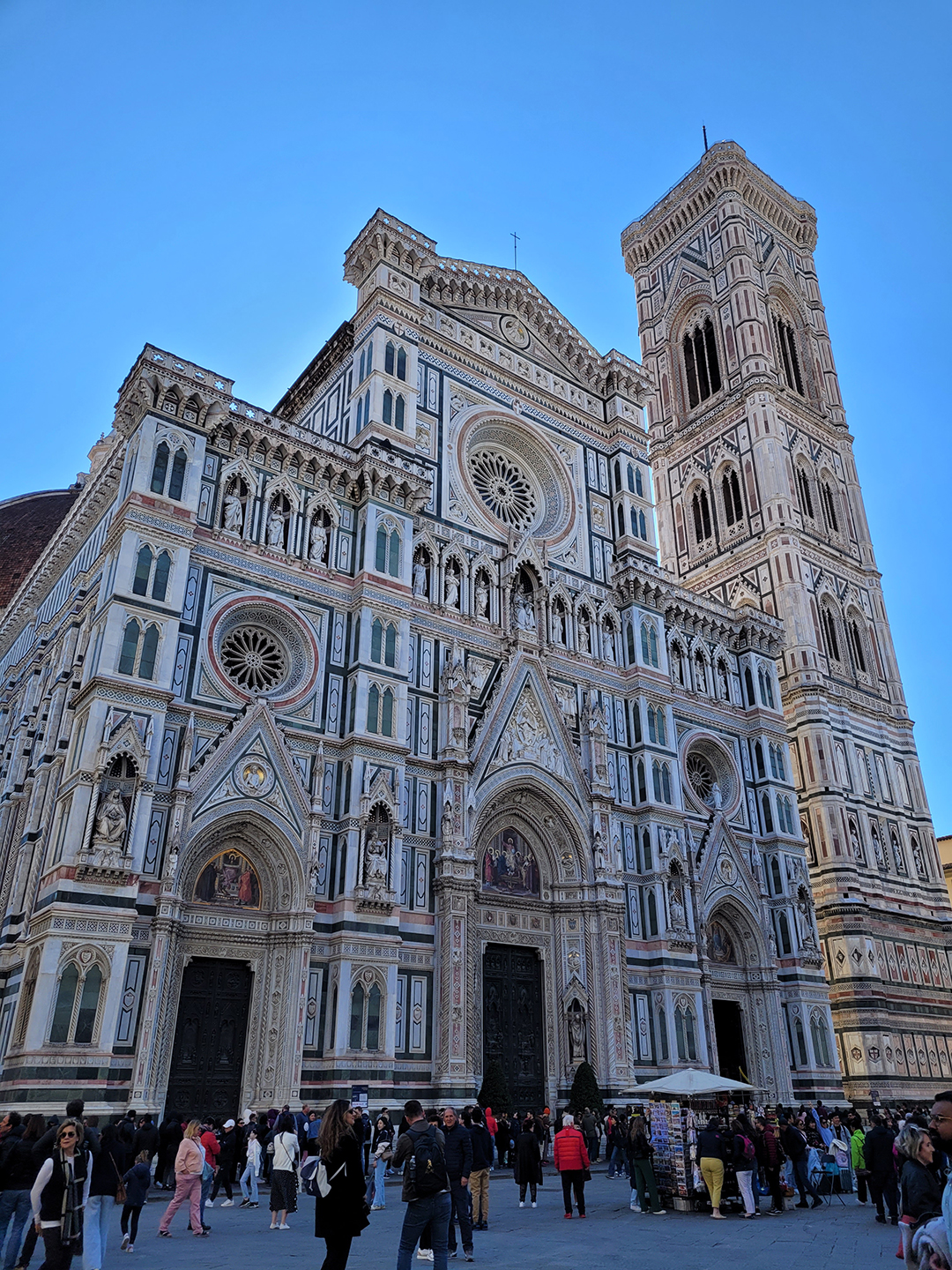
One of the city’s main attractions, Florence Cathedral, stands right in the heart of Florence on Piazza del Duomo. Construction of the cathedral began in 1296 based on the designs of Arnolfo di Cambio, and it was finally completed in 1436. The outside is covered in colourful marble, while the inside is much simpler, with beautiful frescoes by Giorgio Vasari painted across the walls and dome. The cathedral’s most iconic feature is its dome, designed by Filippo Brunelleschi, which is still considered the largest masonry dome in the world. It rises 114 metres above the city and rewards you with stunning views over Florence. The cathedral complex also includes the baptistery and Giotto's Campanile, the city’s famous bell tower.
Pitti Palace is a Renaissance palace built in the 15th century for the influential Florentine banker Luca Pitti. It was later bought by the House of Medici, one of the most powerful and influential noble families in European history. In the late 18th century, the palace was used by Napoleon Bonaparte, and later briefly served as the royal palace of newly unified Italy. Today, the palace houses an art museum, and behind it, you’ll find the beautiful Boboli Gardens, created for the House of Medici in the 16th century and widely seen as one of the best examples of an Italian Renaissance garden.
Palazzo Vecchio is a town hall that was built in the 14th century to serve as the seat of the Florentine government. The palace stands on Signoria Square, which has long been at the heart of public life in Florence. Palazzo Vecchio was originally known as Palazzo della Signoria and also served as the residence of the House of Medici before they moved to Pitti Palace. Today, the building houses a museum dedicated to the history of Florence, and right beside it stands the 94-metre-tall Arnolfo Tower, which offers beautiful views across the city.
Uffizi Gallery is one of the world’s most important art galleries and the most visited museum in Italy. The building was commissioned by the House of Medici in the 16th century as offices for the city’s administration, and only later became a place to display their remarkable art collection. The museum is home to more than 1,800 paintings, including famous works by Renaissance masters such as Leonardo da Vinci, Michelangelo, Sandro Botticelli, Raphael, and Caravaggio. Accademia Gallery is a smaller art gallery that was founded in the 18th century. It’s best known for Michelangelo’s famous statue of David, though you’ll also find several of his other sculptures there, alongside a large collection of paintings by Italian artists.
Basilica of Santa Maria Novella was built in the 13th century as the church of a Dominican monastery and has remained one of the city’s most important churches ever since. Inside, you’ll find Gothic frescoes, marble details, and Baroque altars, many of which were funded by Florence’s most powerful families, who secured burial places there in return.
Basilica of Santa Croce was built in the 13th century and is considered the largest Franciscan church in the world. It’s often called the Temple of Italian Glory, as some of Italy’s most famous figures are buried there, including Michelangelo, Galileo Galilei, and Niccolò Machiavelli. Inside, the church has 16 chapels along with frescoes by Giotto and other Renaissance masters.
Michelangelo Square is one of the most popular places in Florence for the view across the city’s historic centre. The square was designed in the 19th century and dedicated to Michelangelo, with a bronze replica of David standing proudly at its centre.
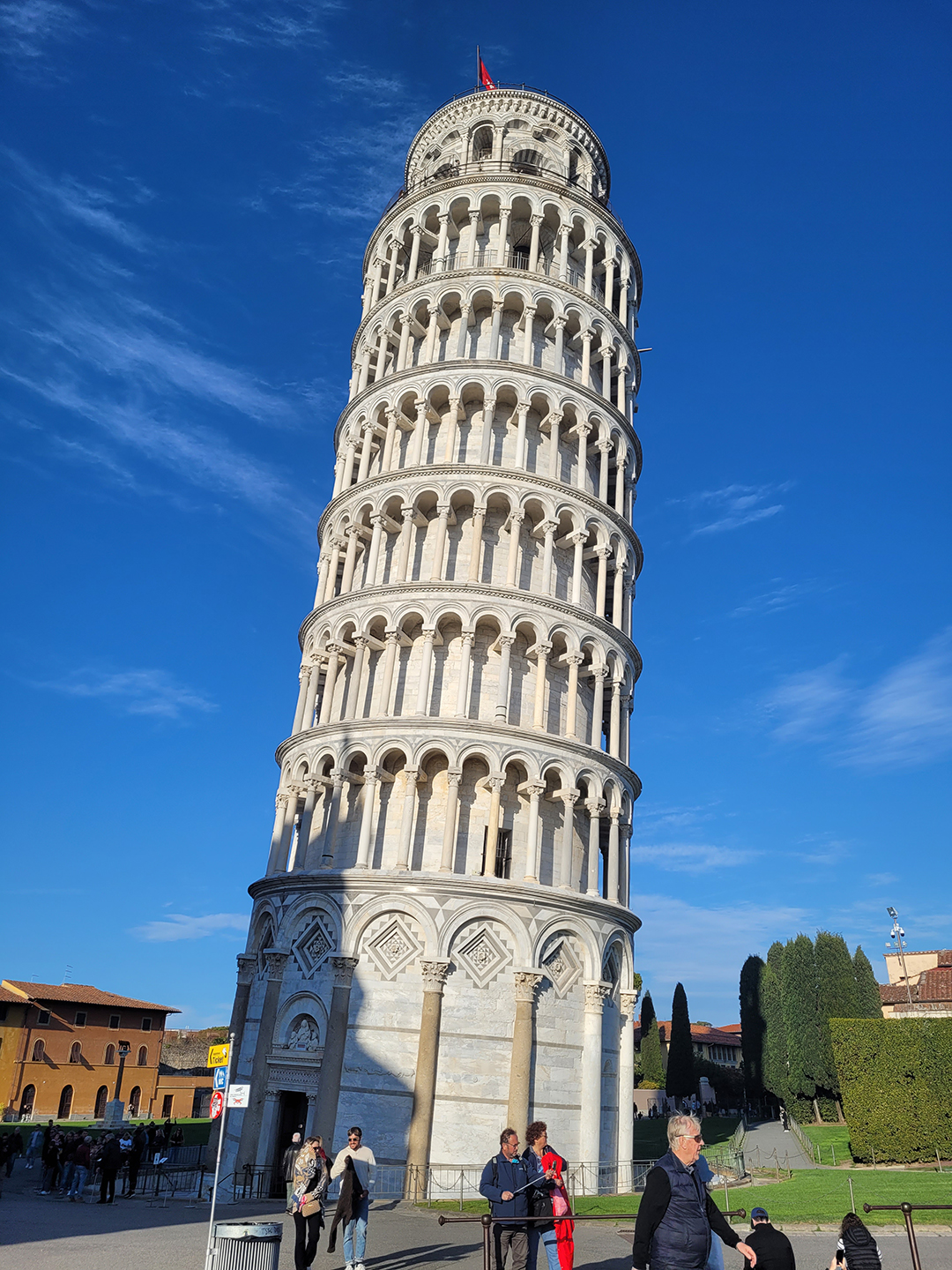
Stretching from the Apennine Mountains to the Tyrrhenian coast, Tuscany is famous for its rolling hills, vineyards, olive groves, and long rows of cypress trees. Visitors mainly come to Pisa for the Square of Miracles, home to the cathedral, baptistery, cemetery, and the world-famous Leaning Tower of Pisa, which was built in the 12th century as the cathedral’s bell tower and still leans by around four degrees.
Siena is a medieval city with a beautifully preserved historic centre. In the centre of Siena is Piazza del Campo, a shell-shaped square best known for the famous Palio di Siena horse race that's held there twice a year.
San Gimignano is another charming medieval town, often nicknamed the “Manhattan of the Middle Ages” because of its many towers. Only 14 of the towers remain today, but together with the narrow cobbled streets, little squares, and old palaces, they give the town a wonderfully historic atmosphere.
The most famous dish of Tuscan cuisine is the Florentine steak, which is a large T-bone steak made from a young ox or heifer. It’s grilled for just a few minutes and usually served quite rare. While you’re there, it’s also worth trying pappardelle with wild boar ragù in one of the traditional trattorias, ideally with a glass of the famous Chianti red wine on the side. Over the past decade, the Florentine sandwich shop All’Antico Vinaio has become hugely popular and has grown into an international chain with shops around the world. The Florence Central Market is one of the city’s largest markets, packed with fresh local produce and traditional Tuscan dishes.

Copyright (©) 2010 - 2026 Youth Hostel | Our Privacy Policy | Cookies | | RPC