The Estonian capital has nearly half a million residents, but it still feels pleasantly compact, which makes it easy to explore its most interesting spots on foot. Tallinn’s Old Town is also one of the most charming historic districts anywhere in Europe, also listed as a UNESCO World Heritage Site.
It is lively there no matter what time of day it is. This is no wonder, since there are many picturesque medieval houses and churches, along with plenty of museums, restaurants, and small but charming parks where it is perfect to sit back or even lie down. In a park not far from the main tourist office, visitors can find proper wooden loungers. Even though they are sturdy and built to withstand vandalism, they are really comfortable and ideal for soaking up the sun.
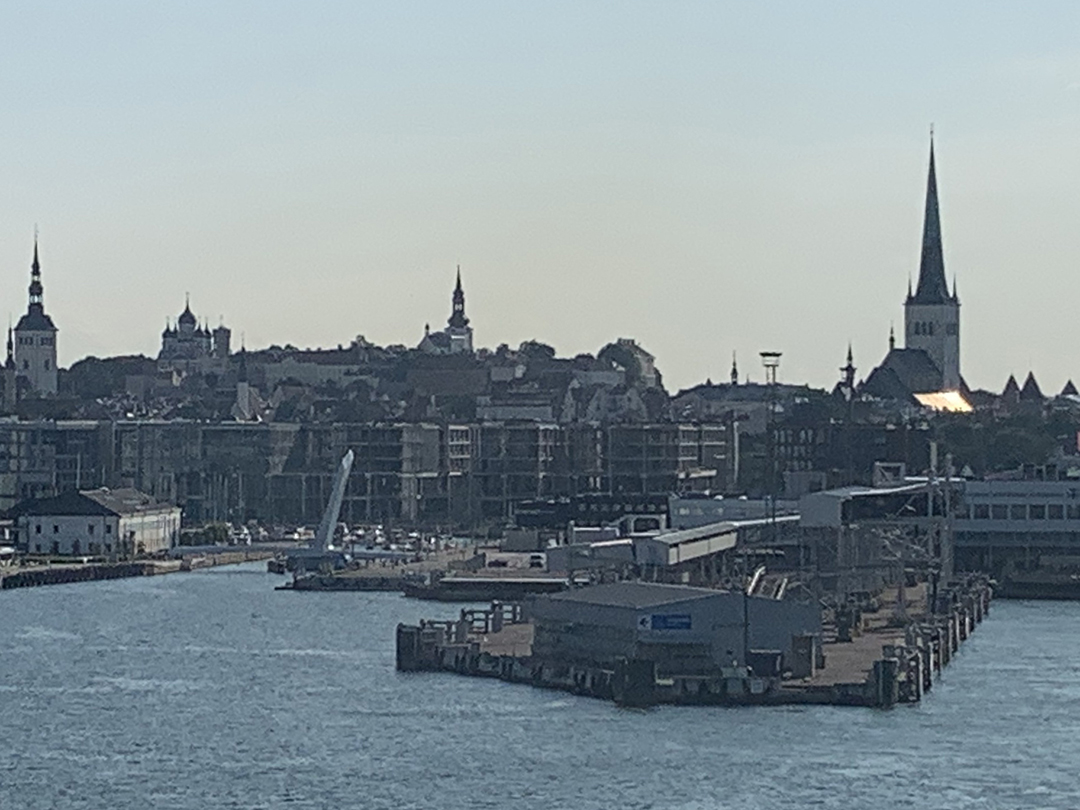
Tallinn is the country’s main hub for business, culture, education, and transport. It flourished most in the 15th century, when it became one of the Hanseatic trading cities on the Baltic Sea. The legacy of wealthy merchants is seen in the many grand houses tucked behind the impressively well-preserved city walls. Above it, you’ll spot at least a dozen defensive towers, with church spires rising even higher. Some of them you can climb, and from the top you get the best views of the Old Town and the nearby busy harbour.
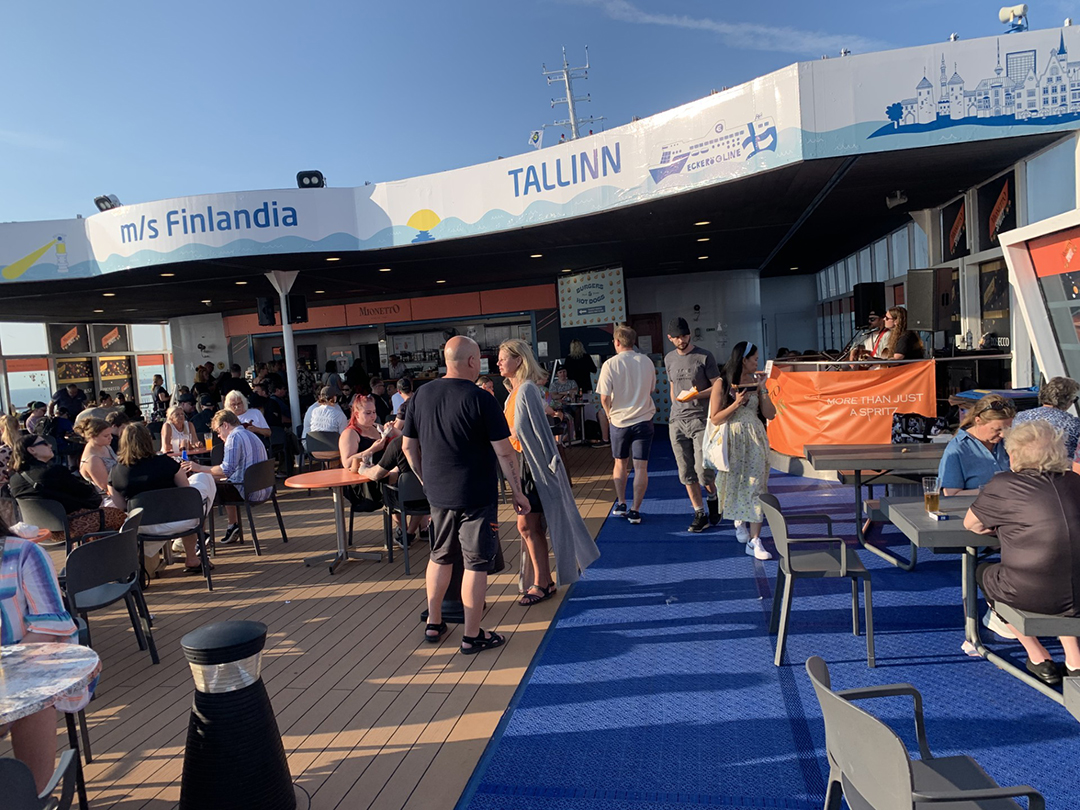
Every day, ferries and ships arrive that link the biggest cities around the Baltic Sea, from Helsinki all the way to Stockholm. Alcohol is much cheaper in Estonia than in Finland, which is one reason why so many Finns come to visit. It’s just a little over a two-hour ferry ride from Tallinn. There are several operators with good connections, so it’s easy to visit from Helsinki in a single day. Finns usually go for the cheapest operator, Eckerö, which has a very relaxed atmosphere on board. The ferry bar opens before all the passengers are even on board, and the queue soon starts to grow. On the evening return, there’s live music on the ferry, the bar queues get even longer, and the atmosphere becomes even more relaxed. The ferry hosts raffles and karaoke, and the Finns let their hair down like nowhere else. The allowance for bringing in alcohol is quite generous for personal use, which can mean around a hundred litres of beer per person and slightly less in wine or stronger spirits. It’s obvious that passengers make the most of this, as there’s hardly a Finn without a shopping trolley packed with all kinds of alcoholic drinks.
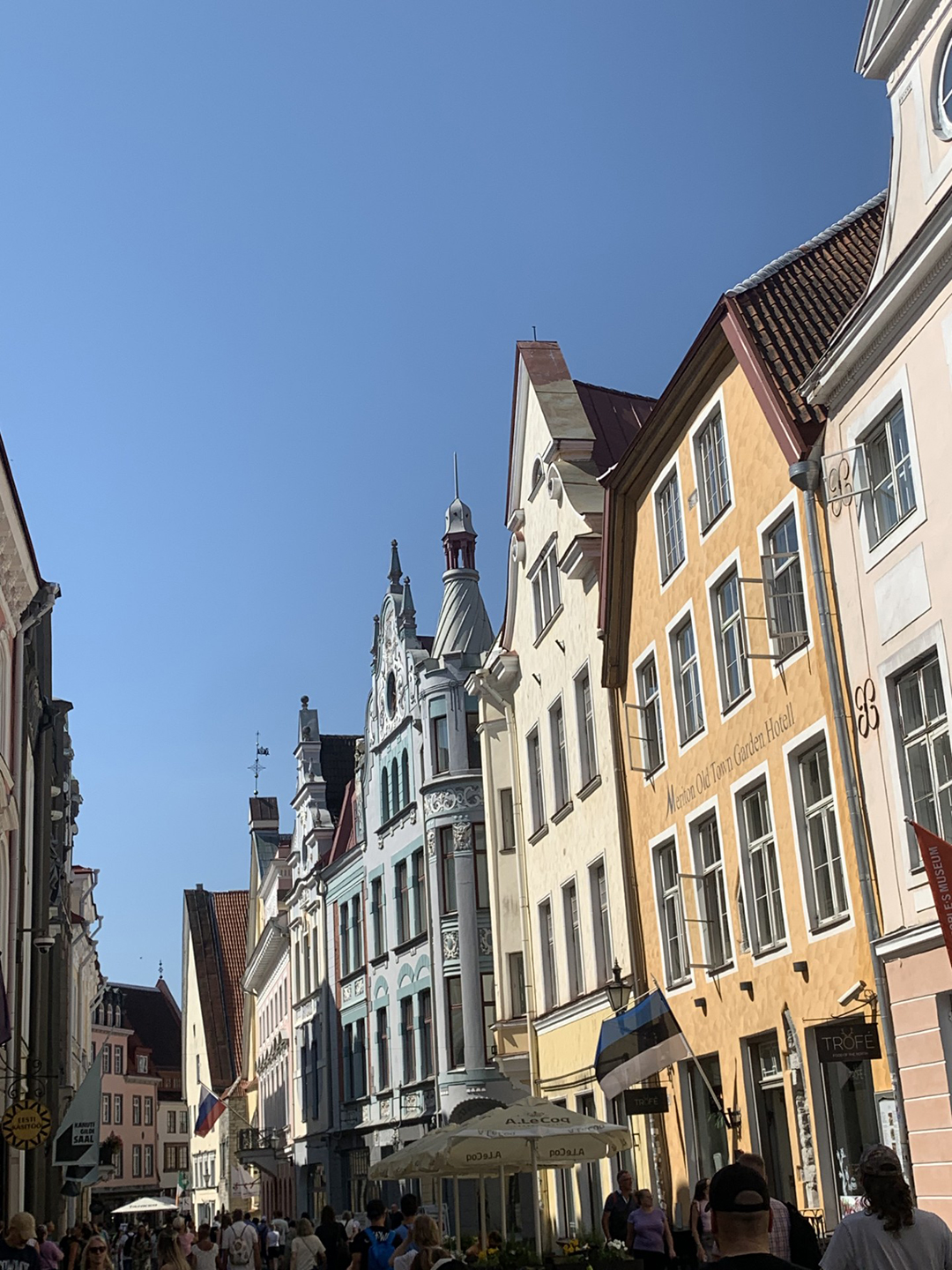
Life on Tallinn’s old, cobbled streets and squares is defined by its many cafés and restaurants. Prices have long been at Western European levels, but they are still cheaper than in the neighbouring Finland. Many of the restaurants are decorated in a medieval style, with staff dressed in medieval outfits who eagerly invite passersby to the carefully set tables, and sometimes they even carry a musical instrument.
Alongside the restaurants, there are plenty of shops and street stalls to explore. At these stalls, you can pick up knitted items with traditional Scandinavian patterns, amber, and more, as well as treat yourself to freshly roasted almonds coated in sugar, cinnamon, fruit extracts, and spicy flavours. The traders are chatty, and if they hear people talking Slovenian, they usually switch to Russian because of the familiar Slavic sound. They love to talk about everything, from their families to their background, but it’s clear that their main goal is, of course, to sell their goods. There are plenty of tourists, but the offerings are more or less the same everywhere. Most of the products are made from natural materials like wool and linen, with plenty of knitted items, naturally dyed wool, handmade crafts, artwork, and jewellery. It’s also worth popping into one of the cafés, where you can enjoy excellent chocolate desserts, freshly roasted coffee from various producers, and local beer.

The atmosphere is especially lively in summer, with plenty happening on the streets as everyone tries to make the most of the rare warm days. According to locals, they had as many as 273 days of rain or snow last year.
With so much going on, it’s hard to find time for the various museums, such as the Design Museum, the Maritime Museum, the Ethnography Museum, the Theatre Museum, the Music Museum, and more. It’s also worth climbing the tower by the Baroque town hall, which, at over sixty metres high, offers an unforgettable view of the medieval city and the nearby sea. By the nearby square is a building with Europe’s oldest continuously running pharmacy, which has been here since the early 15th century. In the Old Town, it’s worth visiting a few church towers and taking a walk along the city walls. Visiting the underground military tunnels, which run along much of the city walls, is a particularly memorable experience.

During my time there, the Tallinn Card made exploring the city a lot easier. The card is also available digitally and gives free access to more than fifty museums and attractions. It also let me use public transport for free and came in handy in some shops and restaurants where I got a discount. A one-day card costs 43 euros, and there are also two- and three-day options available.

Copyright (©) 2010 - 2026 Youth Hostel | Our Privacy Policy | Cookies | | RPC