During my trip around the Balkans last year, Macedonia was the country that surprised me most of all. My (all too) short visit was filled with historic sites, beautiful scenery and friendly locals.
Macedonia, or North Macedonia as it has been known since 2019, is one of the smaller countries in the Balkans and is often overshadowed as a tourist destination by its more famous neighbours, like Greece and Albania. Despite being a lesser-known side of the Balkans, I quickly realised that Macedonia deserves far more attention, as it has much more to offer than first meets the eye.
Macedonia’s capital looks rather unusual for a Balkan city. Nowhere else will you find so many different monuments in one place.
This is largely the result of the Skopje 2014 project, which was launched to redevelop the city centre and give it a more monumental look. Within just a few years, more than 130 buildings and other structures were built or renovated in a neoclassical style. The project was apparently quite controversial, mainly because of the high costs, which are said to have reached hundreds of millions of euros.
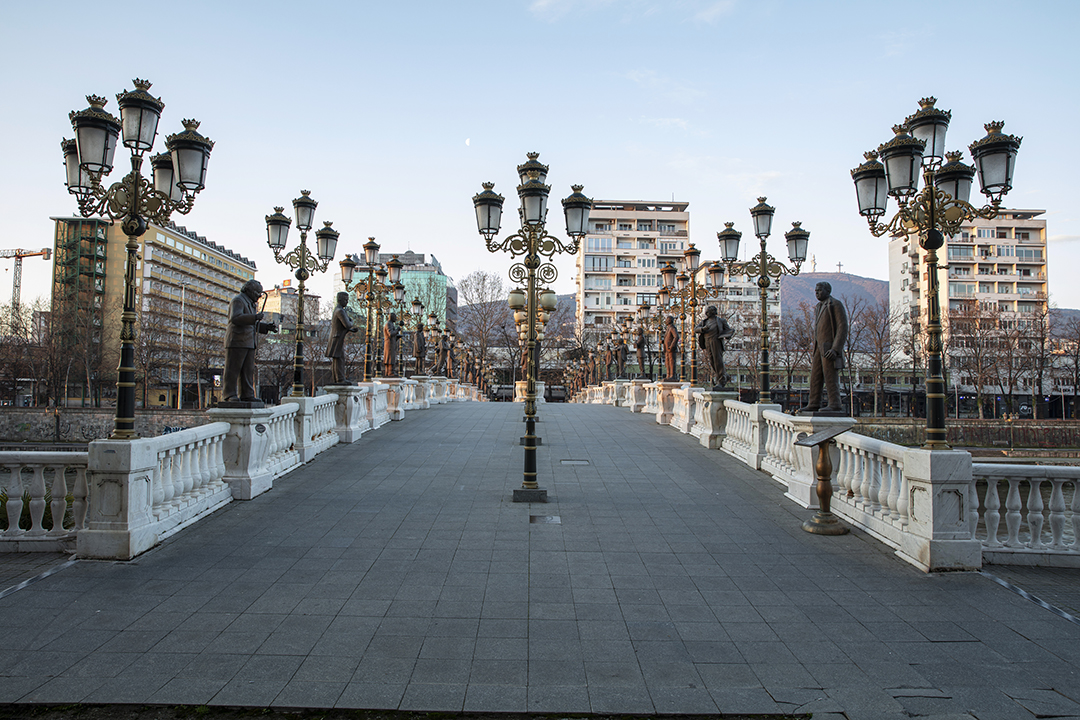
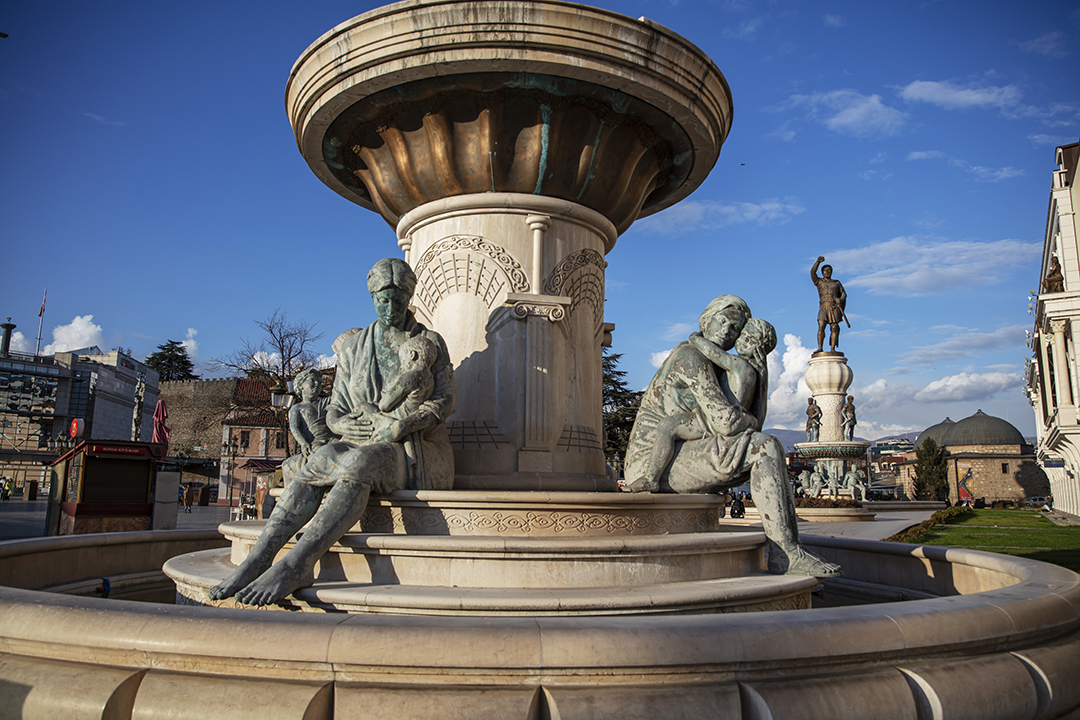
That is why in Macedonia Square, you’ll find a huge equestrian statue of Alexander the Great surrounded by a fountain, and the statue of Philip II of Macedon and the Porta Macedonia triumphal arch nearby. There are large neoclassical buildings along the Vardar River, such as the Archaeological Museum. Both the Art Bridge and the Bridge of Civilisations are covered in many statues of historical figures.
However, once you cross the river, you will find a completely different side of the city. The grand statues and monumental buildings give way to the narrow streets of the Old Bazaar, filled with shops, restaurants and cafés. This part of the city feels much more like somewhere you might expect to find in Turkey, which is no coincidence, as Skopje was under Ottoman rule for more than 500 years. The bazaar is a lovely place to wander around, browse the many souvenir shops and stop for a Turkish coffee or a bite to eat.
About 15 kilometres from Skopje is the Matka Canyon, which is a great opportunity for a day trip. You can get there by car, taxi or bus.
In Macedonian, the name Matka means ‘womb’ or ‘mother’. The narrow gorge, surrounded by high cliffs, resembles a womb protecting the life within. The symbolism also ties in with the river and lake, which are home to a rich ecosystem, as well as the caves and old monasteries hidden among the rocks.
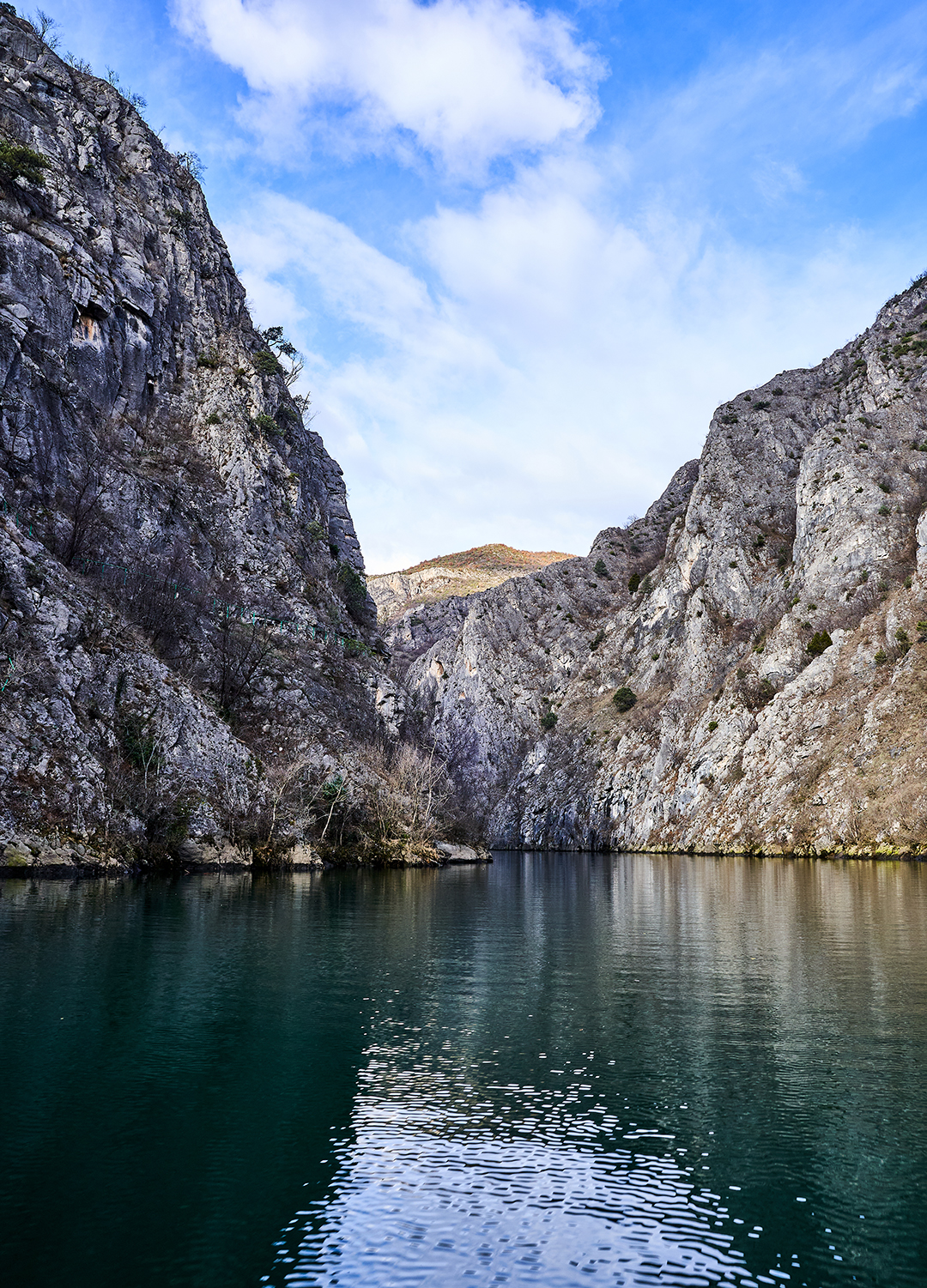
The highlight of the day trip was the boat ride through the canyon. Lake Matka, which was created by damming the Treska River, stretches between the towering cliffs. The water is incredibly clear and has a distinctive turquoise colour. Riding between the cliffs even reminded me of the boat trip I took in El Nido in the Philippines. The main difference was the water temperature, as even in the middle of summer it was far too cold for swimming.
Besides taking a boat ride through the canyon, you can also visit Vrelo Cave. You reach the entrance by boat, then continue underground, where you’ll find stalactites, stalagmites and underground lakes. If you’d rather explore the canyon on your own, you can rent a kayak or follow one of the walking trails along the lake.
Ohrid was one of the places in the Balkans that impressed me most. As I always do, I stayed in a hostel, where I met travellers from all over the world, including Mexico, Brazil, Israel and the US. Foreign tourists are drawn to Ohrid mainly for its beauty, laid-back vibe, and affordable prices.
Ohrid is an old town that is best explored on foot. As you walk through the historic centre, you’ll come across an ancient theatre and Samuel’s Fortress, which offers a beautiful view over the town and lake. The most famous, of course, is the Church of St John at Kaneo, which stands on a cliff just above the lake and appears in almost every postcard and photo of Ohrid.
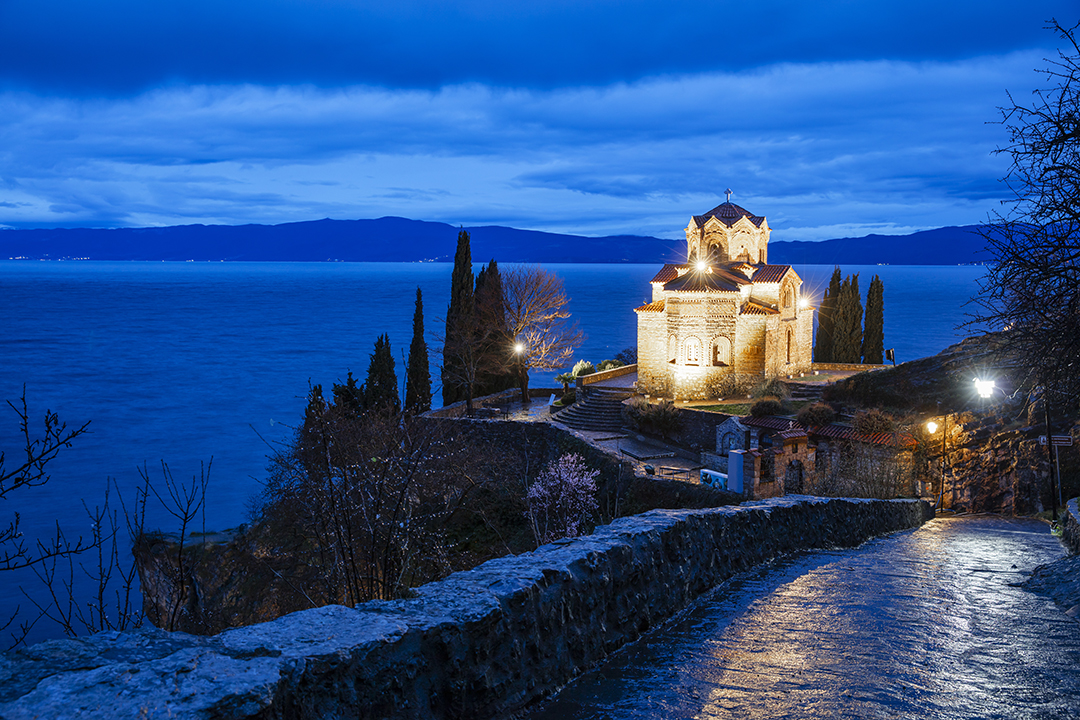
Although I usually prefer the sea, the water in Lake Ohrid was incredibly clear and just the right temperature for swimming. A little further from the centre, you’ll also find quieter, more secluded beaches with hardly anyone around, and it’s worth staying by the lake to watch the sunset.
On summer evenings, Ohrid comes alive, with many bars and restaurants to choose from, and when you’re staying in hostels, you always find someone to go out with you. That is why a few days I had originally planned to spend in Ohrid quickly turned into a whole week.

Copyright (©) 2010 - 2026 Youth Hostel | Our Privacy Policy | Cookies | | RPC