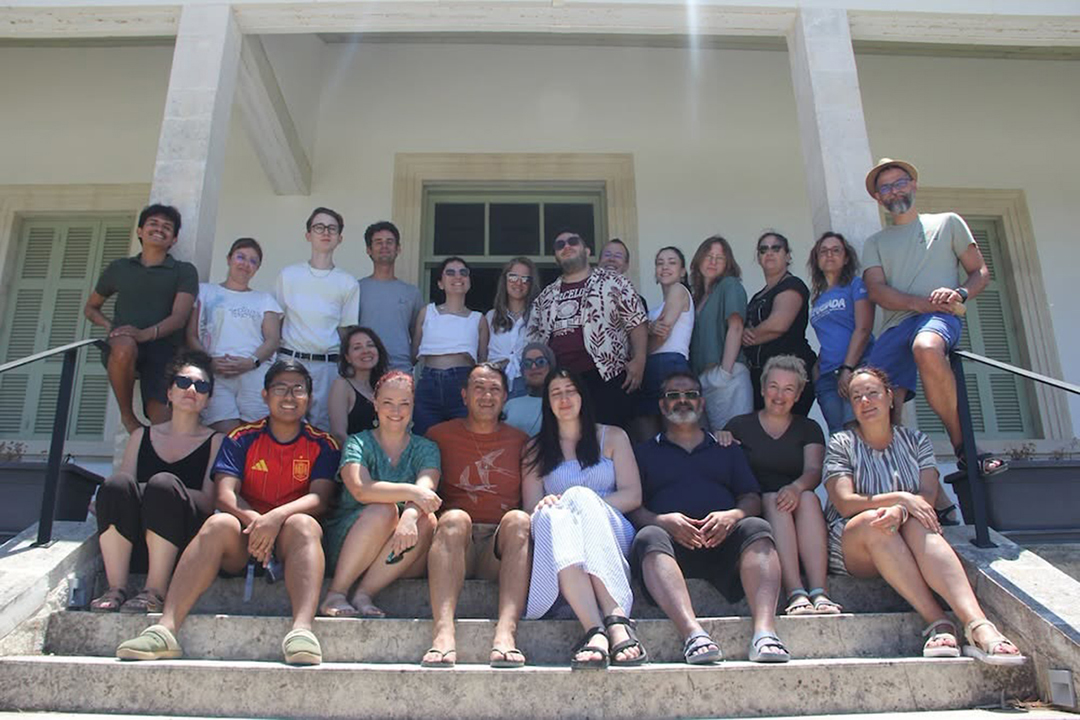
From 27 June to 2 July 2026, I had the privilege of participating in the Volu.M.E – Values in Volunteering Erasmus+ Training Course, held in Lefkosia and Lysos, Cyprus. The training brought together youth workers, volunteer coordinators, mentors, and project managers from across Europe who all shared a common objective: to strengthen the quality of volunteering by exploring the values that lie at the very core of volunteer work.
The programme was developed based on more than a decade of experience in European volunteering initiatives, from the era of the European Voluntary Service (EVS) to today's European Solidarity Corps (ESC). It aimed to create a common understanding of volunteer management while supporting the professional development of youth workers and mentors through the ETS Competence Model for Youth Workers and the Mentoring Competence Framework. Throughout the week, I had the opportunity not only to gain new knowledge and practical tools but also to reflect on my own experiences and exchange ideas with professionals working in different European contexts.
One of the central questions of the training was a simple but very meaningful one: Why do we volunteer? Although volunteering projects exist in many different forms and environments, taking the time to explore the motivations, values, and principles behind volunteering gave me a deeper understanding of what makes these experiences truly meaningful. We reflected on how personal motivations, organisational missions, and community needs influence the way volunteering projects are created and implemented.
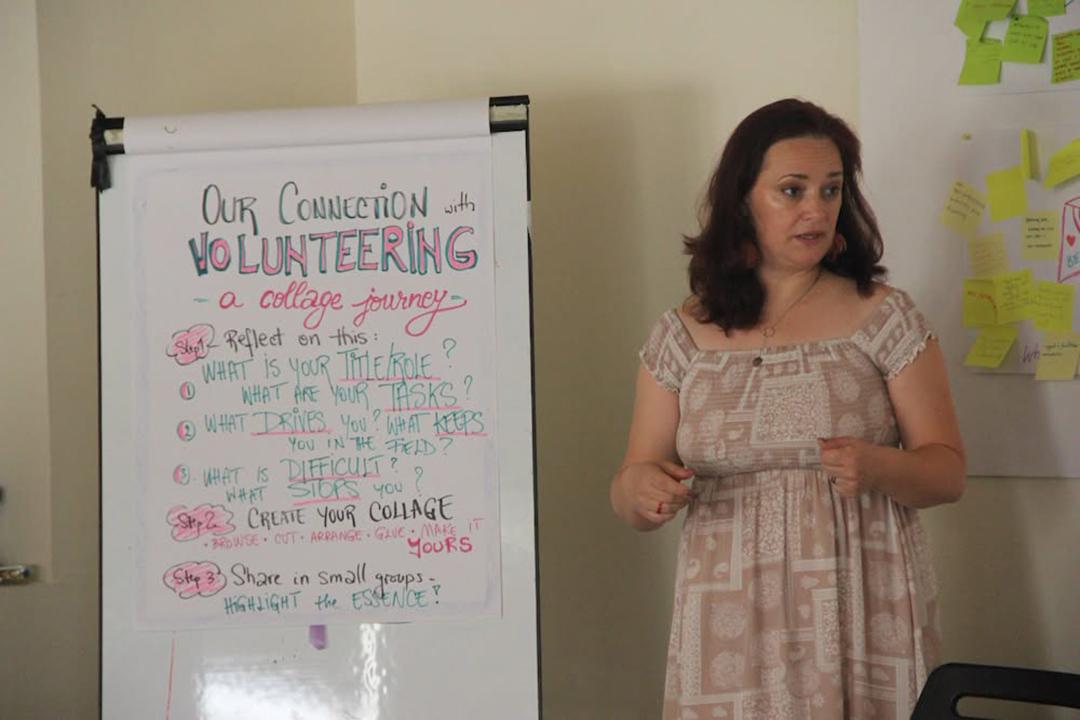
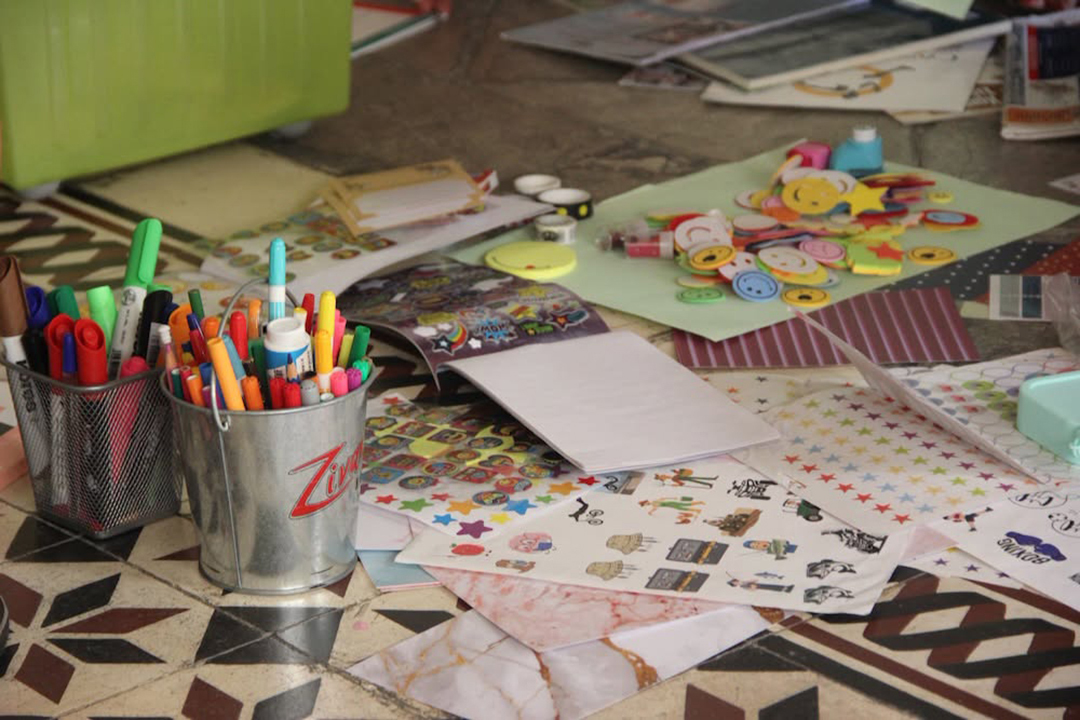
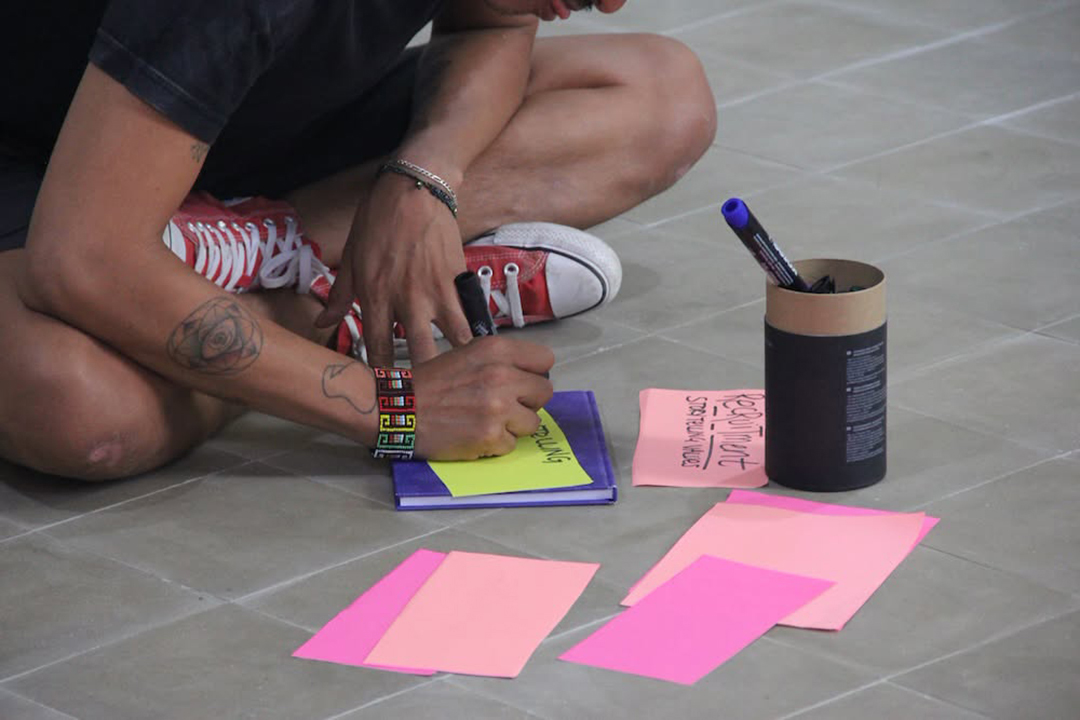
The learning process itself was based on the principles of non-formal education. Instead of traditional classroom learning, we participated in experiential activities, group discussions, theatre methods, creative exercises, simulations, and reflection sessions. These approaches encouraged active participation and created a safe space where everyone could share their experiences, challenges, and good practices. I especially appreciated that the training was built around cooperation and peer learning, allowing every participant to contribute their own perspective.
During the training, we explored different aspects of volunteer management, including volunteer motivation, recruitment, mentoring, communication, ethical decision-making, conflict management, and creating supportive learning environments. We discussed real situations from our organisations and examined how values influence everyday decisions when working with volunteers. I learned that successful volunteer management is not only about organising activities effectively but also about building relationships based on trust, respect, inclusion, and empathy.
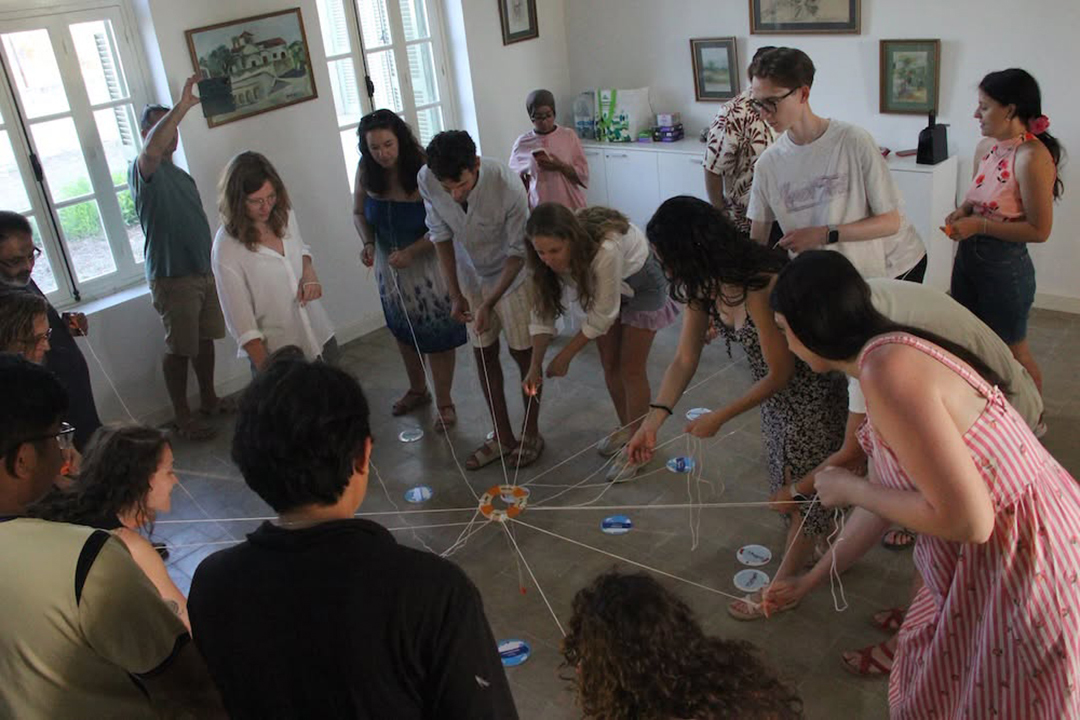
A particularly valuable part of the course was focusing on the role of mentors and the importance of supporting volunteers throughout their journey. We explored how mentoring can help volunteers reflect on their experiences, recognise their personal development, overcome challenges, and transform volunteering into a meaningful learning opportunity. This strengthened my understanding of the responsibility that organisations have in creating environments where volunteers feel supported and appreciated.
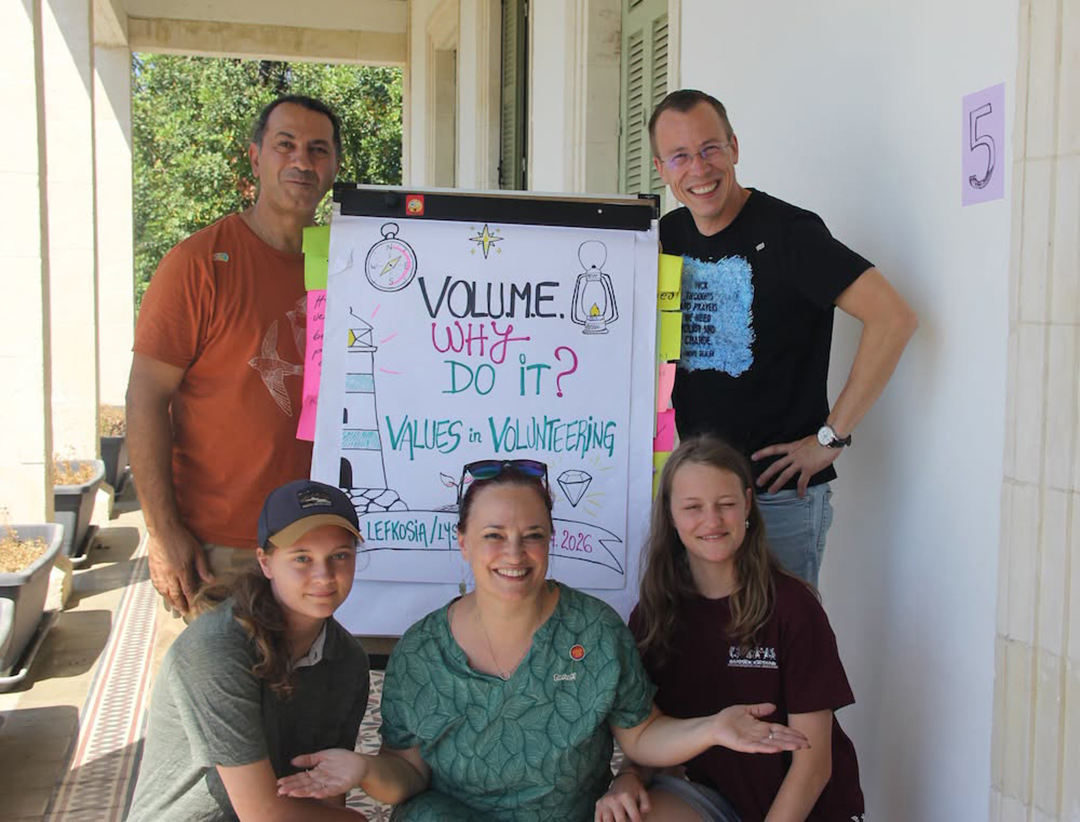
The international dimension of the training was one of its greatest strengths. Participants came from different countries, cultures, and professional backgrounds, bringing diverse experiences and approaches to volunteering. Through discussions and informal exchanges, we discovered that many organisations face similar challenges, despite operating in different contexts. Sharing our methods and experiences provided inspiration for future projects and helped create a strong network of professionals committed to improving volunteering opportunities across Europe.
The training also contributed greatly to my personal and professional development. I strengthened my competences in facilitating learning, designing meaningful volunteer programmes, managing resources, collaborating in multicultural teams, communicating effectively, and evaluating learning processes. I also developed greater intercultural sensitivity and a deeper understanding of how volunteering contributes to active citizenship, solidarity, and social inclusion. The connections created during the training also highlighted the importance of networking and international cooperation in the field of youth work.
Beyond the educational programme, this Erasmus+ mobility gave me the opportunity to discover Cyprus and experience its culture in a very authentic way. I had the chance to explore some of the most diverse regions of the island, each offering a different perspective on Cypriot life. Staying in Lefkosia, the capital city and one of the most historically significant places in Cyprus, allowed me to learn more about the island's complex history, cultural heritage, and the importance of dialogue between communities.
At the same time, spending time in the peaceful village of Lysos introduced me to a different side of Cyprus, where traditions, hospitality, and close community connections play an important role in everyday life. From our accommodation we also hitchhiked with a watermelon transporter which remains an unforgettable memory! During free time, I also had the chance to visit Aphrodite’s birthplace, a place connected to Greek mythology and the cultural identity of the island, as well as the beautiful coastal town of Latsi, famous for its seaside atmosphere, natural beauty, and Mediterranean charm.
These experiences helped me better understand the local culture, history, and habits of the Cypriot people. Discovering traditional gastronomy was another unforgettable part of my stay. Sharing meals with other participants and tasting local dishes created additional opportunities for intercultural exchange, where we could compare our own culinary traditions and learn more about each other's cultures. I also enjoyed learning some basic Greek words and expressions, which helped me connect more with the local environment and made my interactions with people even more memorable.
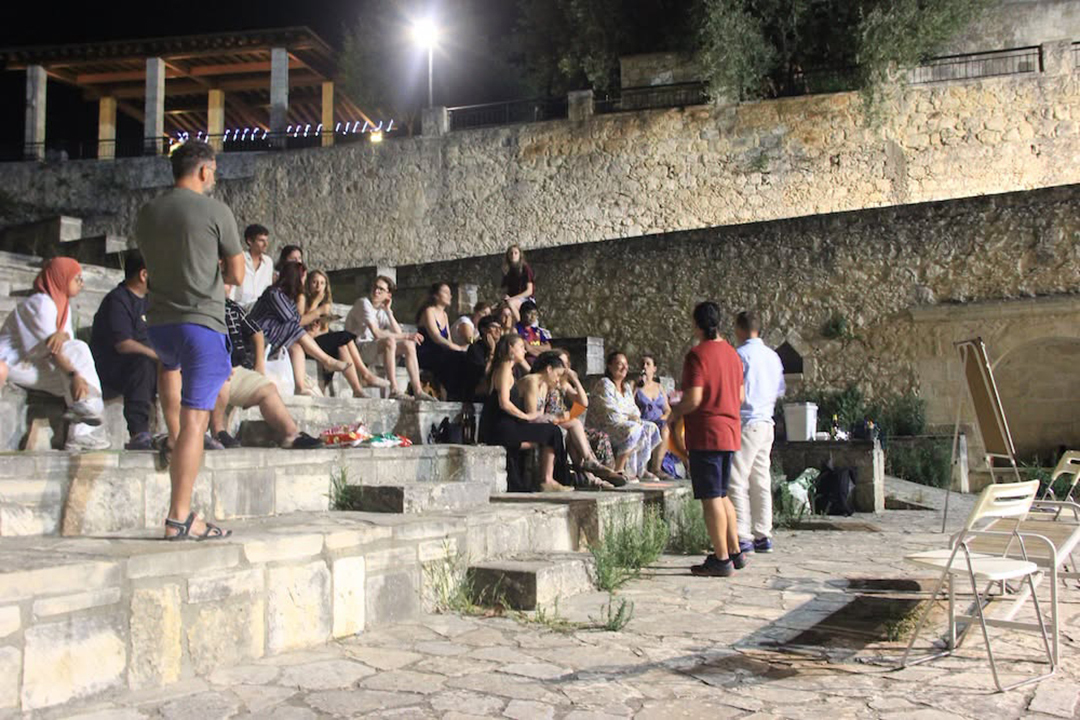
The cultural programme outside the training sessions complemented the learning experience perfectly. Walking through different places, observing local traditions, discovering historical sites, and experiencing everyday life in Cyprus reminded me that Erasmus+ projects are not only about acquiring professional competences but also about developing openness, curiosity, and respect towards other cultures.
Some of the most valuable moments of the mobility happened outside the official sessions as well. Conversations during coffee breaks, shared dinners, evening activities, and exploring Cyprus together created strong friendships and a sense of belonging within this international group. These informal moments allowed us to continue exchanging ideas and building connections that will hopefully continue long after the end of the training.
I would like to express my sincere gratitude to our facilitators, Panayiotis Theodorou, Corina Pintea, and Markus Rebitschek, for creating such an inspiring, inclusive, and supportive learning environment. Their knowledge, dedication, and facilitation methods helped us explore complex topics in a creative and engaging way. I am also thankful to all participants for their openness, energy, and willingness to share their experiences.
Looking back on this experience, I return home with new knowledge, practical tools, valuable international connections, and renewed motivation for my work with volunteers and young people. Volu.M.E reminded me that volunteering is much more than offering time or completing tasks. It is about creating meaningful relationships, strengthening communities, encouraging active citizenship, and transforming shared values into concrete actions.
I am grateful to the Erasmus+ Programme for making this experience possible, and I look forward to applying what I have learned in my future work while continuing to promote the values of solidarity, inclusion, and cooperation that make volunteering such a powerful force for positive change.
PS: As a volunteer for the Travel Different for Future programme, I tried to travel greener and use more buses than flights.
Copyright (©) 2010 - 2026 Youth Hostel | Our Privacy Policy | Cookies | | RPC