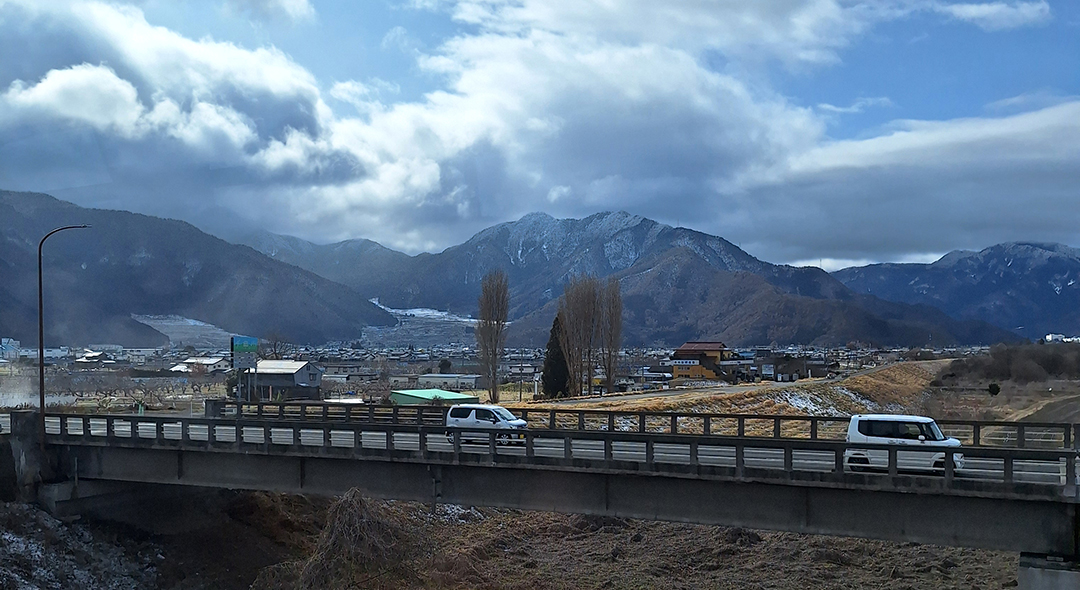
In the second part of my article about the three-week trip to Japan, I will present Nagano. This is a popular city located in the central part of Japan, to the northwest of Tokyo. The city is well known among Japanese people for its nearby ski resorts, the snow monkey park, its unique temples, and the Winter Olympics that took place in 1998.
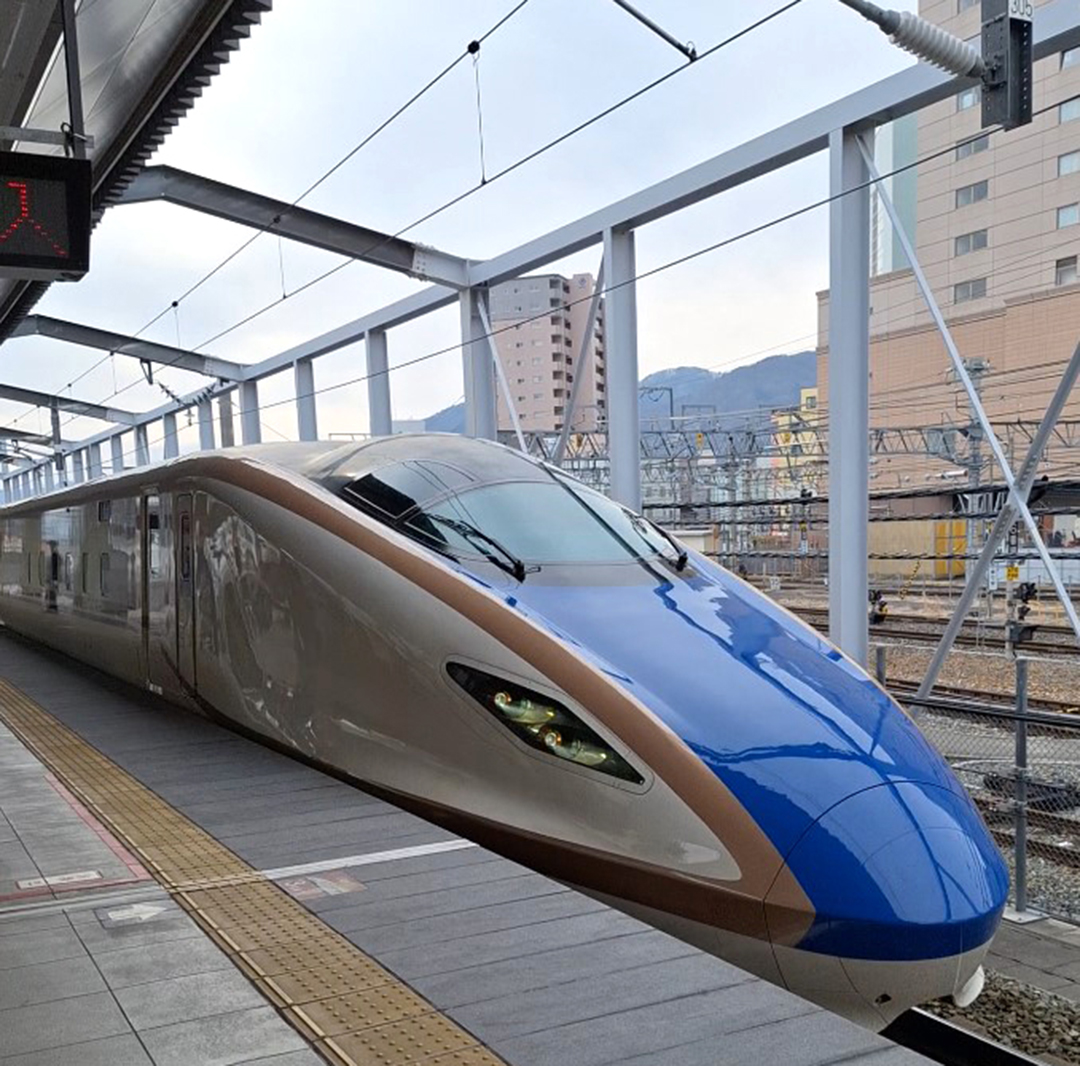
Before travelling, I bought a seven-day tourist pass for the Japanese bullet train Shinkansen, which can reach speeds of over 320 kilometres per hour. Japan was the first country to build high-speed train tracks after the Second World War. Its design was inspired by a bird called the kingfisher, which has a very long beak and reaches very high speeds during flying.
Travelling around Japan by bullet train is the fastest and most comfortable way. However, it is far from cheap; for example, I paid 60 euros for a one-way ticket between Nagoya and Tokyo. That is why in most cases it is worth buying the Japan Rail Pass, especially if you plan to travel a lot between different cities. However, the price increases a lot each year, so you need to plan carefully and consider what is better: a weekly pass or individual tickets.
In Japan, trains are known for being punctual and reliable, but my first experience was far from that. Unluckily for me, there had just been an accident on the tracks towards Nagano that day, so all connections were suspended. At Tokyo’s main station there was complete chaos, as many tourists and locals were left at the station and no one knew when the trains would be running again. After about three hours the tracks were repaired and after six hours I finally arrived in Nagano.
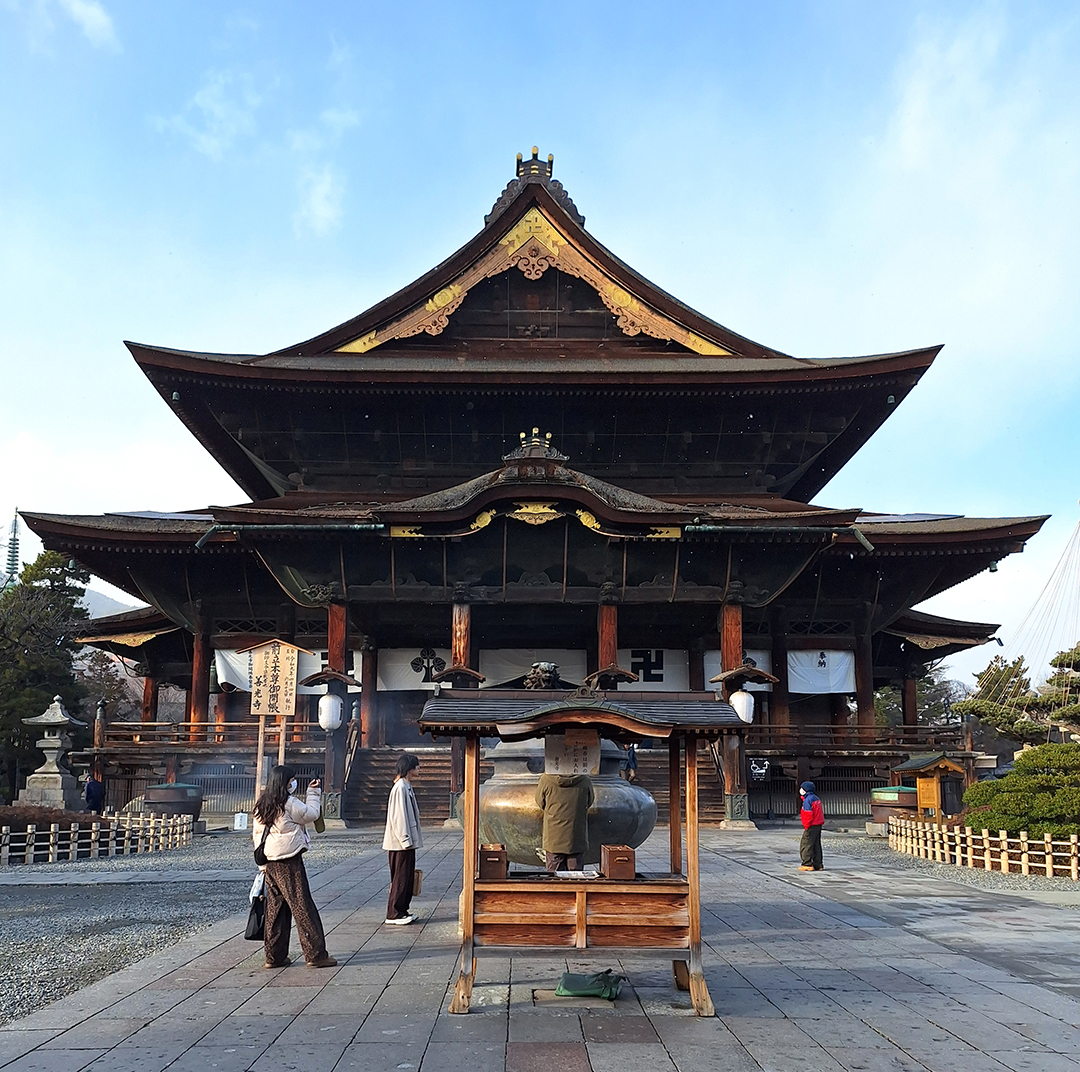
I arrived in the city much later than planned, but I still had time to visit Zenkoji Temple, the largest Buddhist temple in Nagano. The temple was built in the 7th century and is one of the oldest temples in Japan. It is about a thirty-minute walk from the main train and bus station, or around ten minutes by bus.
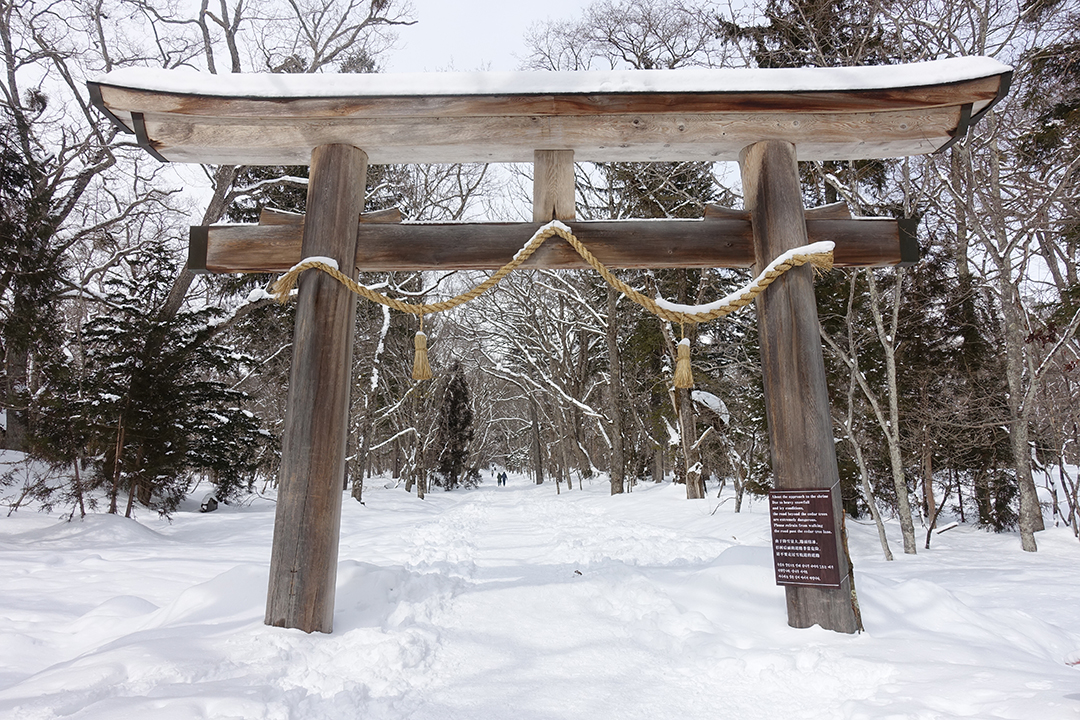
Northwest of Nagano lies one of the most beautiful temples in the region, Togakushi-jinja. From Nagano’s main bus station there is a daily express line that takes you to the first temple in about 45 minutes. The ending "jinja" means that the temple belongs to Shintoism.
Although this is just one of around 80,000 temples in Japan, it stands out for its remote mountain location and the avenue of sacred pine trees, which are said to be around 800 years old. Freshly fallen snow also added to the charm of my day. The only downside of visiting in winter was that the hiking trails were closed, so I could not visit all the temples or the nearby Kagamiike Lake. I spent half a day visiting Togakushi-jinja.
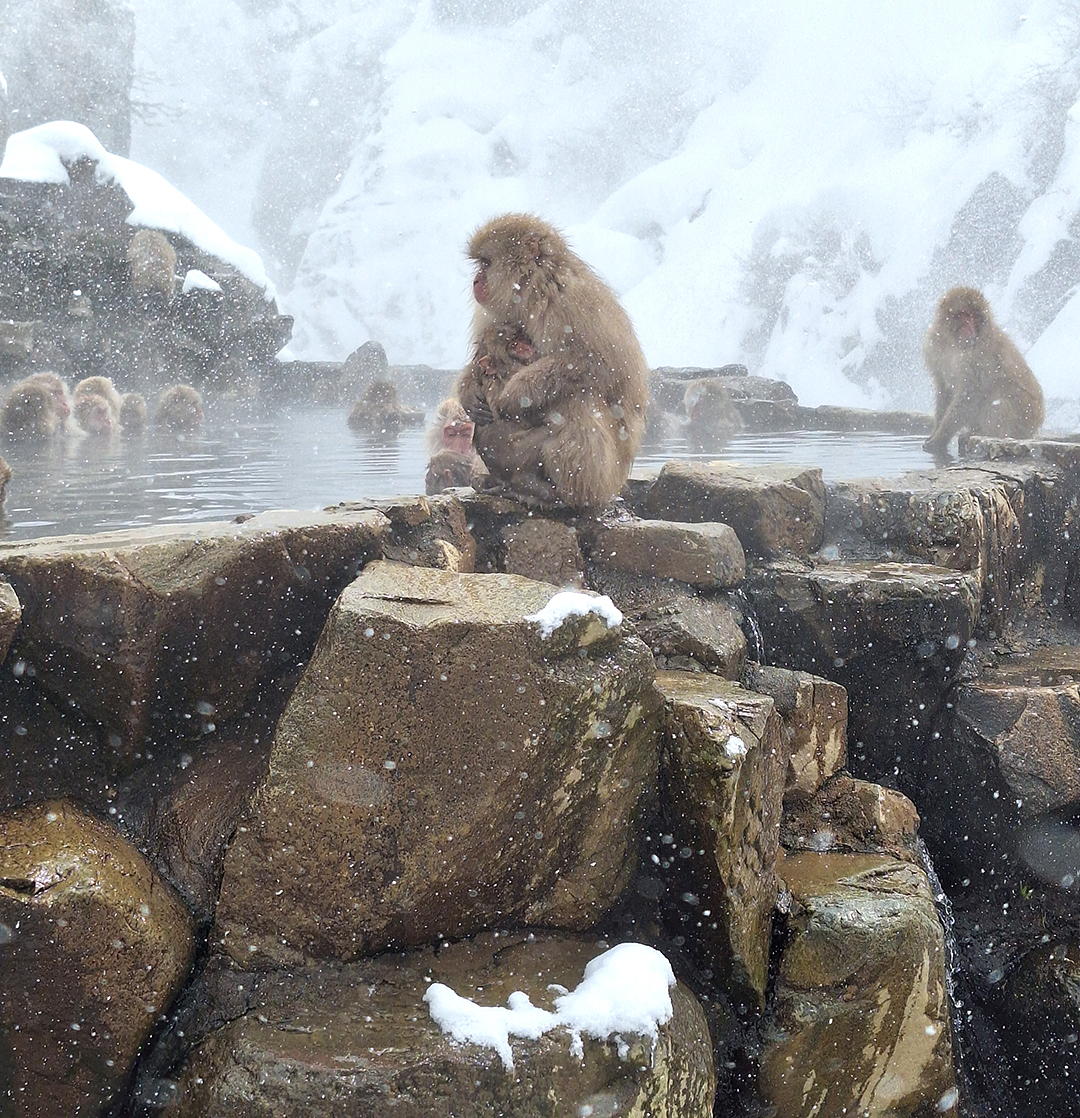
The snow monkeys are one of Japan’s most unique attractions, as they are an endemic species. They are best known for their habit of soaking in hot springs during winter, where they warm themselves in the thermal water. Winter is therefore the best time of the year to observe them. You can see snow monkeys in different parts of Japan, and one of the better-known wildlife reserves is Jigokudani Yaen-Koen, which I also visited.
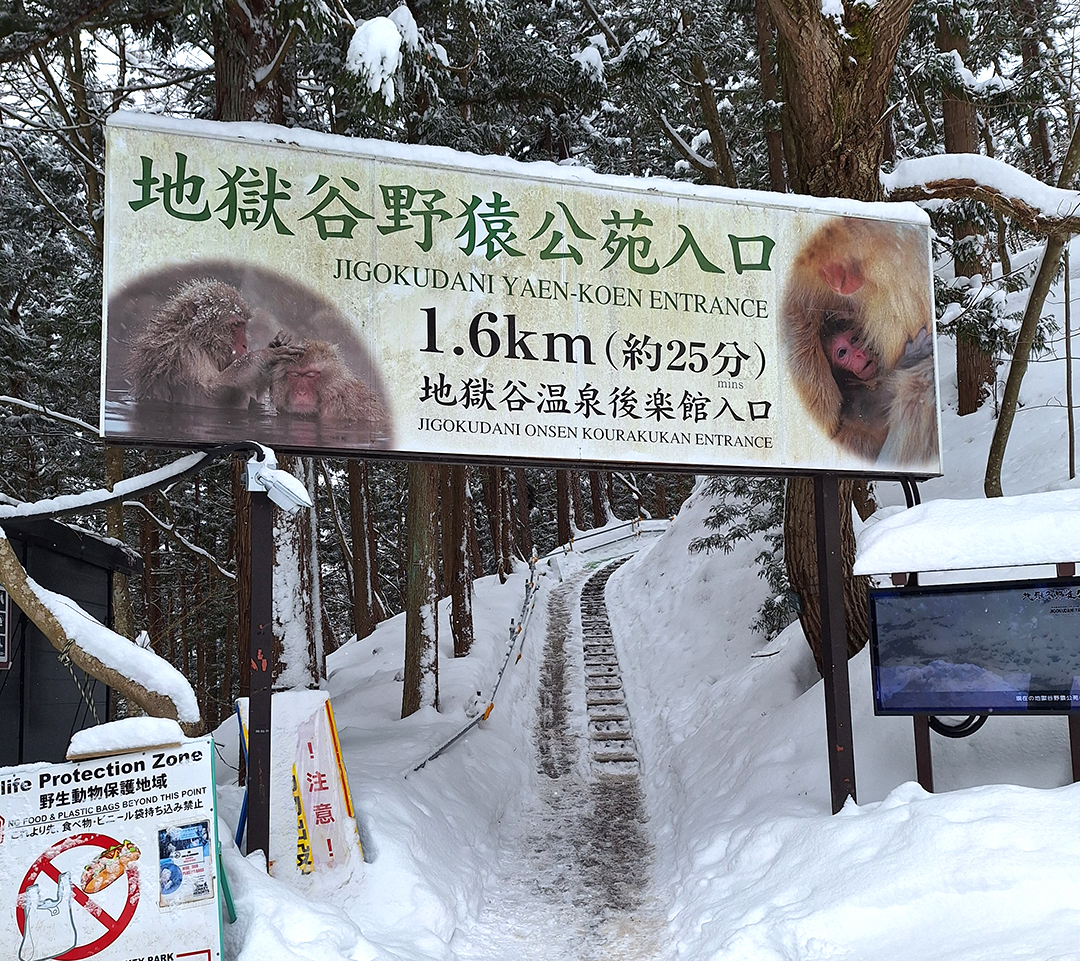
The park is located east of Nagano and is one of the main attractions in the region. You can get from Nagano to the park by car or public transport, either train or bus. I travelled by bus myself, as it is faster and you don't need to transfer. From the bus station, the entrance to the park is about an hour’s walk away. To enter the park, you need to pay an entrance fee, which in 2025 was around six euros.
Snow monkeys are wild animals, so touching and feeding them is not allowed. There is a protective fence around the hot springs, but it is there more for the visitors than for the animals, and staff are always present in the park. The monkeys are used to people and don't pay much attention to them, but they are still wild animals, so it is always best to be cautious.
I ended my third day in the snowy city of Nagano at a restaurant in the main train station, where I ordered a popular children’s dish, omurice. This is a dish made of eggs and rice with a sauce and other ingredients. Over the years I have noticed that good food matters a lot to me, and I like trying things that are hard to find in Slovenia. My journey continued to the city of Kanazawa, which will be covered in the next part of the article.

Copyright (©) 2010 - 2026 Youth Hostel | Our Privacy Policy | Cookies | | RPC