The Costa Blanca is one of the most touristy parts of the Spanish coast, but that doesn't mean you'll only find large hotel resorts there. The coastline between Alicante and Denia is surprisingly diverse. The region is known for its historic towns, sheltered sandy bays and rugged coastal scenery. Alicante has excellent and affordable flight connections, and from Denia ferries sail daily to the island of Ibiza, which is a little over four hours away.
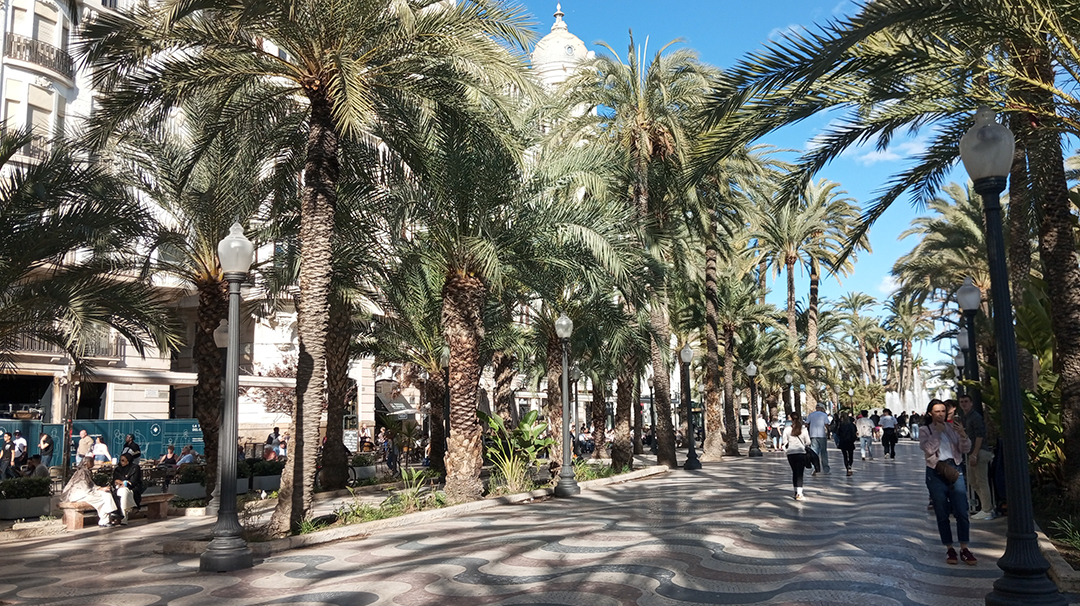
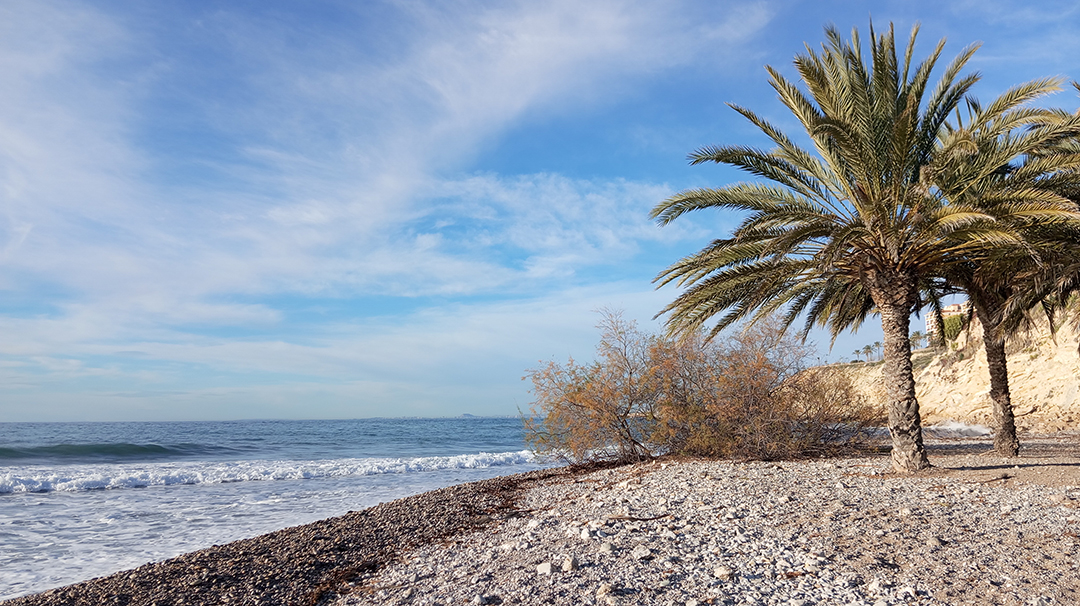
It’s easy to see why so many people visit throughout the entire year. The coast stretches for over two hundred kilometres and enjoys a pleasant Mediterranean climate with plenty of sunny days. Even in winter, places like Benidorm stay busy, which makes it a great choice if you're after lively nightlife or want to explore the area's natural beauty. With its many high-rise buildings, Benidorm kind of resembles an American resort.
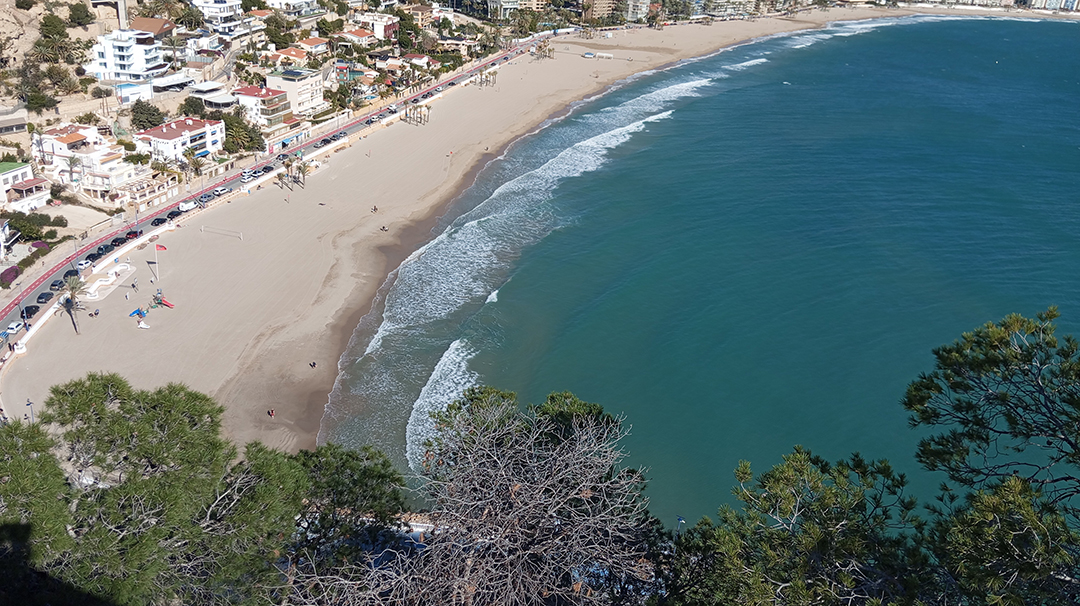
The town is well organised and very friendly for pedestrians and cyclists. It lies along a kilometre-long sandy beach, where many people soak up the sun even in January. The bravest ones also go swimming, while surfers in wetsuits don't pay much attention to the sea temperature anyway. Benidorm also has a small but charming old town around a church on a rocky headland. It has terraces with beautiful views over the picturesque bay and the surrounding area. The best way to explore the town and nearby bays is by bike, preferably an electric one, as there are quite a few hills to tackle.
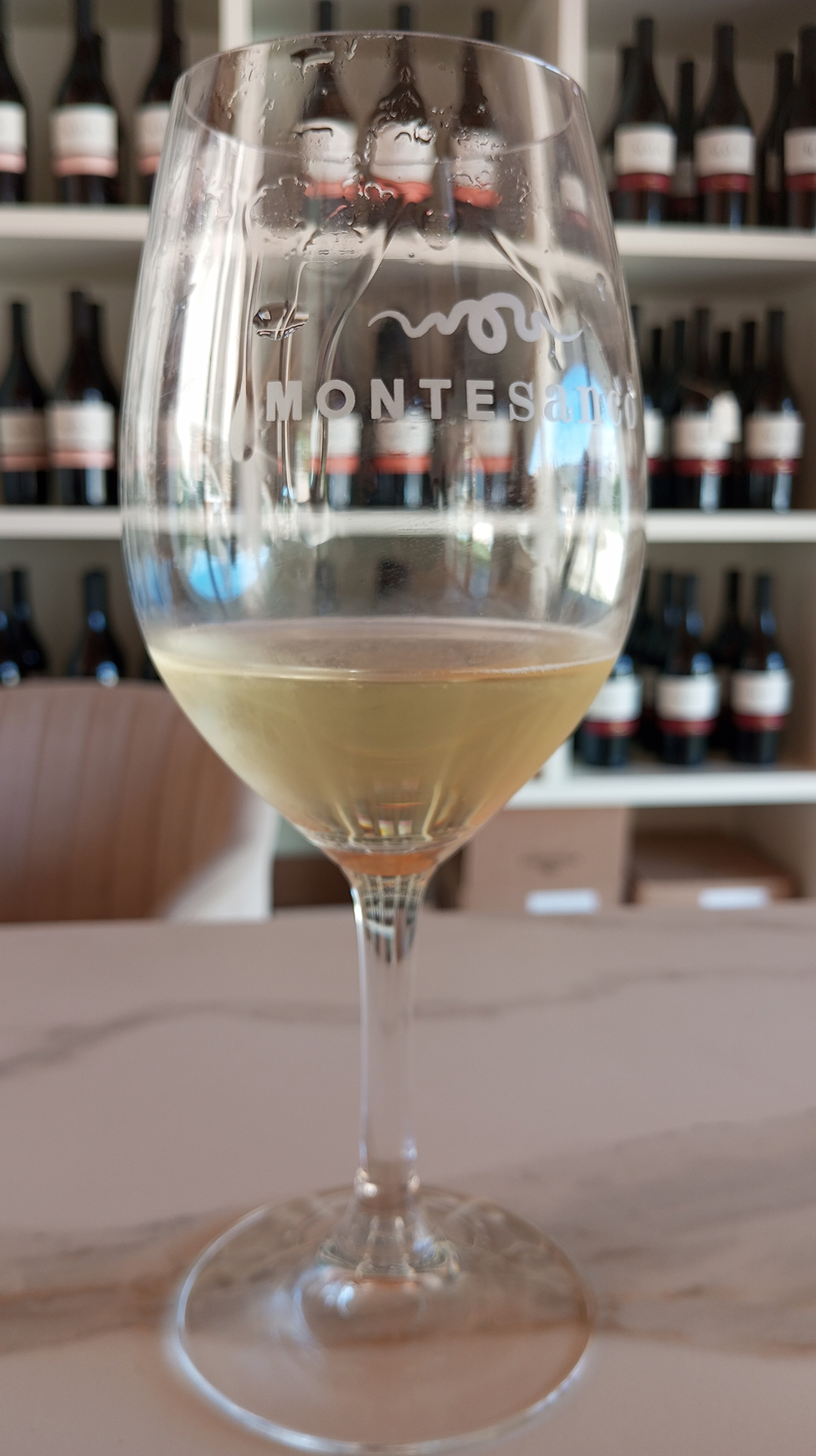
Spanish cuisine is very diverse, so it is easy to treat yourself, especially along the coast where there’s an abundance of seafood. You just need to adjust to the local rhythm, as breakfast is usually around nine in the morning and dinner not until after nine in the evening. In between, there is time for lunch or more often a variety of snacks known as tapas or pinchos. Local wine often comes as part of the experience, as the region is well known for producing excellent wines. Vineyards were largely abandoned in the past due to the hard work involved, but in recent decades viticulture has become attractive and profitable again with new approaches, especially the production of high-quality, local wines.
Further inland, vineyards stretch across the landscape, with many interesting places to visit nearby. You can explore picturesque river valleys, karst caves or lakes. It's also worth visiting one of the local wineries, many of which welcome visitors for wine tastings.
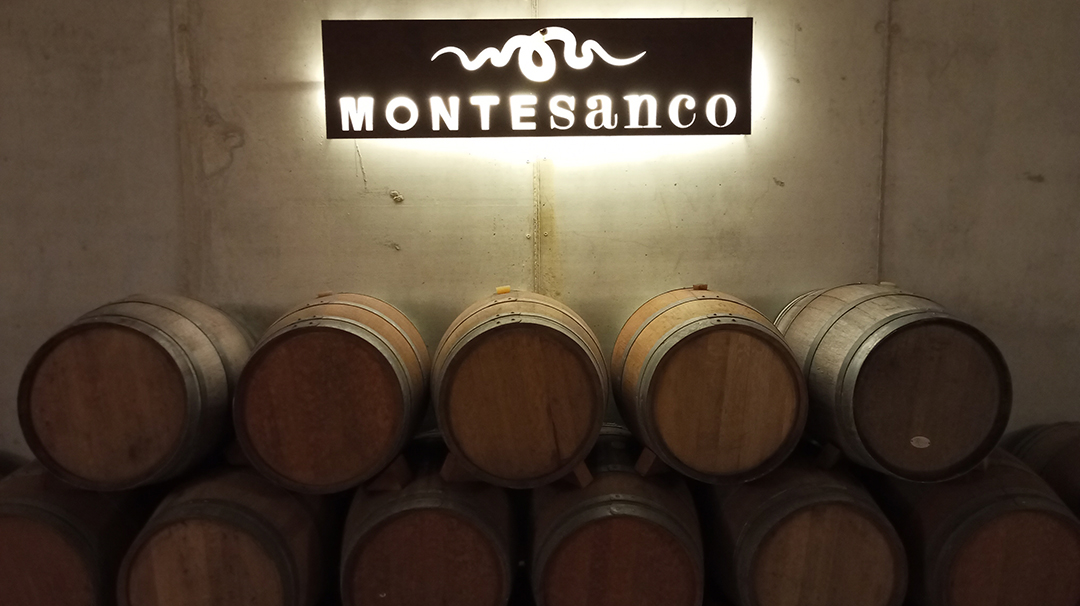
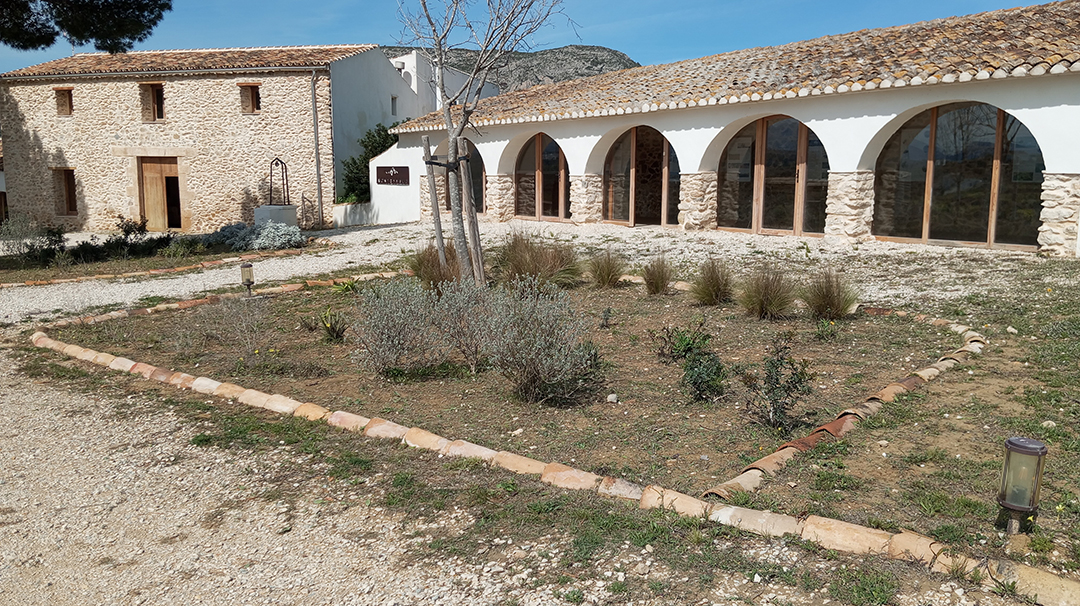
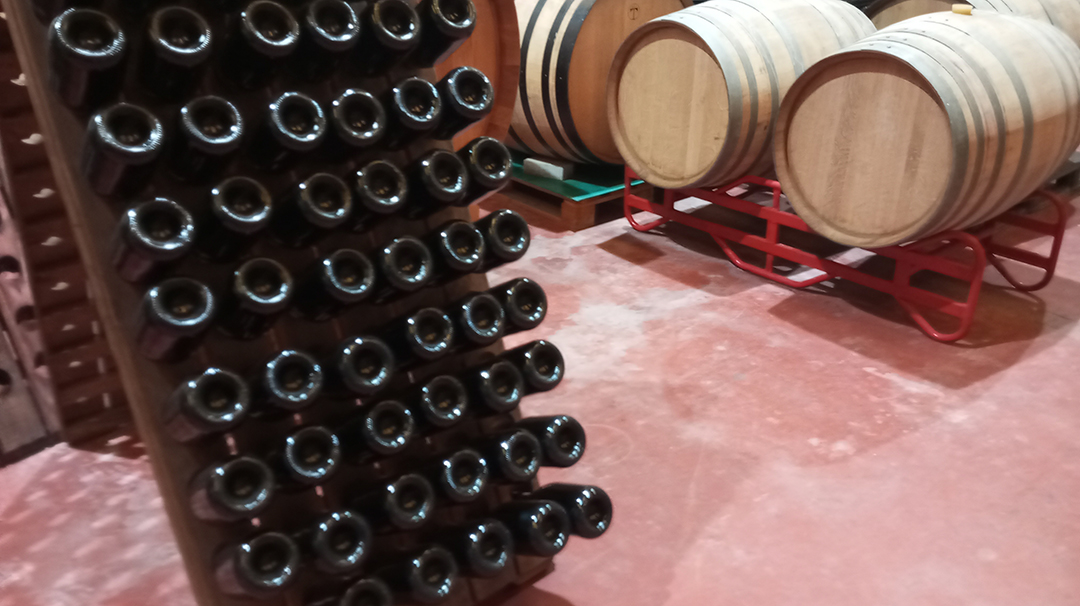
One of the best ones I came across is near the town of Teulada. The family estate is known as Montesanco, and its vineyards lie at the foot of a striking rocky outcrop. They mainly grow Moscatel grapes, once used to produce excellent raisins, but today most of them are turned into wines under the Mon label. They remain faithful to traditional vine-growing methods while also using modern techniques for ageing and maturing the wine. Most of the work is done by hand, including the grape harvest. They grow the vines using organic and biodynamic methods, which means no artificial treatments are used and natural processes are followed as closely as possible. The winery is in an old vineyard building, while the former raisin-drying house has been converted into a restaurant.
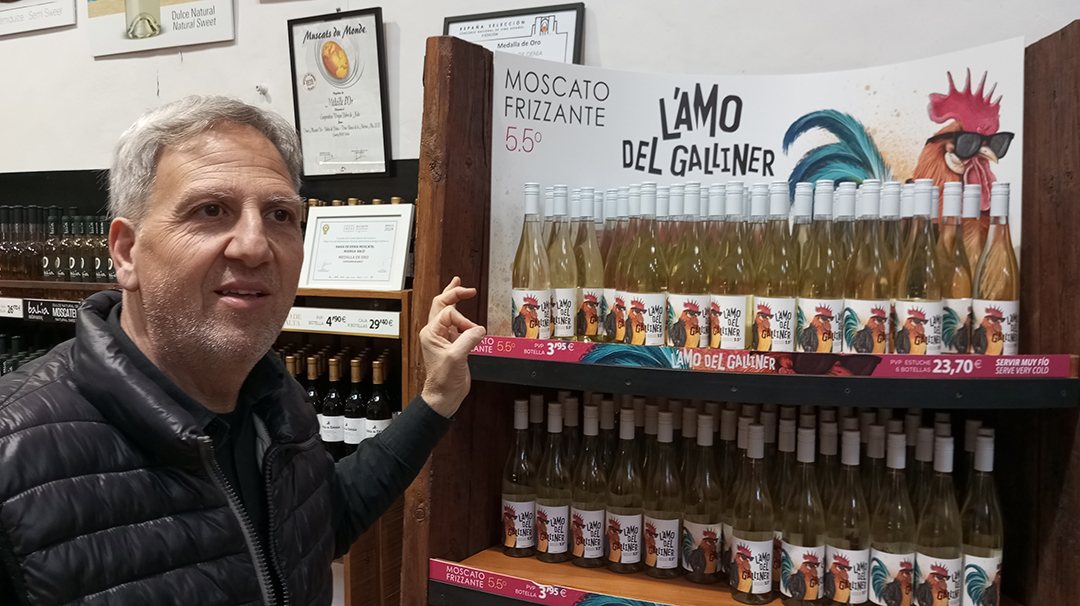
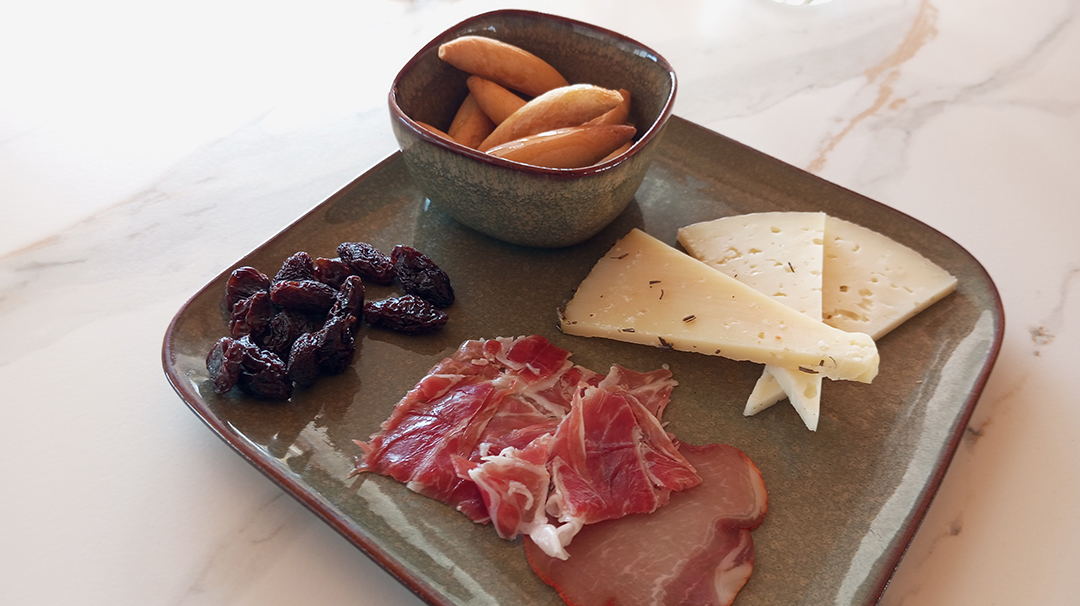
Through glass arches, guests are treated to idyllic views of the vineyard landscape. Here you can enjoy wine tastings, with their wines served alongside local specialities such as cured meats, cheese and olive oil. To start, cava is usually served as a welcome drink, followed by a selection of white and red wines presented with guidance from the sommelier, a role now taken on by Denise, a Dutch woman who chose this part of Spain as her home several years ago.
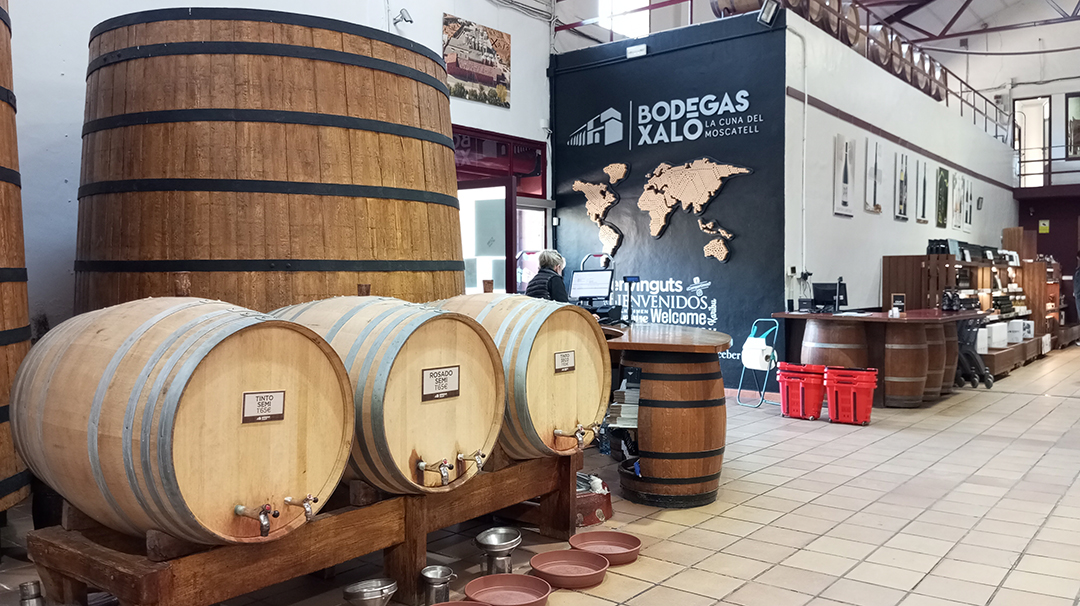
One of the larger wineries in the region is Bodega Xaló, named after its home village. It is a cooperative production involving more than three hundred winegrowers. Their more than sixty-year tradition is reflected in a wide range of wines across all price levels, and they also produce vermouth and the dessert wine mistela. Guided tastings are offered alongside cured meats and cheese here as well. The excellent wine expert Ximo ensures a relaxed and informative experience, presenting the winemaking process and the qualities of their wines in an engaging way that appeals to every customer. This is also reflected in the many awards that they have received.
I remember the Claudio winery for its excellent sparkling wine. This small family business is run by Thamar, a Dutch woman, and her Spanish husband Claudio. Thamar has been working in wine sales for more than a decade, and a few years ago she and Claudio decided to start producing their own wine as well. In the area around Xàbia, they found abandoned vineyards and began growing mostly white grape varieties. As a tribute to the work of previous winegrowers, they named their wines Recordare, which means "to remember". Thamar hosts guided tastings, where there is particular interest in the sparkling wine, known for its pleasant aroma and fruity flavour. The other wines are also excellent, especially the reds, which tend to sell out quickly. The winery produces only a few hundred bottles of each type of wine each year.
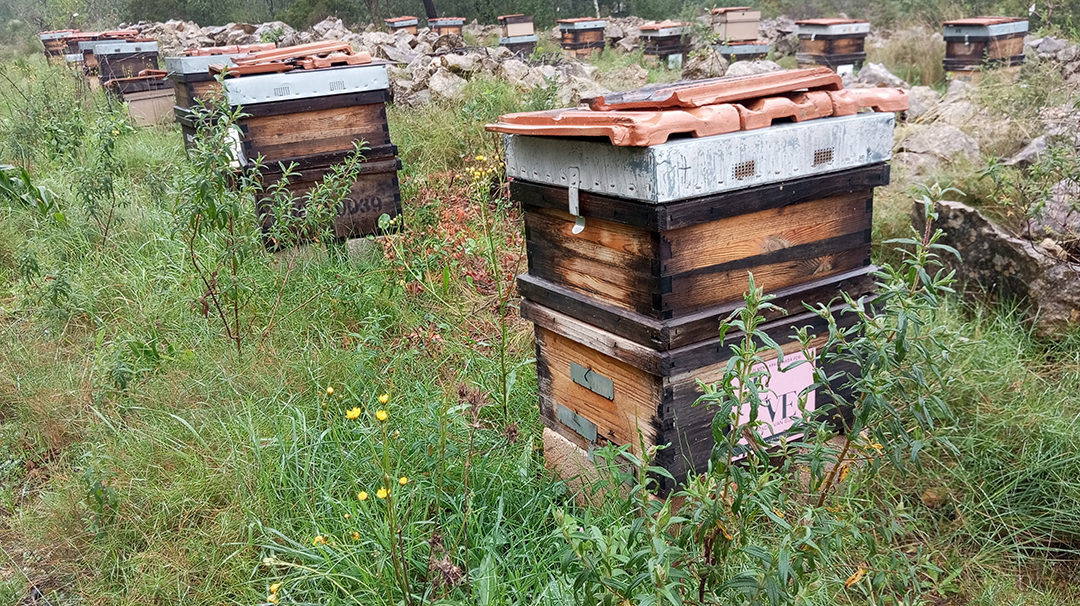
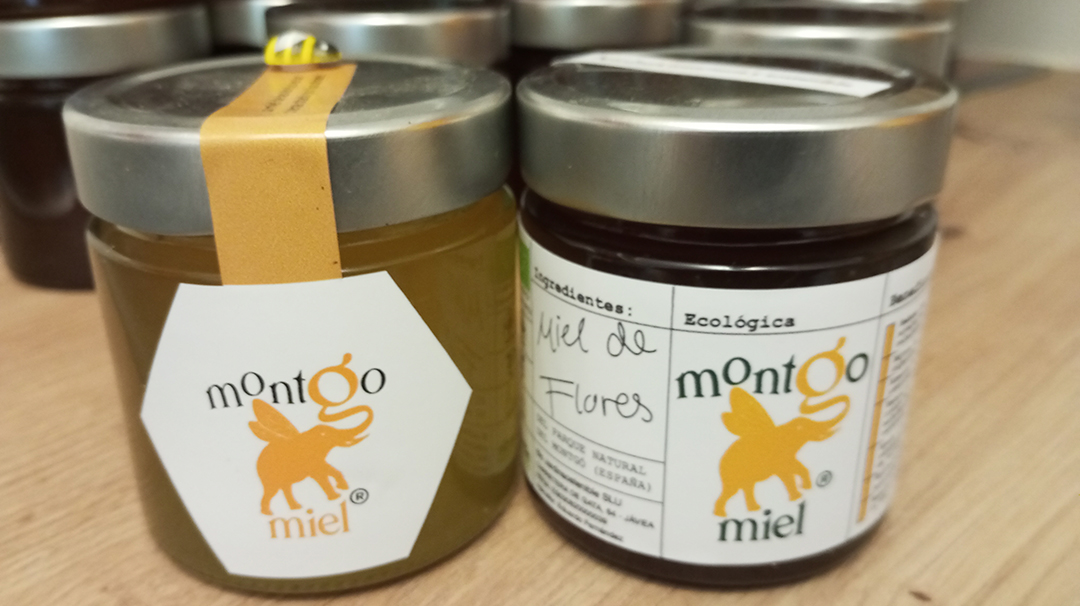
An increasing number of locals and foreigners who have made the White Coast their second home are showing respect for nature and tradition. In Xàbia, a man named Eduardo Fernández produces honey using ecological methods. His hives are placed at the foot of Mount Montgó, which is a nature reserve. The area has a rich variety of plants and wildlife. Among other things, some endemic plants grow there as well.
Eduardo also makes candles and fragrances from beeswax and aromatic plants. In addition, he runs workshops and seminars on beekeeping. Near the hives, he has built a viewing platform in a tall pine tree, where relaxation workshops take place. He markets his beekeeping work under the name Miel Montgó. Eduardo works with the garden design company Jardin Sostenible.
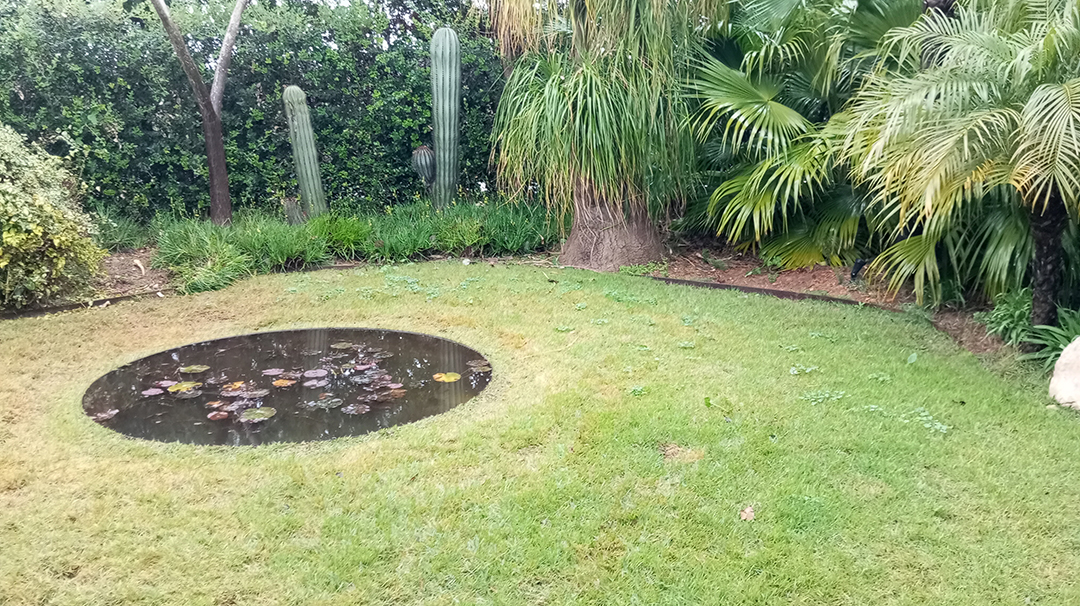
Founder Jan Jacob van Eijle approaches his projects in a sustainable way, which can be seen in his home garden, which feels like a little paradise. The garden is full of tropical and Mediterranean plants, exotic fruit trees and flowering shrubs, and the owners sometimes organise cultural events there.

Copyright (©) 2010 - 2026 Youth Hostel | Our Privacy Policy | Cookies | | RPC