Gran Canaria, one of the Canary Islands’ most popular destinations, is full of contrasts, dramatic landscapes, and beautiful natural scenery. My trip to this sunny island felt like one long discovery of lively city streets and quiet little coastal spots where life moves at a slower pace.
I travelled there in mid-March 2026. The island is just the right size to explore over several days, yet every part of it feels completely different, so each day brings something new. After spending two days in the capital, my friend and I rented a car and went off to explore the island properly.
Gran Canaria is home to around 850,000 people. Most of the people live in and around Las Palmas de Gran Canaria. The island’s economy relies mainly on tourism, which is its biggest source of income. Fishing and agriculture also play an important role, especially banana, tomato, and citrus farming. Thanks to its warm climate all year round, the island has become one of Europe’s most popular holiday destinations.
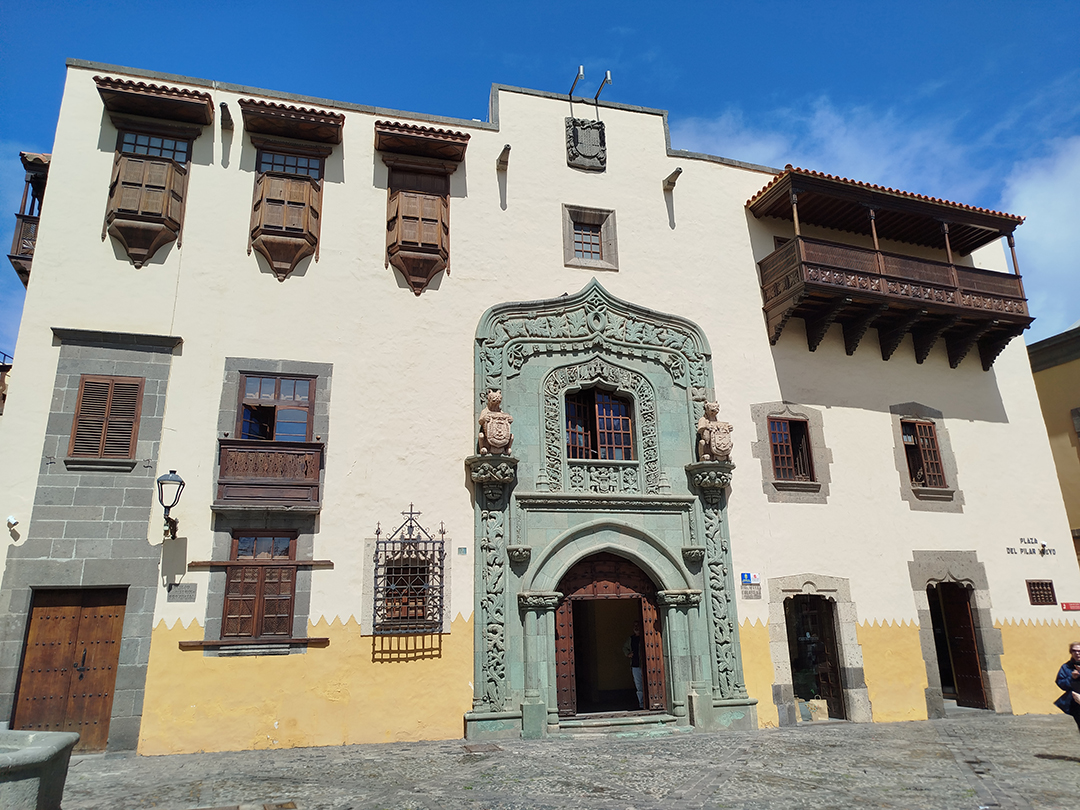
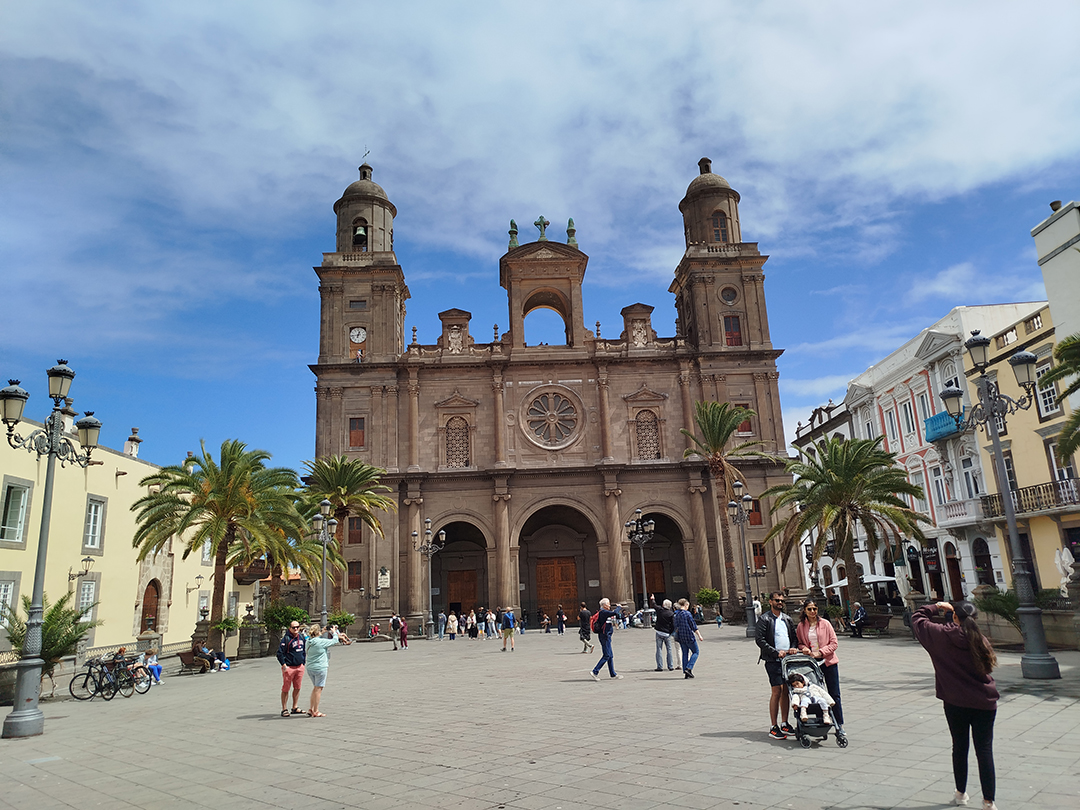
I started my trip in Las Palmas de Gran Canaria, where I fell in love with the lively, easy-going vibe. Walking through the old quarter of Vegueta, I came across narrow streets, cobbled squares, and a huge cathedral watching over the city. The city strikes a perfect balance between culture, beautiful architecture, and modern life.
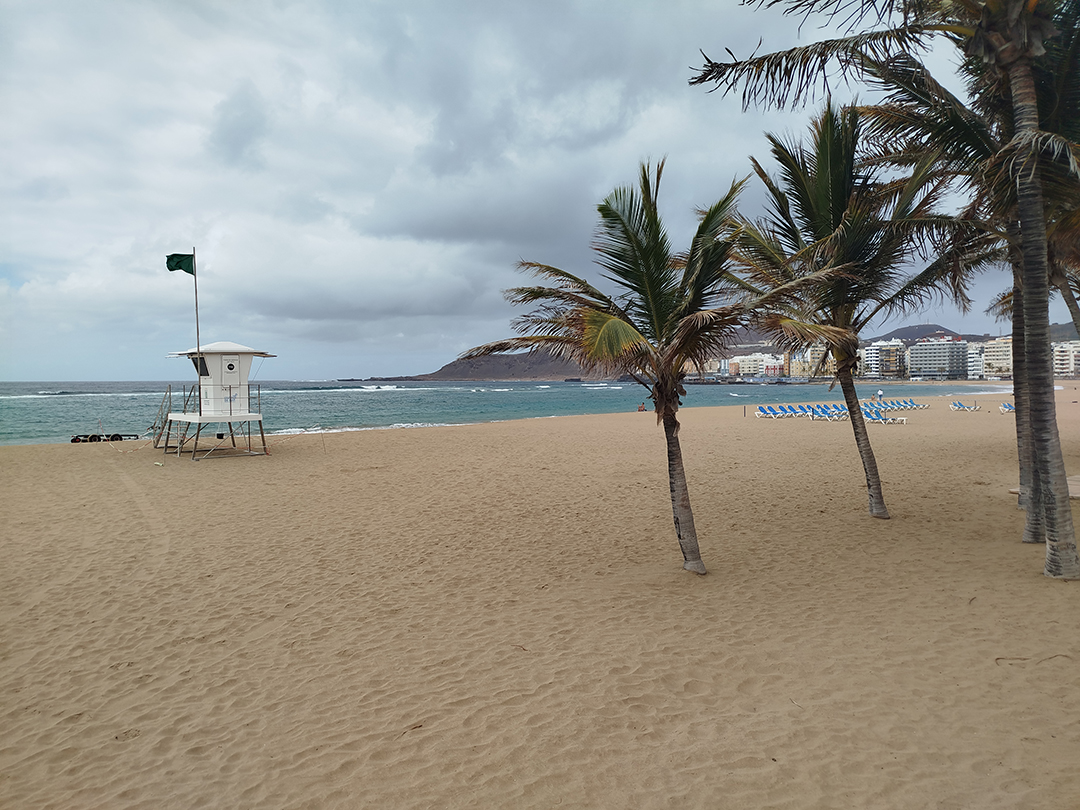
The newer part of town has its own charm too, especially around the famous Las Canteras Beach. You can grab a reasonably priced coffee by the sea, watch beginner surfers trying to catch their first waves, or simply sit back and enjoy the ocean breeze. If the weather turns cloudy and windy, which is quite common in this part of the island, spending a few hours in one of the modern shopping centres is a great alternative, with everything from local boutiques to well-known international brands.
One of the most impressive sights in Las Palmas de Gran Canaria is without a doubt the cathedral in the old part of the city. Its architecture blends several different styles, while the interior feels grand yet peaceful, with enormous columns stretching up towards the ceiling. If you’re curious to see more, you can pay a small extra fee to go up the tower, where you’re rewarded with beautiful views over the old town and the surrounding area.
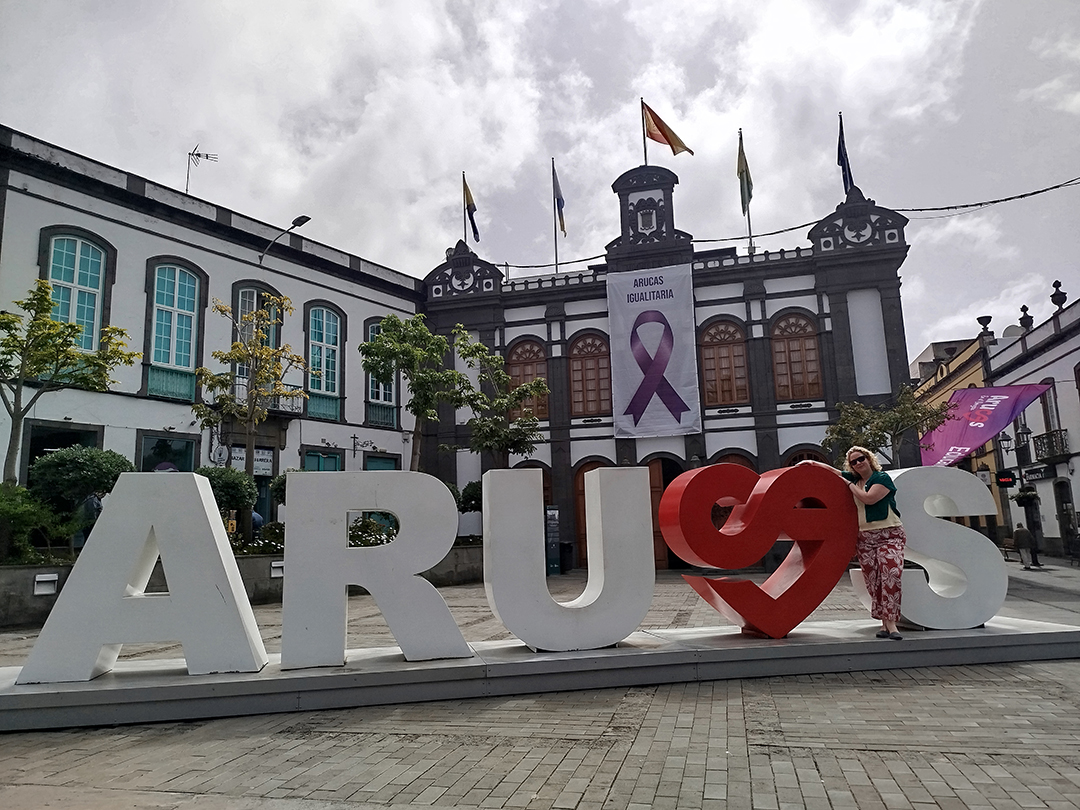
Next came a visit to one of the island’s most famous distilleries, Destilerías Arehucas, which turned out to be a real highlight of the trip. Founded back in 1884, the distillery is considered one of the oldest in Europe and today remains one of the Canary Islands’ leading rum producers. During the guided tour, you get to see how the rum is made, walk through a cellar filled with thousands of oak barrels, and finish the visit with a tasting of different varieties of rum. Just a few minutes away lies the beautiful town of Arucas, with its interesting architecture, narrow streets, and picturesque old centre.
One of the highlights of my trip was visiting the natural pools in Agaete. I arrived there later in the afternoon, so the weather was not exactly ideal for a swim, but that ended up making the place feel even more special, as I could quietly take in the dramatic scenery around me. The pools are formed by volcanic lava and offer a unique way to swim in the Atlantic Ocean with a bit more shelter from the waves. The crystal-clear water, waves crashing against the rocks, and dramatic coastal scenery make this place feel truly special.
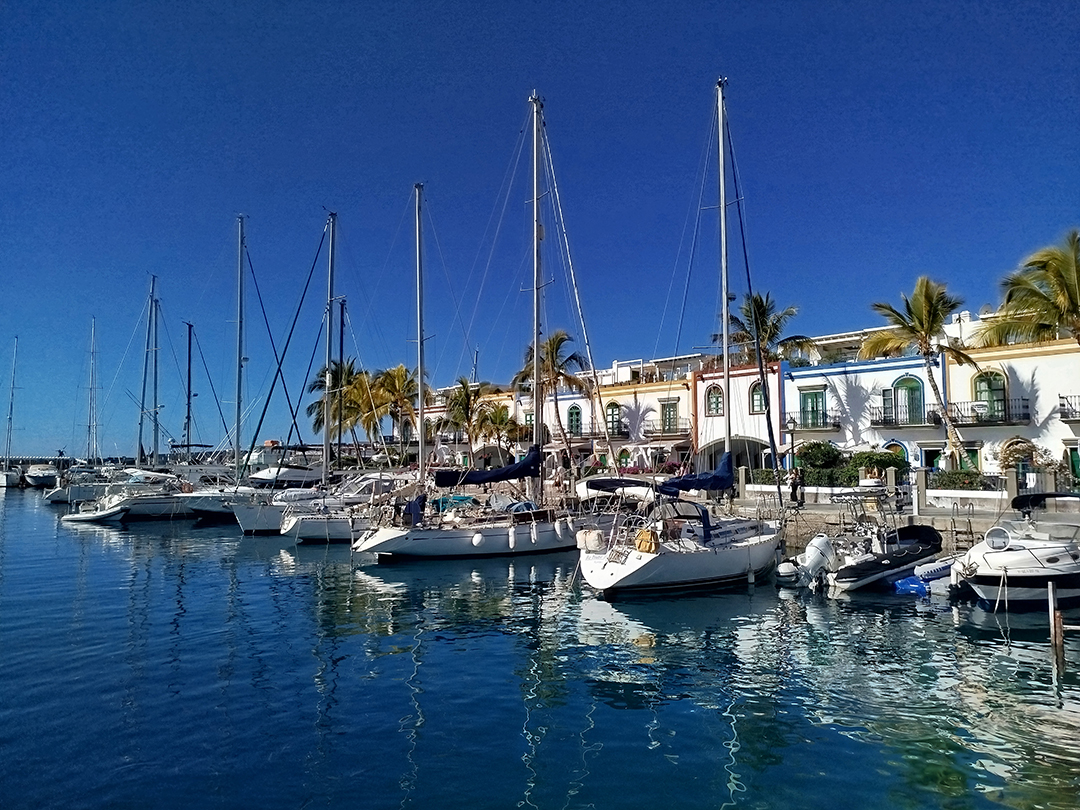
The place that perhaps impressed me the most was Mogán, often referred to as the “Little Venice” of the island. It’s known as one of the most picturesque and upscale resorts on Gran Canaria. Its harbour, known as Puerto de Mogán, is filled with little canals, small bridges, and white houses covered in colourful flowers, giving the whole place a romantic feel. People come here for the relaxed atmosphere, boutique hotels, and excellent seaside restaurants. It’s also one of the sunniest parts of the island, with more than 300 days of sunshine a year on average.
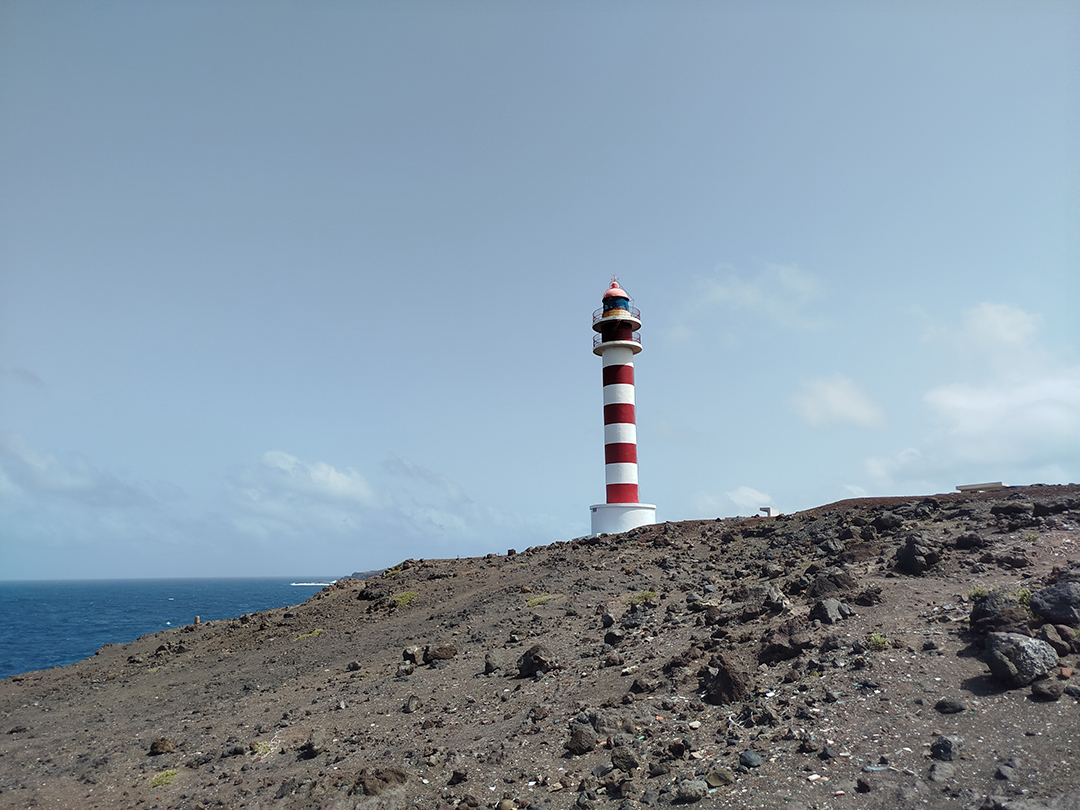
On the northwestern side of the island, I visited the Punta Sardina lighthouse. This less touristy spot is perfect if you’re looking for a more peaceful and untouched side of the island. The views across the endless ocean feel especially magical at sunset, when the sky slowly turns shades of gold, orange, and pink. It’s the kind of place where you naturally slow down and take a moment for yourself.
Not far from the lighthouse lies the small seaside town of Sardina del Norte, which immediately stood out to me for its authentic feel. There’s no mass tourism here, just a simple pace of life, fishing boats bobbing in the harbour, and a relaxed atmosphere. The beach, with its black volcanic sand, feels completely different from the usual seaside spots. It does tend to get into your shoes and onto your clothes, but its unusual colour is exactly what makes the beach so special. Sardina del Norte is also known for its excellent seafood restaurants, where you can enjoy fresh local dishes without spending a fortune.
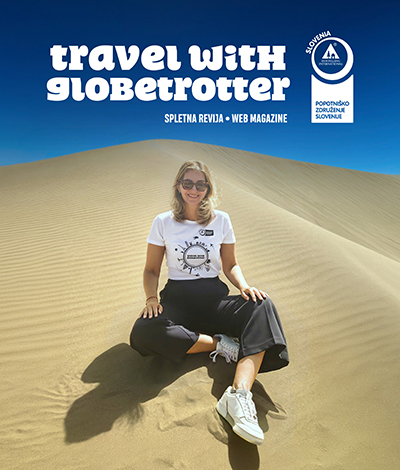
In the south, I visited the famous Maspalomas Dunes, where it genuinely feels like you’ve wandered into the middle of a desert. Walking across the soft sand, with the ocean on one side and palm trees on the other, felt like something completely different from anywhere else on the island. The area is a protected nature reserve and one of the island’s most iconic sights, where the landscape feels wild, untouched, and incredibly beautiful at the same time.
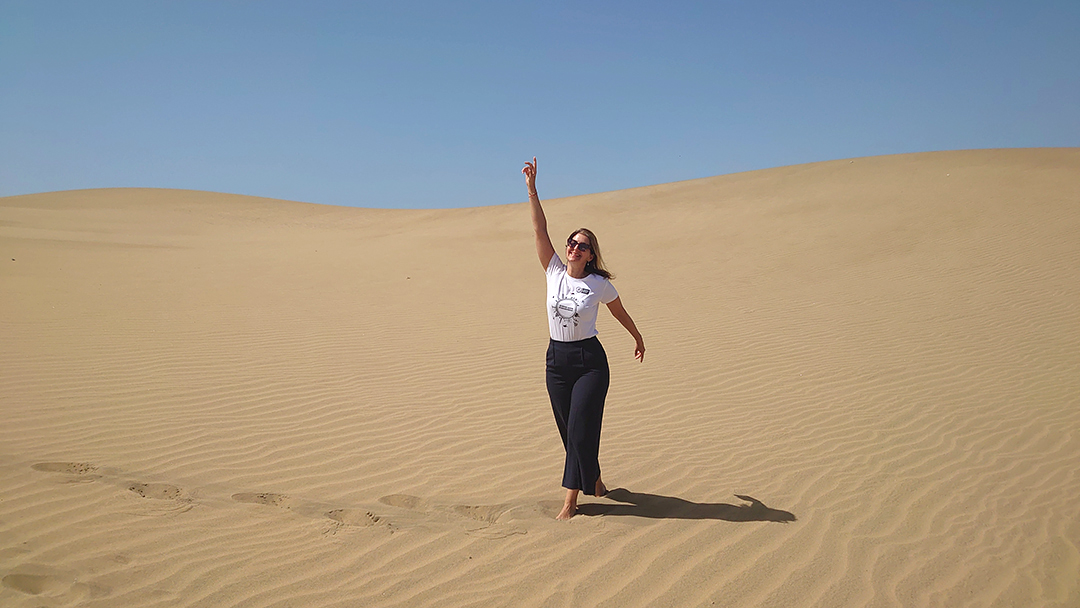
The Maspalomas Dunes stretch across roughly 400 hectares and were formed from sea sand that has been shaped by the wind into rolling dunes over hundreds of years. The area is protected as a nature reserve and includes not only the dunes, but also a lagoon and a palm oasis that provide a home for many different plant and animal species. Thanks to their unique landscape, the dunes are considered one of the Canary Islands’ most remarkable natural attractions.
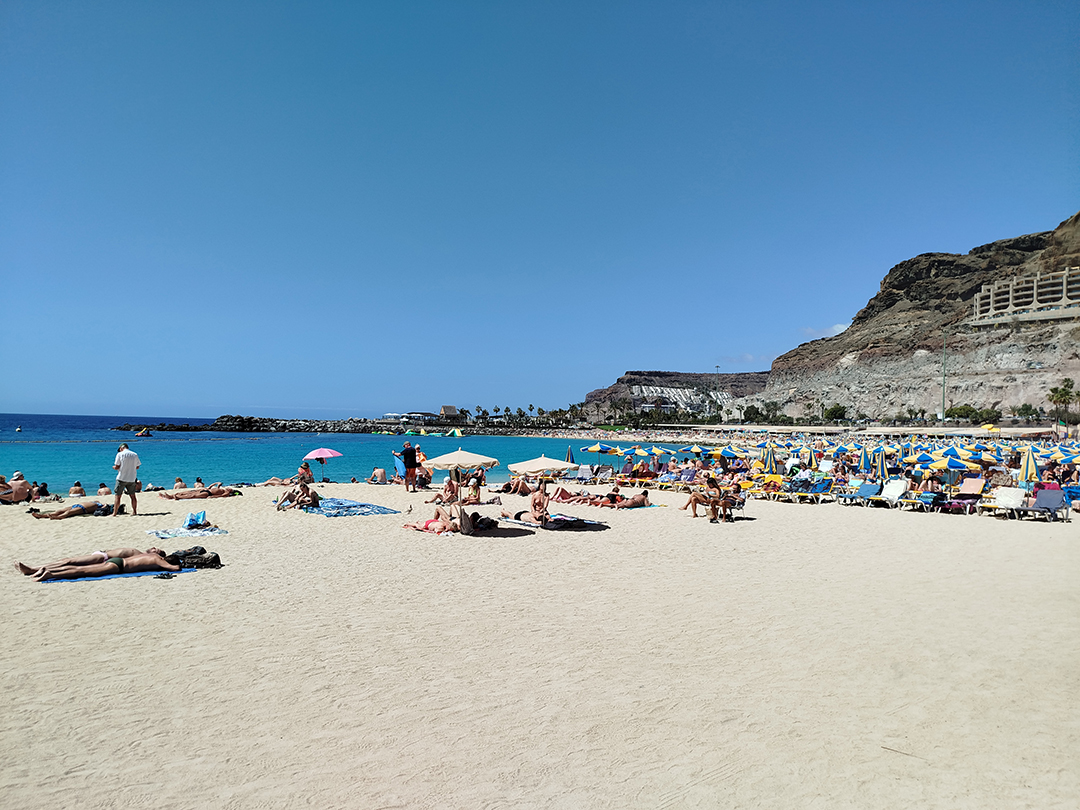
For a bit of pure relaxation, I also spent some time at the Amadores beach, one of the most beautiful beaches on the island. The turquoise water and pale sand give it an almost Caribbean feel. The beach is well kept, calm, and perfect for swimming or simply lying back in the sun. Interestingly, the beach is artificial, which means they brought the sand in to create it, since the natural coastline there is mostly rocky. Even so, the result is incredibly inviting and very popular with visitors.
Gran Canaria surprised me with its variety, from lively city life to wild natural landscapes and peaceful coastal towns. Every corner I visited had its own character and story, which makes the island a perfect destination for both explorers and those simply looking to unwind. This contrast between north and south, city and nature, is what makes Gran Canaria so special. It is the kind of place that you easily find yourself wanting to return to.

Copyright (©) 2010 - 2026 Youth Hostel | Our Privacy Policy | Cookies | | RPC