Along the Arabian Sea on India’s west coast lies Mumbai, the capital of the state of Maharashtra and, with over 20 million people, the country’s third-largest city. It got its current name in 1995, after the goddess Mumba Devi, who was worshipped by the area’s initial residents, the Koli fishermen. The city is best known as the home of Bollywood, the film industry known for producing the most films in the world. Mumbai is also India’s economic hub and home to many of India’s largest companies.
Based on archaeological finds, the first people are thought to have arrived here more than 2,000 years ago. Originally, today's Mumbai consisted of seven islands, mainly inhabited by fishing communities. As early as the Middle Ages, when it was ruled by various Indian dynasties, the area had already become an important port and trading hub. In 1534, the Portuguese took control of Mumbai and named it Bombaim, but by 1661 it was handed over to the British Crown as part of a dowry. Mumbai began to take shape as the city we know today in the 19th century, when the British joined the islands into one landmass and built the infrastructure to support it. In 1947, India gained independence, and Mumbai quickly established itself as one of its most important cities.
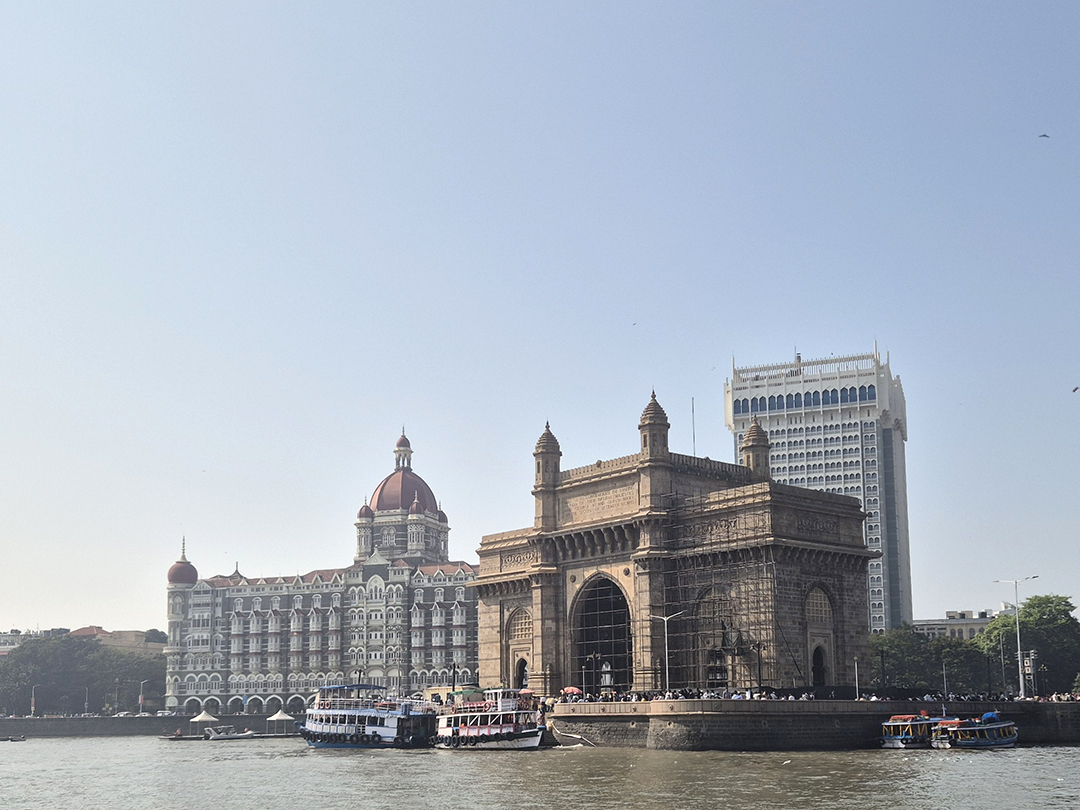
The Gateway of India is a roughly 26-metre-high triumphal arch and one of Mumbai’s most recognisable landmarks. It was built in 1924 to mark the visit of George V, who was then the British king and ruler of India. Standing right by the Arabian Sea, the monument once served as a ceremonial entry point for important visitors to India, and in 1948, the last British troops also left the country through this very gateway.
Right next to the Gateway of India, you’ll find the Taj Mahal Palace, a five-star hotel that’s been open since 1903. With more than 500 rooms, the hotel is considered one of the most luxurious in the East and was built by Indian businessman Jamsetji Tata. Thanks to its grand architecture, the hotel is one of the city’s most recognisable buildings. The best way to visit its interior is to book a table for tea at the Sea Lounge.
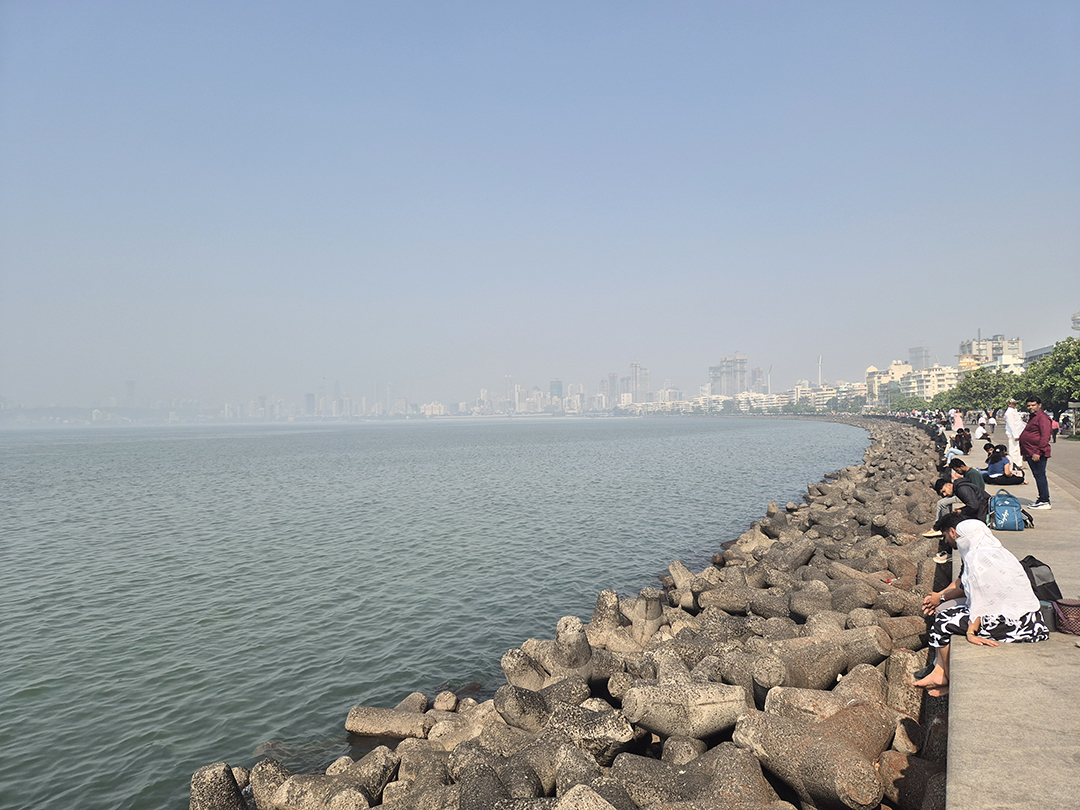
Marine Drive is a roughly 3.6-kilometre-long seafront promenade and one of the liveliest parts of the city. It was built in 1940 to connect the areas of Nariman Point and Girgaon Chowpatty. Because of the way the lights curve along the bay at night, it’s also known as the Queen’s Necklace.
Bandra is located in the suburbs and is known as one of the city’s most trendy neighbourhoods. It’s best known for the seafront promenade Bandra Bandstand and the over 5-kilometre-long Bandra–Worli Sea Link, which links the south of the city with the western suburbs. The neighbourhood is also home to many Bollywood stars, which is why it’s often called India’s Beverly Hills.
Chhatrapati Shivaji Terminus is one of the busiest railway stations in the world and is also listed as a UNESCO World Heritage Site. It was built in 1887 in the Italian Gothic style during British colonial rule and was originally called Victoria Terminus. Today, the station is named after Chhatrapati Shivaji Maharaj, a national hero and founder of the Maratha Empire.
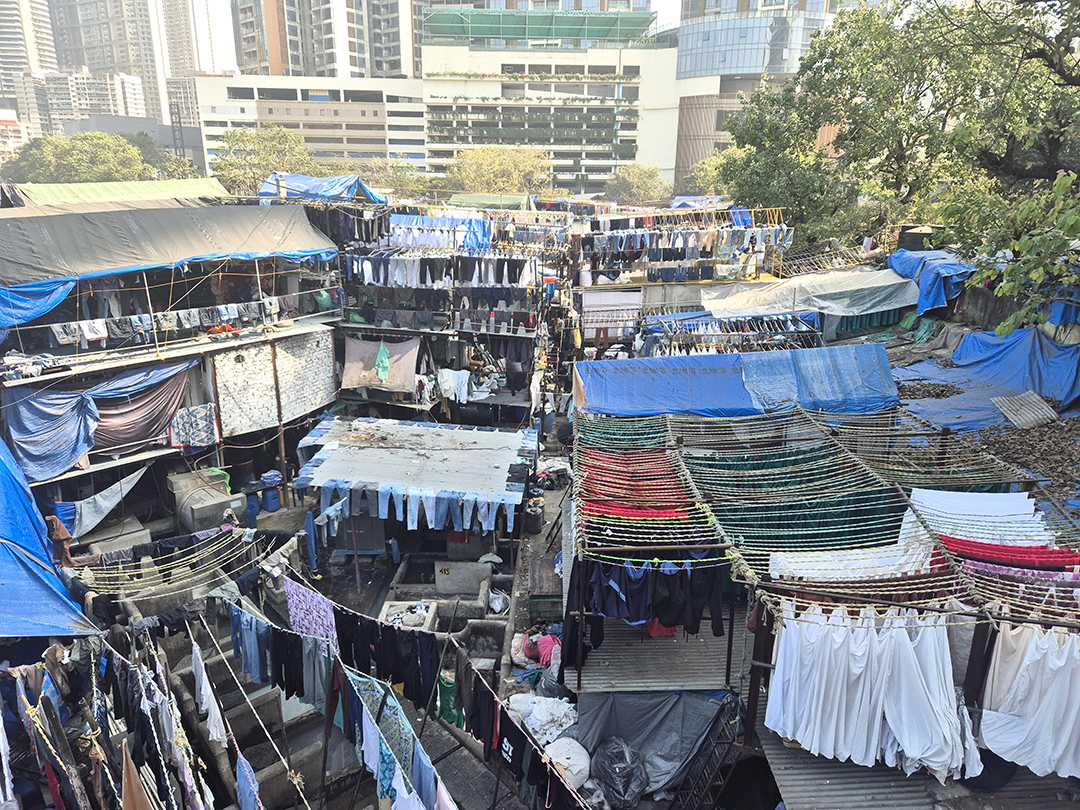
Dhobi Ghat is considered the largest traditional open-air laundromat in the world. It was set up in 1890 and still runs much the same way today. Hundreds of laundry workers live and work here, hand-washing clothes every day for hotels, hospitals, restaurants and locals in stone troughs using soap and water. In 2011, they even set a Guinness World Record for the most people hand-washing laundry at the same time.
Shree Siddhivinayak was built in 1801 and is one of Mumbai's most visited temples. It’s dedicated to Ganesha, the remover of obstacles and a symbol of luck and success, and is best known for its black stone idol. The Shri Mahalakshmi Temple is dedicated to Mahalakshmi, the goddess of wealth, prosperity and good fortune. It was built in 1831 and became an important pilgrimage site, especially during the festival of Navratri. Haji Ali Dargah is an Islamic shrine built in the 15th century. It sits on a small islet, linked to the mainland by a narrow path that’s only accessible at low tide.
The Elephanta Caves are a group of seven ancient rock-cut caves on Elephanta Island, about 11 kilometres east of Mumbai in the Arabian Sea. You can reach the island by boat from the harbour near the Gateway of India. They were built around the 5th and 6th centuries and are listed as a UNESCO World Heritage Site. They’re best known for their rock-cut sculptures of Shiva, one of the main gods in Hinduism, who represents creation, preservation and destruction. In the 16th century, Portuguese explorers came across the island and, unfortunately, also damaged some of the sculptures.
Right in the heart of Mumbai lies Dharavi, often described as one of the largest slums in the world. Stepping into Dharavi, where over 1.5 million people live in just over two square kilometres, is one of the most authentic cultural experiences you can have. At the same time, there’s hardly any place that’s been more misrepresented. Dharavi is, in fact, an economic hub, home to industries like recycling, leatherwork, textiles, pottery and food production, with estimated annual revenues of over one billion US dollars. Even so, workers earn only a few rupees a day and live and work in extremely modest conditions.
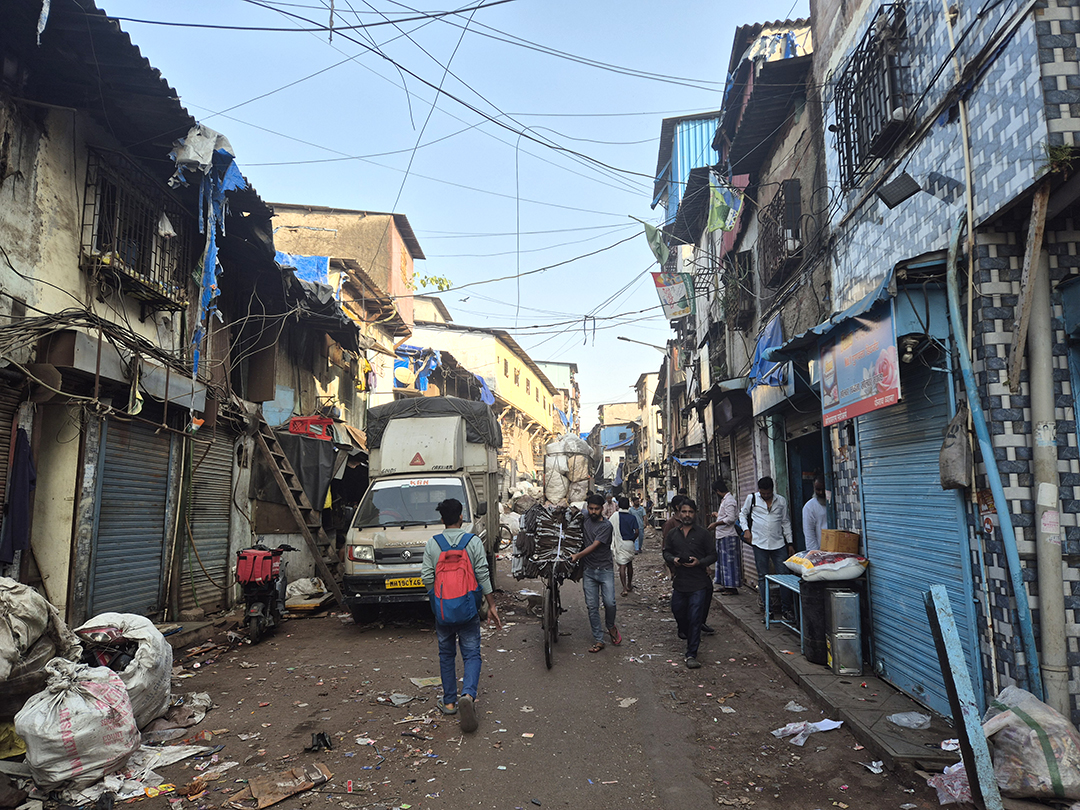
As soon as you land at Chhatrapati Shivaji Maharaj International Airport, you’ll notice on the drive to your accommodation the constant shift from towering high-rises to poorer neighbourhoods. In Mumbai, the social contrast feels stronger than anywhere else, but that’s also part of what makes the experience so unique to India. Mumbai is often seen as a city of dreams, and for many Indians chasing success, it’s where they end up sooner or later.

Copyright (©) 2010 - 2026 Youth Hostel | Our Privacy Policy | Cookies | | RPC