On the far eastern side of Asia sits Shanghai, the largest city in China, with a population of nearly 25 million. People first settled there more than six thousand years ago, and for a long time it was nothing more than a small fishing village. It was only in the 19th century that the city really started to develop as it spread out along both sides of the Huangpu River. Today, Shanghai is the economic capital of China and one of the world’s most important global cities. At the same time, it is a clear example of the country’s rapid technological development, alongside traditional culture that is still present throughout the city today.
You will most likely arrive in Shanghai via Pudong International Airport. Even the journey from the airport into the city centre is an experience in itself, since you can take the Maglev train, which uses magnetic levitation technology and reaches speeds of around 300 kilometres per hour. In just over eight minutes, you will reach Longyang Station, where you can then switch to the metro. Public transport in Shanghai is extremely efficient and tourist friendly. Shanghai’s metro system, with 19 lines, is considered the largest in the world and will get you pretty much anywhere you want to go.
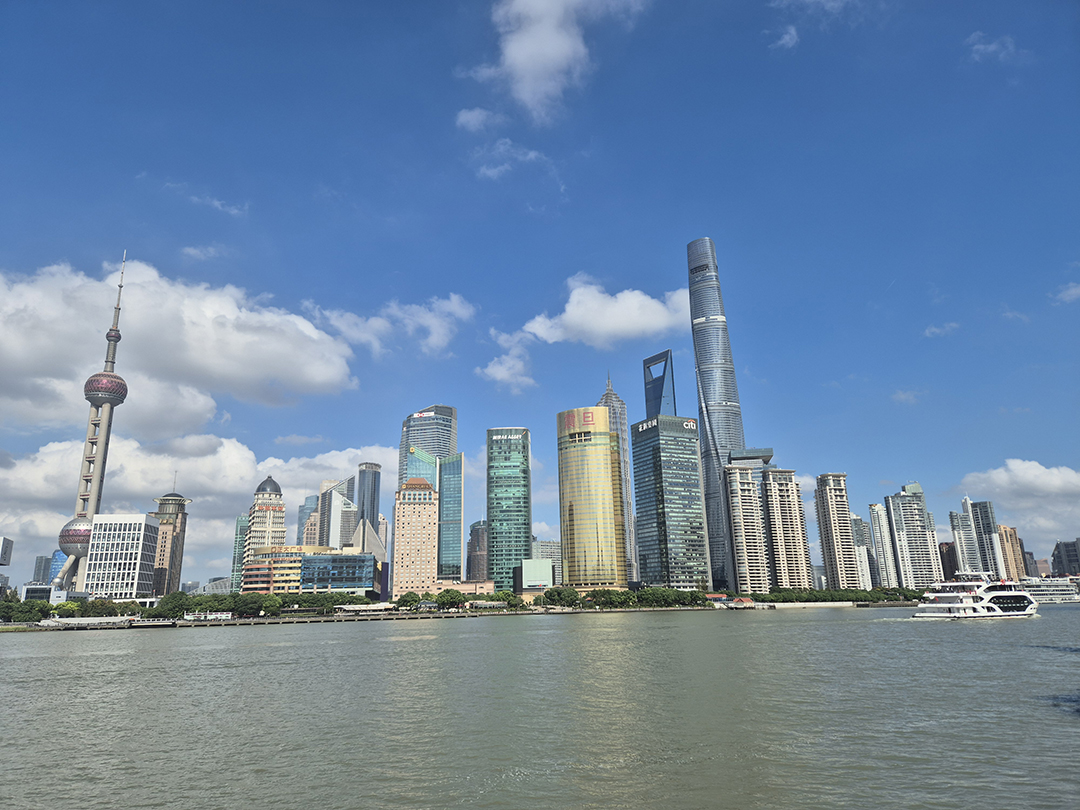
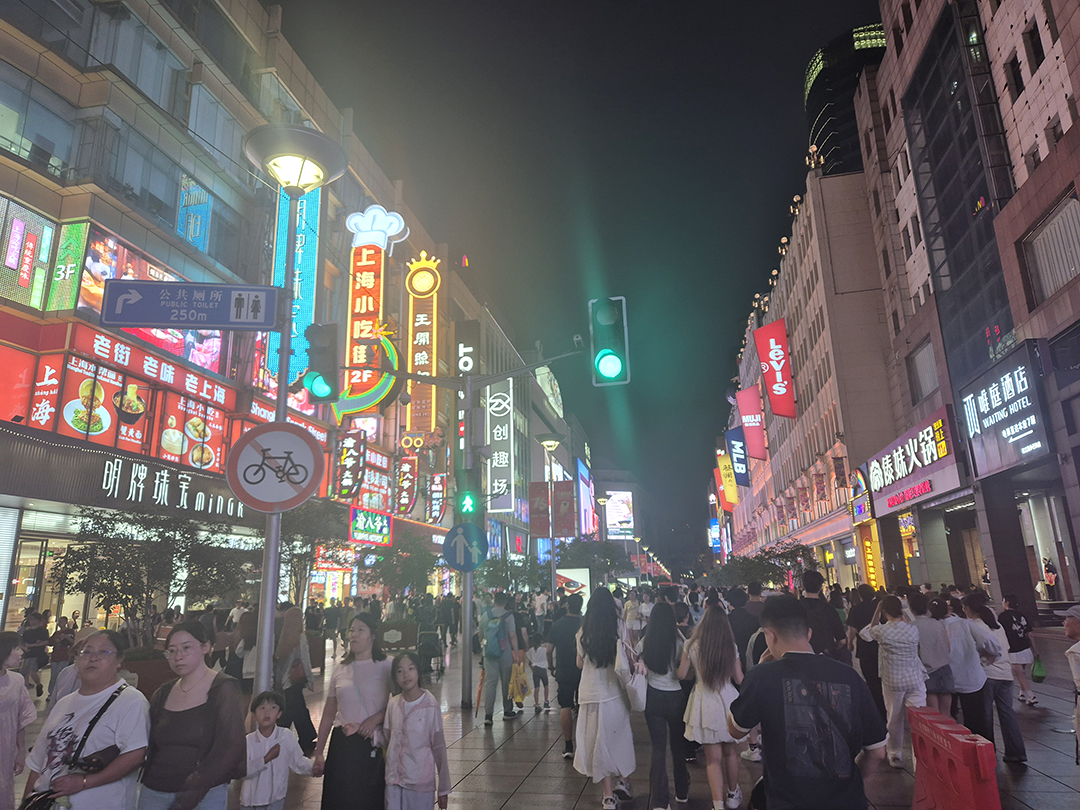
The city centre is the area around People’s Square, where you will find government buildings and the Shanghai Museum. Next to the square you will find People’s Park, which is also where you should look for a place to stay. Nanjing Road is the world’s longest shopping street, stretching about 5.5 kilometres, with more than one million visitors every day. The eastern part of the street is full of shopping centres and takes you from People’s Square to the city’s most popular tourist attraction, the Bund. That is a riverside promenade along the Huangpu River, which at dusk offers beautiful views of the skyscrapers in the Lujiazui area. One of these skyscrapers is Shanghai Tower, which stands at 632 metres tall and is the third tallest building in the world. You can take the world’s fastest lift to the 121st floor, where you get a stunning view over the city. Next to it stand the 468-metre-tall Oriental Pearl TV Tower and the large IFC shopping centre.
Shanghai is one of the fastest developing cities in the world, yet it still lets you experience a part of China’s history. The Jade Buddha Temple was built in 1882, while the Jing’an Temple already existed before the Common Era, although it was renovated into its current form in 1983. In the Old Shanghai area, you will also find Yu Garden, which was designed in 1559 during the Ming dynasty. Nearby are the City God Temple and the Yuyuan Bazaar. In the former French Concession area, you will find the traditional Tianzifang street, where many shops and restaurants come to life mainly in the evening. Xintiandi is an area in the former French Concession that was transformed at the end of the 20th century, known for shopping and nightlife. In China, it is also considered one of the most expensive areas to live in.
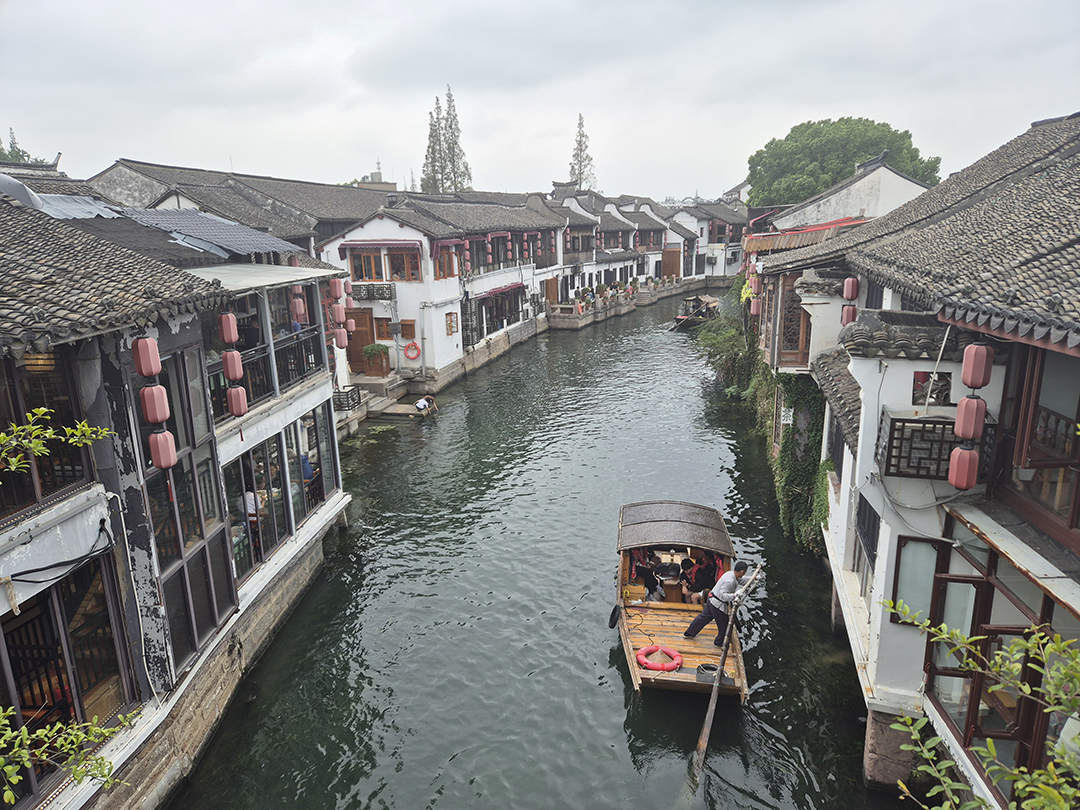
About 45 kilometres outside the centre of Shanghai, you will find the water town of Zhujiajiao that can be reached by metro. The town is believed to have been founded more than 1,700 years ago, although some archaeological finds date back over five thousand years. Zhujiajiao once relied on the textile industry and rice production, but today it has become a popular tourist destination. The town has kept its ancient appearance, and what makes it special are its many canals and 36 stone bridges. You can get around it by boat, and along the canals there are plenty of restaurants and shops.
Even though Shanghai is the third most populous city in the world, it doesn’t feel like it is, since most of it is extremely well organised, clean, and safe. The city leaves you speechless with its futuristic feel, which in many places still sits alongside traditional Chinese culture. Three days is enough to see all the main sights mentioned, but from Shanghai Hongqiao railway station you can also take high-speed trains for day trips to Suzhou or Hangzhou.
China offers plenty of reasons to make it your next travel destination, which you can read more about in the first part of this article. Travelling to China does take a bit of preparation, which is why the practical tips in the second part of this guide will come in handy while planning your trip.

Copyright (©) 2010 - 2026 Youth Hostel | Our Privacy Policy | Cookies | | RPC