In the first part we touched upon the evolving conditions stemming from the tightened U.S. embargo—a challenge which Cuba, despite all hardships, continues to withstand admirably. It remains the safest country in Latin America and an exceptionally rewarding destination to visit. Precisely because of these altered circumstances, travellers are welcomed not merely as tourists, but as true friends who have chosen to experience this enchanting Caribbean island despite negative media portrayal.
Despite fuel shortages, travelling across the island remains entirely feasible. Cuba is currently experiencing a significant scarcity of fuel, as the United States imposes threats upon any entity assisting the Cuban populace with supplies. Oil on the island serves not only transportation needs but also stands as the primary source for electricity generation. Consequently, this leads to scheduled power outages and a reduced frequency of waste collection, most noticeably in Havana.
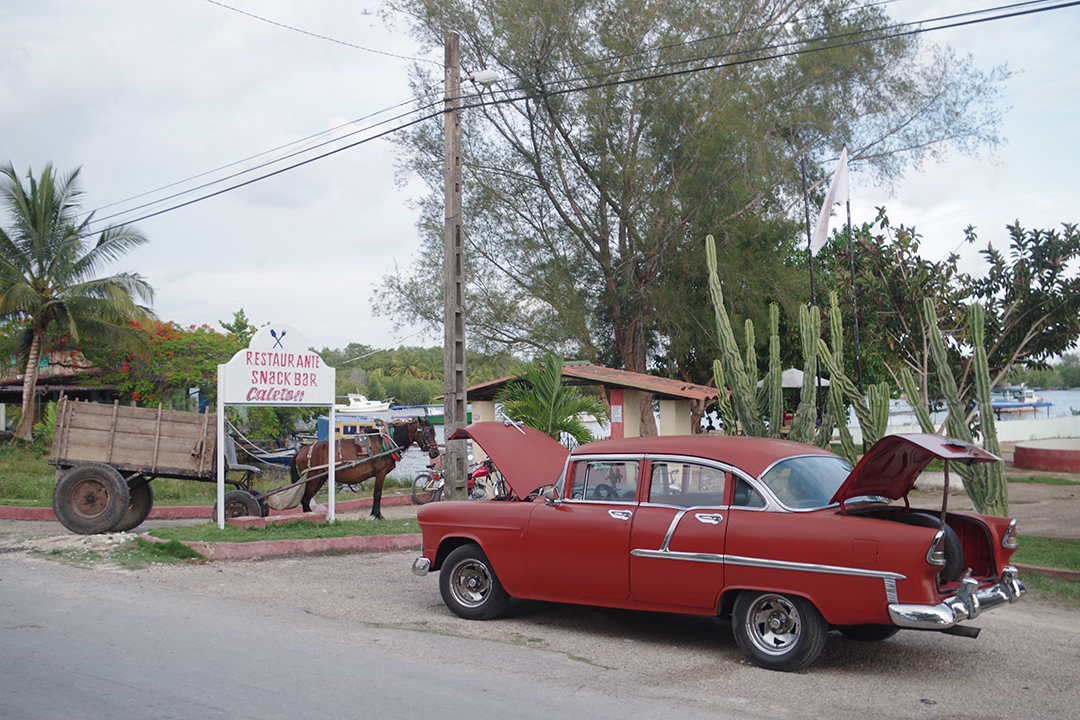
Although renting a car offers the finest way to explore the island, it demands meticulous planning. Only select service stations supply fuel for rental vehicles, and even then, under strict limitations. For those visiting Cuba for the first time, I strongly recommend utilizing hired cars with private drivers, shared taxis, or long-distance buses, as this entirely bypasses the complexities of fuel procurement.
A private car with a driver affords the luxury of custom stops and sightseeing along the way. For independent travellers, shared taxis (where one pays per seat and departs once full) and long-distance buses remain available. Among the latter, Viazul stands out as an exceptionally reliable carrier. It offers a comprehensive network, ranging from airport transfers to Havana for 10 euros, transport from Havana to Varadero for 22 euros, to the distant journey of nearly 900 kilometres to Santiago de Cuba for 70 euros. While private drivers and traditional taxis command higher fares, for a party of four the cost becomes quite comparable to the bus, particularly over shorter distances.
This year, eight of us embarked on a joint journey across Cuba, six of whom were visiting for the very first time. For this reason, I once again decided to commence our exploration in the small, sprawling coastal village of Playa Larga.
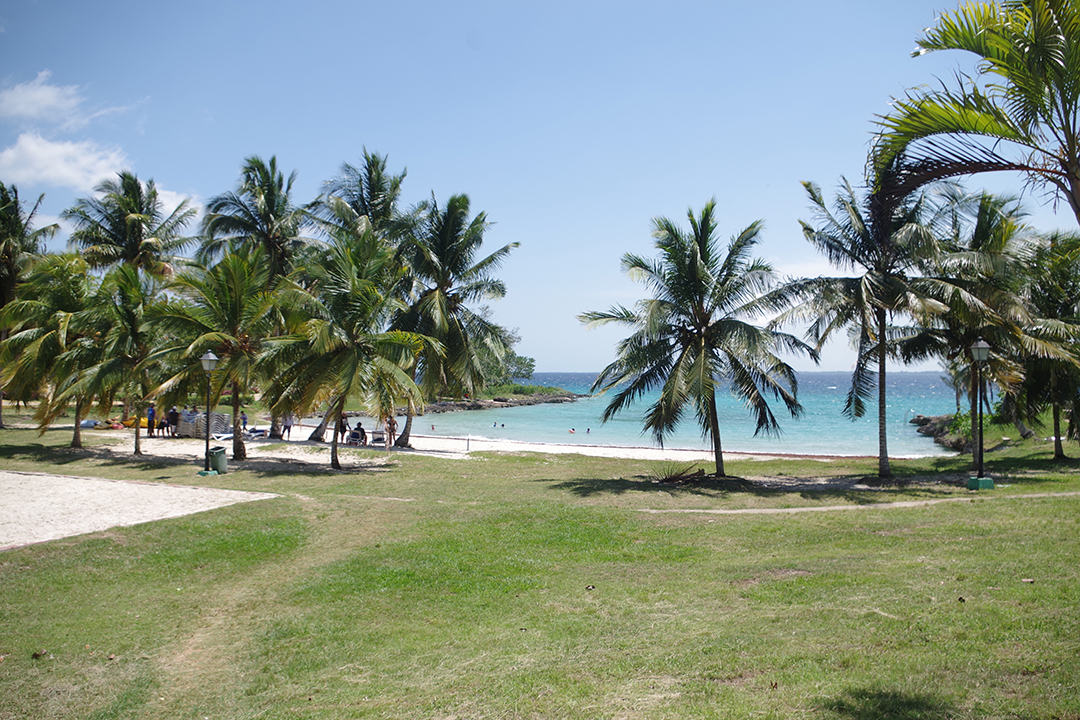
Playa Larga is situated on the very edge of the Ciénaga de Zapata National Park—the largest and best-preserved wetland in the Caribbean, protected as a Ramsar site and a UNESCO Biosphere Reserve. Owing to these environmental designations, the Cuban government permits only ground-level or single-story structures without deep foundations, a regulation applying equally to private residences, banks, and medical clinics alike.
These restrictions, however, yield a profound advantage: the area is free of massive hotel complexes, allowing tourism to thrive predominantly through private accommodation hosts and local dining establishments. Among these, I wish to highlight Don Luis, a private host and restaurant offering four comfortable guest rooms, each fitted with a single and double bed, air conditioning, and a private bathroom at an exceptionally reasonable rate. In addition to breakfast, their restaurant serves exquisite Cuban cuisine, remarkably affordable meals, and a wide array of classic Cuban cocktails. Although lobster is by no means rare in Cuba, a full lobster dinner for under 10 euros remains a delightful surprise.
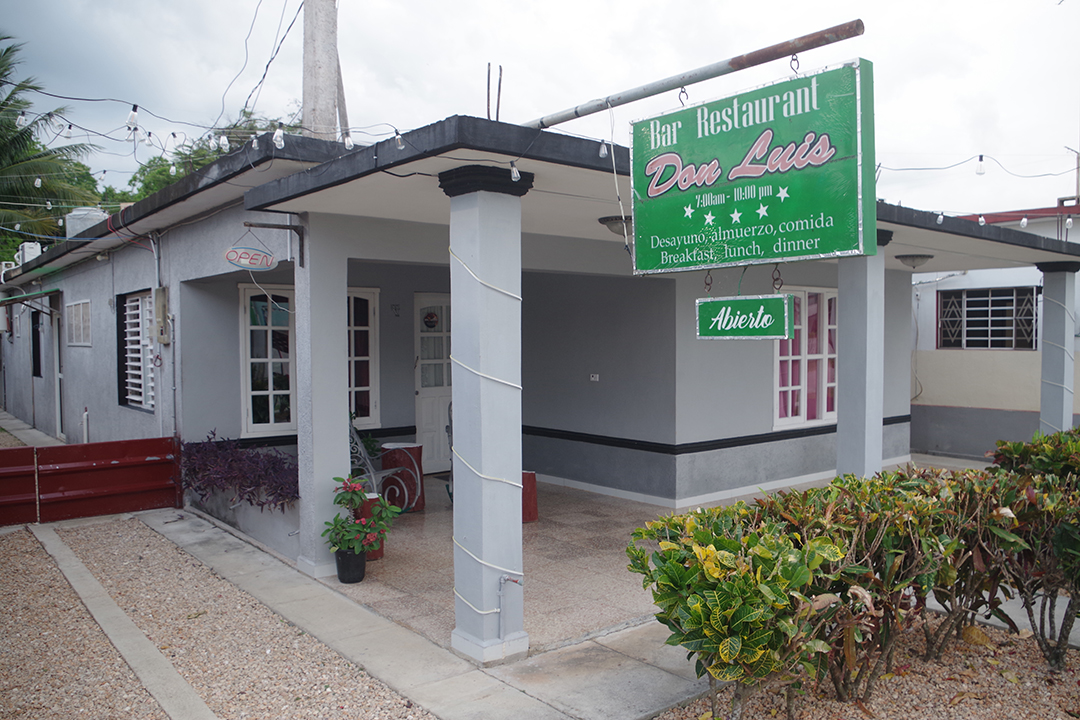
The primary reason I recommend this particular lodging lies in the host’s clever adaptation to the energy crisis: Mr. Luis equipped the entire property with solar panels and robust storage batteries, supplying power for all necessities. While it cannot continuously power the air conditioning, the rooms remain pleasantly cooled from the hours when the main grid is active.
These very charms made Playa Larga our welcoming retreat for several days. Beyond its serene beaches lies the Ciénaga de Zapata National Park, home to a natural reserve where countless bird species nest, ranging from flamingos to albatrosses. Beyond standard guided tours, specialized excursions are available for dedicated birdwatching enthusiasts.
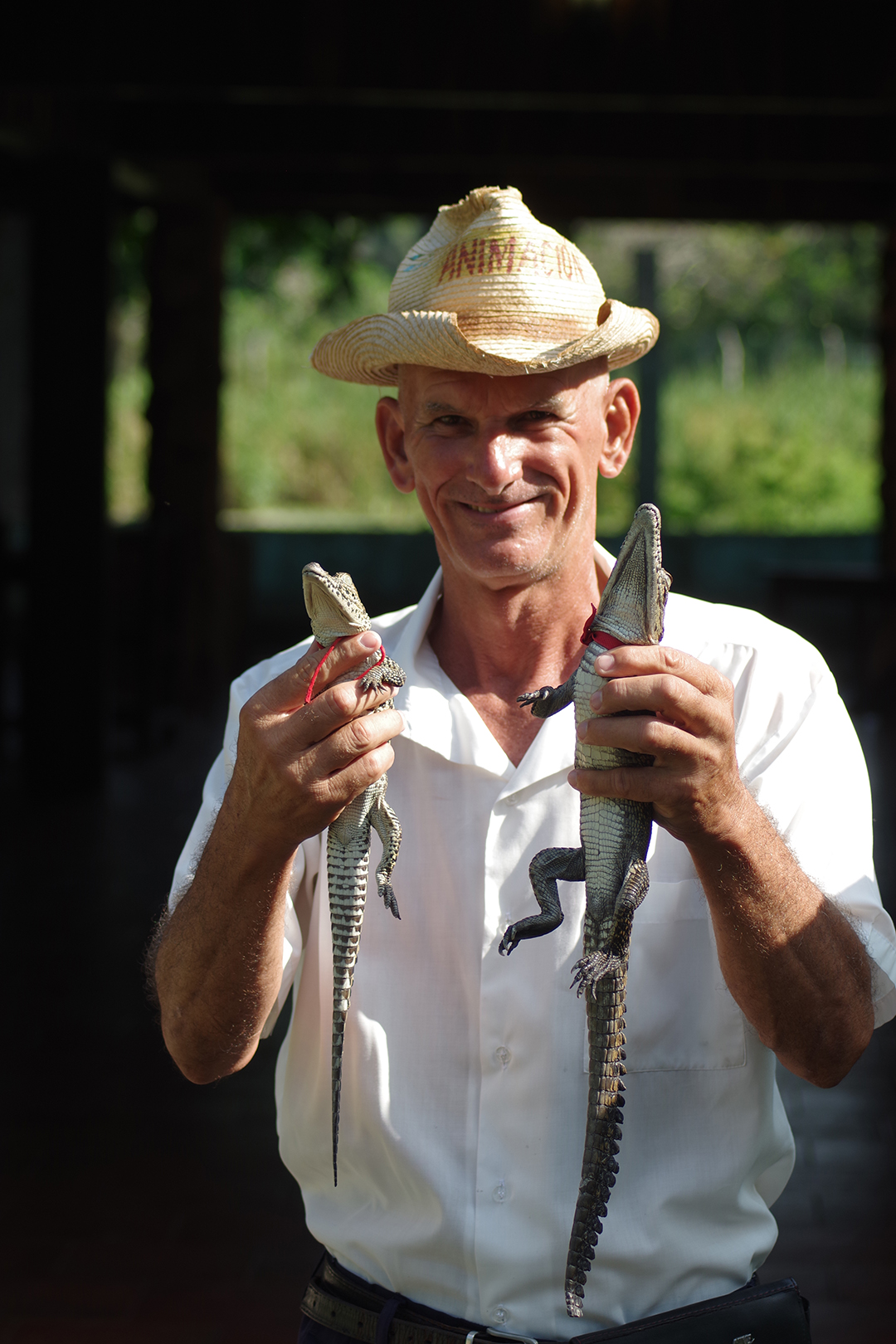
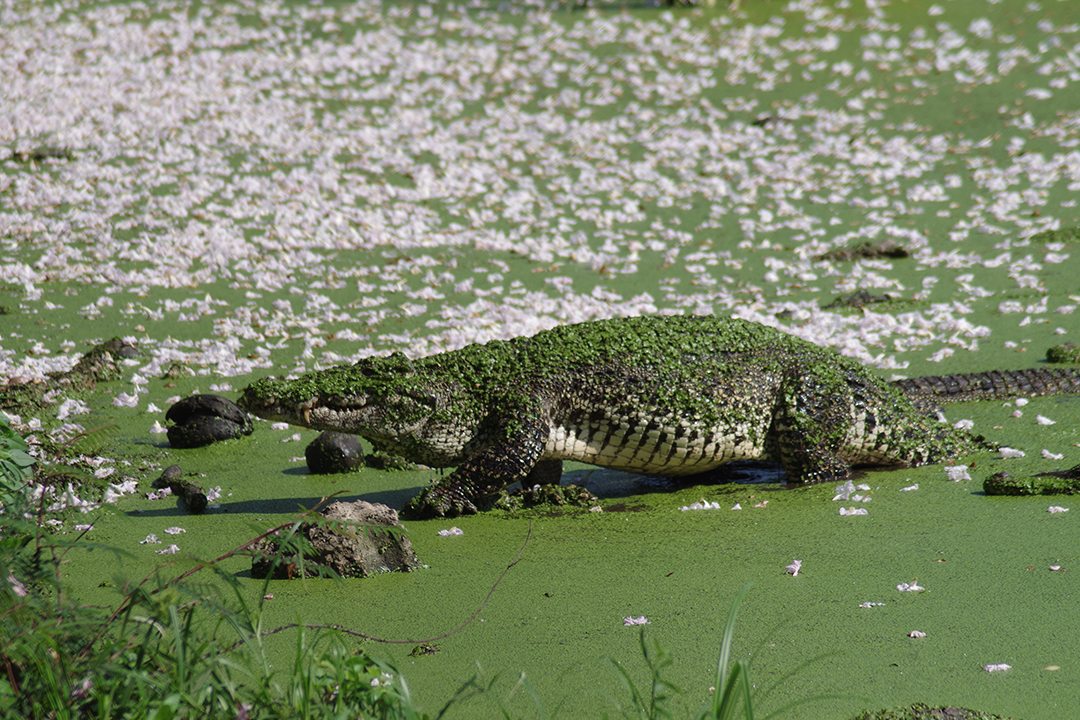
A few kilometres away lies the Boca de Guamá crocodile farm, from which boat trips depart toward a reconstructed Taíno indigenous village on Lake Laguna de las Salinas. While the crocodile farm itself is well worth a visit, the reconstructed village offers merely a historical representation of indigenous life, as the native population was decimated during the Spanish conquest.
The Sendero Enigma de las Rocas—which translates as the "Trail of the Rock Enigma"—leads travellers through primeval forest rich in native flora and fauna. Although accessible without a guide, hiring a local expert is highly recommended; a guide knows precisely which rock to overturn to reveal a hidden crab, which cavern houses roosting bats, or in which canopy a day-owl resides.
Underwater life is equally magnificent, making an organised scuba dive highly advisable. Introductory dives are available for beginners at a slightly higher rate than for certified divers, as Cuban regulations require a dedicated, experienced instructor to accompany each beginner at all times to ensure utmost safety.
Playa Larga is located within the Bay of Pigs, historically renowned for the failed U.S.-backed invasion of Cuba in 1961. Consequently, the area features several significant historic sites.
By far the most prominent is the Girón Museum in Playa Girón, roughly a half-hour drive away. Outside, visitors are greeted by an authentic British Hawker Sea Fury fighter aircraft that once defended Cuban airspace. Inside, a short documentary brings history to life, while authentic weaponry, uniforms, and personal artifacts vividly convey the tension of the Cold War era.
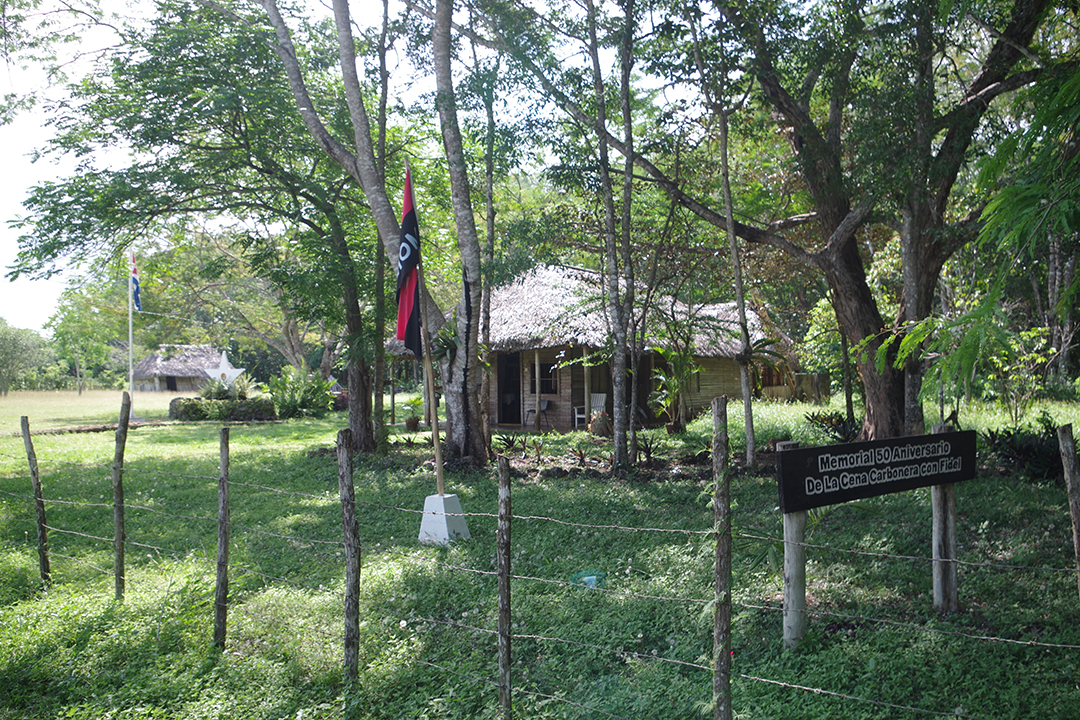
A lesser-known yet deeply moving site is the small community of Soplillar, where Fidel Castro spent his first Christmas following the revolution among local charcoal burners. Here stands the Memorial-Biblioteca Soplillar, which functions not merely as a museum, but as an active public library gifted by Castro to aid in the post-revolution literacy campaign.
Along the roadsides, numerous monuments honour fallen defenders, while an armoured tank mounted on a pedestal welcomes visitors upon entering Playa Larga.
To conclude this segment, we visited two contrasting destinations: the authentic town of Jagüey Grande and Cuba's premier resort destination, Varadero. Playa Larga sits merely two hours from Varadero, with Jagüey Grande situated along the route—a town where international tourists remain a rare sight.
Numerous other towns line this corridor—such as Matanzas, Cárdenas, Unión de Reyes, Jovellanos, and Coliseo—each possessing its own distinct charm. However, as our extended stops were confined to Varadero and Jagüey Grande, we shall reserve the others for future travelogues.
As an advocate for authentic, off-the-beaten-path Cuba, my personal assessment of Varadero might appear somewhat biased, as I often describe it as lacking "true Cuban character". I therefore consulted Artificial Intelligence, which depicts Varadero in the following terms: "Varadero will enchant you as an absolute tropical paradise, boasting over twenty kilometres of pristine, powdery white sand and impossibly turquoise waters. Renowned as one of the world's finest beaches, it offers indulgence in world-class resorts and unforgettable diving among coral reefs—a sun-drenched sanctuary of Caribbean glamour and relaxation."
While this description is undeniably accurate, I maintain that Varadero represents a modern tourist resort rather than the authentic Cuba characterized by horse-drawn carts and bicycles.
In stark contrast to Varadero lies Jagüey Grande, a town of thirty thousand inhabitants where tourists remain a novelty and locals welcome visitors with genuine warmth. Here, one encounters no pushy vendors or artificial tourist enclaves—merely the tranquil rhythm of the Cuban countryside, the fragrance of citrus groves, and authentic human connections.
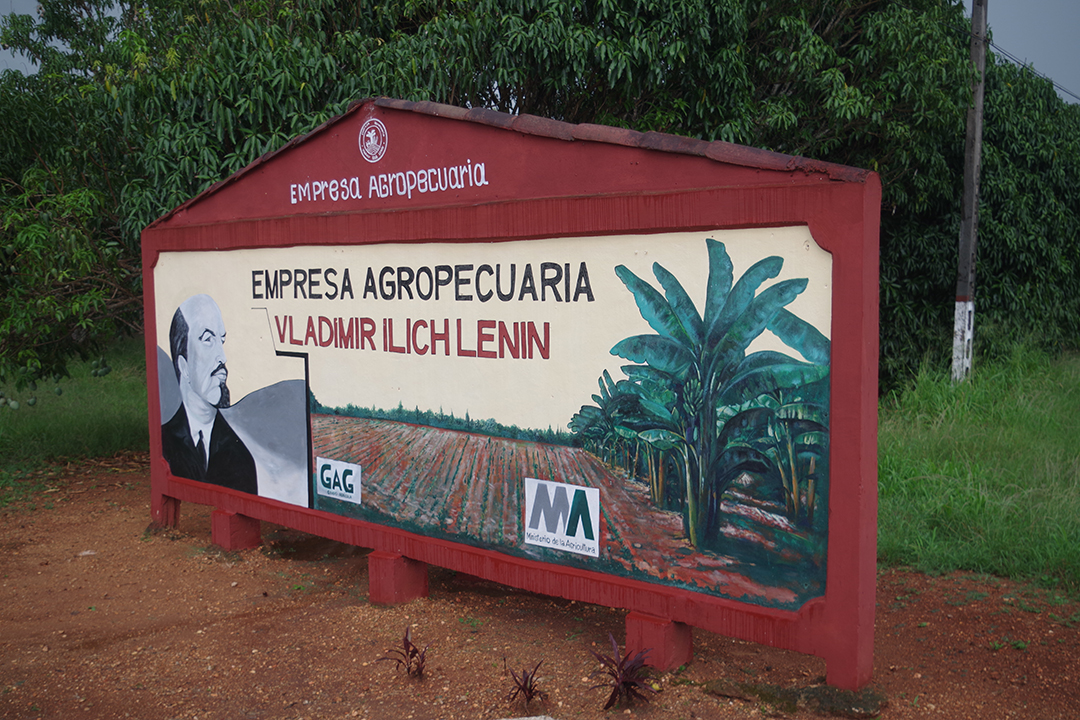
Upon arrival, the tourist bustle of Havana or Varadero instantly fades. The town moves to its own relaxed, everyday tempo. A greeting on the street is never a prelude to a sales pitch, but rather the beginning of an earnest conversation, offering a rare glimpse into authentic Cuban hospitality.
Jagüey Grande developed in the 19th century as a key agricultural centre driven by sugar plantations and the arrival of the railway. In the 20th century, it played a noteworthy role in the Cuban Revolution when the nearby Central Australia sugar mill served as Fidel Castro's headquarters during the 1961 Bay of Pigs invasion. Though sugarcane fields remain, the area is today renowned primarily for its vast citrus plantations, with roadside stalls offering an abundance of fresh local fruit.
I wholeheartedly recommend spending an hour or two in Jagüey Grande, as it lies just minutes off the A1 highway (Havana – Santa Clara)—time enough to enjoy a local meal and stroll beneath the majestic Jagüey tree (Ficus citrifolia), which still stands as the town's namesake.
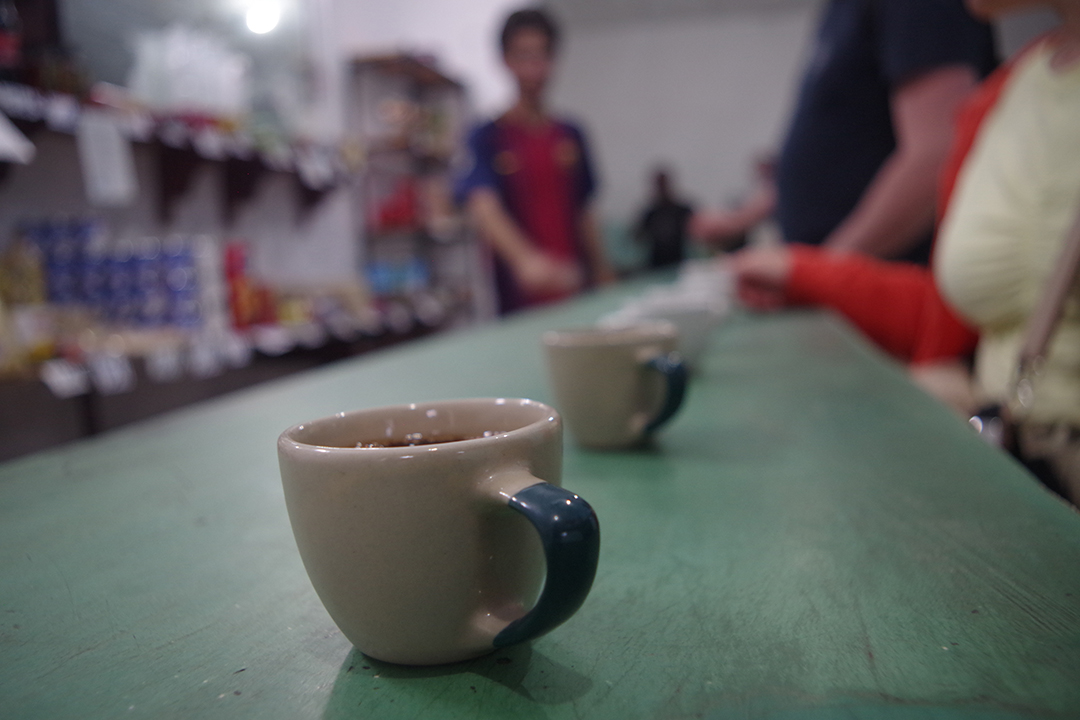
Savouring the memory of authentic Cuban coffee in a local café, I conclude the second part of this travelogue. In the next parts, we shall journey eastward toward Santa Clara and Trinidad, later venturing west to Pinar del Río and Viñales, before concluding our expedition in Havana.

Copyright (©) 2010 - 2026 Youth Hostel | Our Privacy Policy | Cookies | | RPC